

总有一天,流亡会成为“过去的事物”——日本学者评刘燕子新著《不死的流亡者》
Someday, Exile Will Become a Thing of the Past: Review of The Undying Exiles by Liu Yanzi

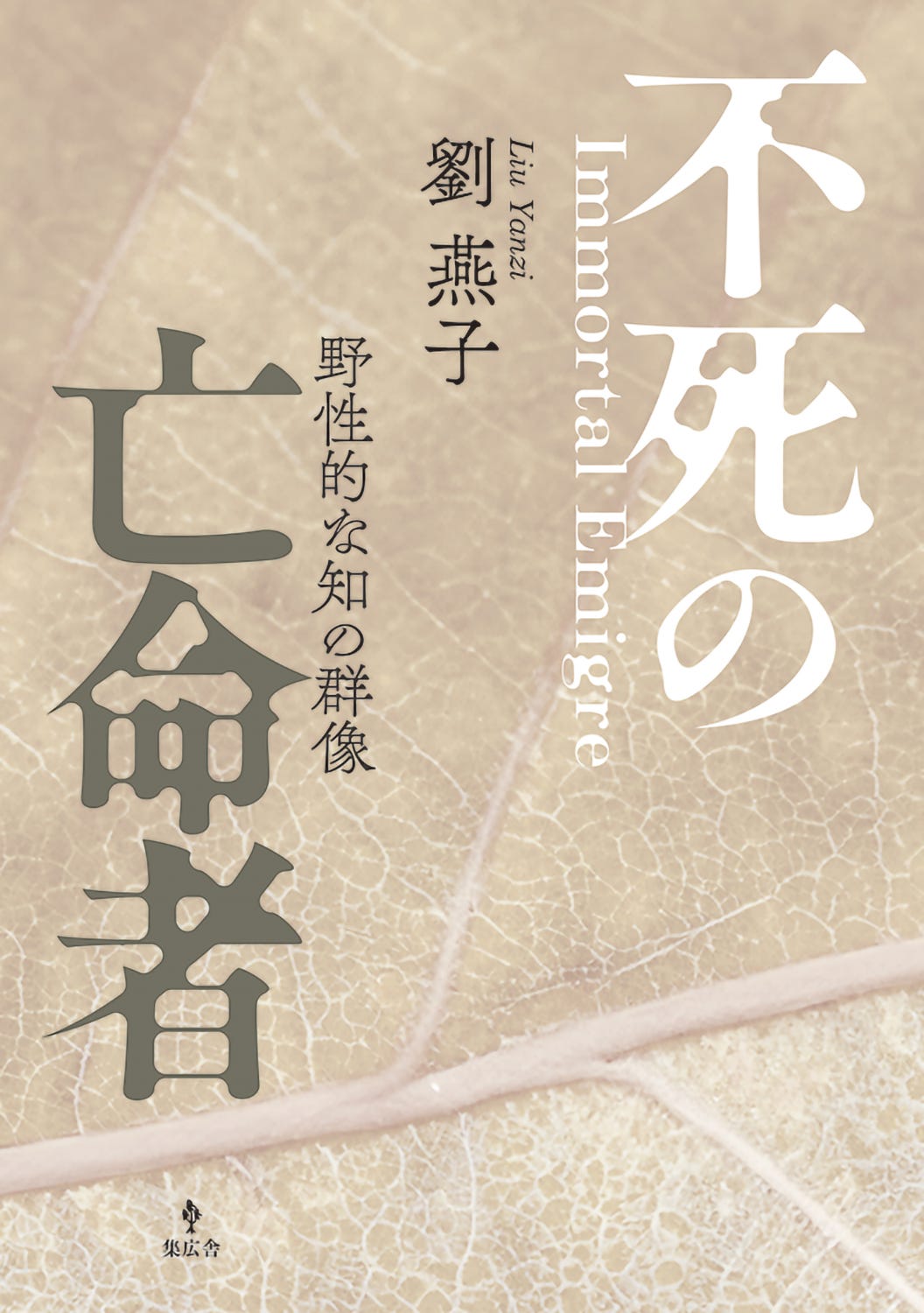
作者:松本ますみ
中文译者:马铃薯
本文原文为日语。
The English translation follows below.
《不死的流亡者——野性的知识人群像》一书,于2024年5月31日在日本出版,是为纪念“六四”天安门事件35周年而推出。
仿佛逆岁月流逝,本书内容之沉重、体量之厚重,都令人震撼。正文710页,附录40页,总计750页,整书重量达1364克。这是一部相当于四卷普通书籍容量、有纪念碑意义的鸿篇巨著。
本书论述了沉重、厚重且充满苦难的当代中国现实,以及流亡海内外的知识分子的处境与思想,力图对他们的实践活动及生存意义给予积极的评价。书中涉及的中国流亡知识分子约有50人。仅仅将这些人物的姓名逐一列出,那么,中华人民共和国的另一部历史便会浮现出来——一部对知识分子的迫害史。
所谓知识分子,是指那些始终对政权保持异议,对社会现实问题持批判性思考、独立研究和反思的一群稀有之人。
那么,中国的知识分子与日本的知识分子之间究竟有何差异?在进入本书介绍之前,笔者先记录一些自身的观察。
1. 中、日知识分子之比较
笔者于1962年进入早稻田大学第一文学部东洋史专业学习,1966年毕业。
2024年5月下旬,恰逢毕业58年后的同学会,笔者以“参与观察”的方式参加了聚会。出生于1941年至1944年之间的这些日本人,如今皆已年逾八旬,但他们几乎没有战争的直接记忆,属于典型的“战后民主主义世代”。
20世纪60年代初,这些十八、九岁的青年在入学之初,几乎无一例外地决定学习以中国史为核心的“东洋史”。在当时中日尚未建交的历史背景下,他们对中国社会主义革命与建设所取得的“伟大成就”充满憧憬,收听北京放送(今中国国际广播电台,CRI),入学后学习简体中文(下称汉语),其中许多人积极投身于学生运动。亦有人在研究生阶段亲赴文革时期的中国访问。
在四年制大学升学率仅约10%的时代,对工业资本主义体制持批判态度,是日本精英大学生中的一种主流倾向。许多人是中国或苏联社会主义的支持者。他们正处未来“知识分子/知识精英”的孕育阶段。
近六十年时光飞逝。大学毕业之后,这一代人虽然仍有少数人继续在工会或华文书店从事社运活动,但多数人进入高中或大学任教,亦有一部分人升任管理职位。他们高举反战旗帜,倡导日中友好,作为自由派的一员承担和平运动的主角,但大多未遭重大挫折,顺利迎来退休,过着平稳安逸的年金生活。
笔者静坐在同学会的一隅侧耳倾听,却几乎未听到任何关于中国的评论——那个曾经承载着他们青春激情的对象。这种沉默,或许可与当前中国对少数民族、宗教与思想的压制,以及“资本主义化”的现实密切相关。幻灭感导致了他们对中国问题的思考停滞。曾几何时,他们的连带对象是中国人民,而如今,“连带”一词本身似乎也已成为死语。
日本战后八十年间,既未经历战争,也未出现内乱、戒严体制或政治犯;除极少数特例,几乎不曾出现流亡者。正是在这样的历史与社会条件之下,他们的人生轨迹趋于平稳安定。
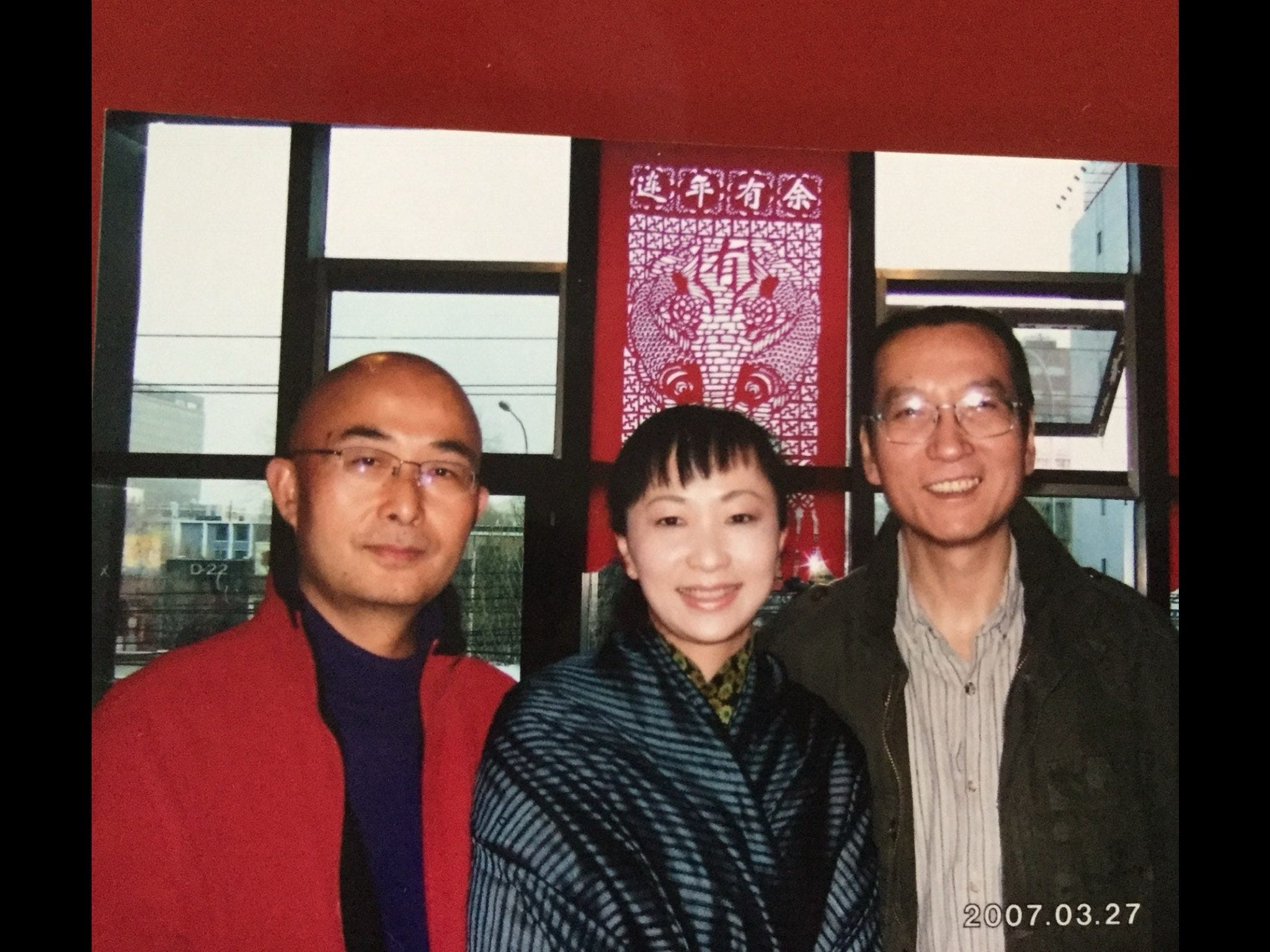
他们与本书所讨论的流亡知识分子,例如高行健(1940年—)、严家祺(1942年—)大致同属一代人,比郑义(1948年—)年长数岁。而笔者本人,则与刘晓波(1955—2017)、廖亦武(1958年—),以及杂志《倾向》主编贝岭(1959年—)属于同代人。
往昔的日本左派知识精英学生,如今大多迎来了平稳无波的晚年;而与此同时,同代人的中国知识分子,却在循环的艰难处境中迈向老年。
面对日中两国知识分子在“两种晚年”之间所呈现出的巨大落差,笔者不禁为之失语。
中国流亡知识分子,被迫流亡异乡,面临深重的身心困境:既要应对居无定所、无根漂泊、生计维艰的生存挑战,又要在边缘化的境地中,承受文化的断裂与身份认同、母语危机的痛苦,更要承受异乡智识价值、历史与记忆被消解、话语权与受众丧失等多重困境。尽管如此,流亡者仍然持续以一个“人”的身份,不屈地流亡,发出真实而不妥协的声音。从本书所描绘的中国流亡者群像中,可以清楚看出,中日两国在历史时间的推移上是何等地不对称。
若借用他们自身的语言来说,日本“インテリ”左派的人生轨迹,毋宁可称为一种“机会主义(オポチュニズム)”,既和平又安稳。正因如此,笔者不禁自我反省自戒:日本(以及日本人)对当代中国的理解与研究,是否一直停留在地表,犹如隔着望远镜观看月亮一般,始终未能触及其真实的深层部分?
这种表层性的根源之一,或在于日本研究者过度依赖文字史料,尤其是官方文字史料,因而在不知不觉中在中国当局的宣传话语攻势前显得相当脆弱。此外,中国的一手史料,特别是档案资料,本身也存在着难以跨越的门槛。
近年来,除了官方史料之外,结合文学与艺术作品、口述史料以及访谈内容来重构历史的研究方法,逐渐得到推广与普及。然而,即便如此,来自中国国内、与中共观点产生龃龉的言说,仍然难以被公开发出。其结果是,在中国社会中承受苦难、挣扎求生的人们的声音,长期以来始终难以被外界充分听见。
本书正是由同时身为诗人与表达者的刘燕子,为了倾听这些被遮蔽、被沉默的声音,历时二十余年倾注心血,持续记录、描绘与分析中国流亡知识分子的半生经历,并最终将其凝结为学术论文。书中所描写的流亡者之中,唯一的例外藏人汉语作家茨仁唯色,作者将其界定为以统治者的语言反抗殖民统治的“国内流亡者”;其余皆属于“海外流亡者”。
作者在世界各地访谈流亡知识分子,不仅面对面地倾听,并透过反复阅读、译介其作品的方式,建立起一种长年持续往返的多层面关系。这种深入而长期的研究实践,唯有作为同时代者、同行者、研究者,且本身亦是流亡者的刘燕子,凭借其人格特质与敏锐的问题意识,赢得受访者的信任,方能得以实现。
作者所记录的中国流亡知识分子之言说,与世界史轴上流亡者的声音彼此呼应。他们包括来自纳粹德国、前苏联与东欧诸国,以及巴勒斯坦的流亡者,皆是过去现代史事件中被迫流亡者。他们曾被排斥在民族历史记忆与主流声音之外。从这个意义上说,本书不仅是一部中国流亡者的证言集,同时也是一部卓越的理论性学术著作,深入探讨了“何谓近现代”、“何谓暴政”、“何谓权力”、“何谓自由”、“何谓人权”以及“何谓人”等根本性问题。
2. 中国流亡者的生命史,及其世界性的意义
本书包括序章与终章,共为九章。前半部分由序章至第三章构成,集中展开理论性分析框架的建构与论证;后半部分对中国流亡者进行“列传”式书写,可视为一种“生命史(life history)”的叙述形式。
序章阐明了本书的问题意识所在,以及探讨“流亡”议题本身所具有的意义。在威权主义体制之下,对现存体制提出异议的知识分子在中国无法被容纳,其可选择的道路仅剩“海外流亡”或“国内流亡”(包括隐喻性的流亡)两种。然而,作者指出,正是这些流亡者,成为中国文化与思想精髓的保存者,并滋养其根脉。回顾中国历史,作为流亡者的文人之所以能留下照亮后世中国人的作品,正因他们为捍卫人的尊严而不懈奋斗。从这一意义上说,当代的流亡者,亦可被视为中国文明所孕育之历代知识分子不屈精神的继承者。
在本书中,作者不仅对流亡知识分子的存在给予积极评价,亦致力于阐明其存在的历史与思想意义。书中除运用文字史料之外,大量采用口述历史(oral history)的研究方法。通过多重证言彼此交织、共鸣与沉淀(多声性,polyphony),一种属于时代的“集体记忆”得以被建构出来。
第一章聚焦于爱德华·萨义德(Edward Said)的“业余者”、瓦茨拉夫·哈维尔(Václav Havel)所追求的“真实而磊落的生活”,以及作为异议者与公共知识分子的汉娜·阿伦特(Hannah Arendt)。这三位思想家皆曾在极权之下被迫进行内部或外部流亡,却仍持续展开深刻的思想探索。作者通过他们与中国流亡知识分子的比较,指出其中的共通性,进而探讨“流亡”所具有的普遍意义——亦即,新的视角往往正是从“边缘性”中滋生并孕育出来的。
第二章中,作者尝试对流亡知识分子的类型进行理论化。流亡者通过对故乡与现居地之现实加以比较,使自身的视角呈现多层化,并得以重新审视与相对化既有的位置关系,甚至加以反转。然而,因追求“真实而磊落的生活”而被中国排除于体制之外的知识分子,即便在享有言论自由的流亡之地,仍不可避免地遭遇多重困境,包括失去故乡、生计维艰的生存挑战、语言的沟壑,以及无根状态下的母语危机与乡愁,承受文化的断裂与身份认同的再确认。在异乡重建知识价值、丧失直接读者与现实关联;被无名化与污名化、成为“他者”与“他乡人”;以及在抗拒历史记忆被消解或重写的背景下,坚持批判立场、保持精神上的不驯与独立等。
对此,作者援引哈维尔所言的“真实的生活(living in truth)”,以及萨义德提出的“书写即是生存之地(writing as a place to live)”,指出流亡知识分子即便在精神上遭受撕裂,仍试图通过书写与思考,使自身文化得以复苏与延续。
第三章则系统性地整理了中国知识分子被迫流亡的社会历史背景,特别是“六四”天安门事件之后的世界局势,包括接纳流亡者的西方国家与地区的立场、接受甚至拒绝流亡者的态度,以及支撑流亡知识分子言论与创作活动的各类救援与支援组织。如果没有有识者以及广大无名者的无私援助,中国政府所界定的政治犯不可能成功地逃到海外,更遑论在流亡地安顿下来并重新展开创作与研究活动。
从这一层意义而言,流亡之所以成为可能,乃是仰赖于重视普遍价值的国家与地区之政策,以及理解并珍视自由价值的支援者所提供的有形与无形之力量。其中,美国的“普林斯顿中国学社”尤为关键,成为流亡知识分子学术活动的重要中心。
此外,本章亦聚焦作为民主化运动言论中枢的民间杂志群,即所谓的“民刊”,特别是从中国地下走向海外的《北京之春》与《倾向》的创刊、停刊,及其后在海外的重生历程。参与其中的知识分子,多数最终被迫走上流亡之路。第二次复刊的《北京之春》以及《倾向》,皆是在海外出版,并逐步成为能够包容中国内外不同知识人思想、确保多元性的公共媒体平台。
尤其值得注意的是,在《倾向》杂志中,曾系统性地介绍瓦茨拉夫·哈维尔的作品。哈维尔其后成为捷克斯洛伐克总统,而其《无权者的权力》之汉语译本,自“六四”事件之后,曾以手抄本的形式在中国知识分子之间秘密传阅。哈维尔所提出的“活在真实中”这一理念,对中国流亡知识分子产生了深远影响。
此外,哈维尔所倡导的《七七宪章》,亦对以刘晓波为代表的一批中国知识分子起草《零八宪章》产生了重大影响。
本书第四、五章,从中国流亡知识分子的类型化出发,结合其个人生命史,并将之置于社会变动的大历史脉络之中加以考察。本章所讨论的对象包括:天体物理学家方励之;试图在体制内推动改革的人文社会科学者严家祺;作为党员与体制内作家起步,最终以异议者身份流亡美国并客死他乡的刘宾雁,以及他们所留下的精神与思考。还有流亡法国,历经多重困难最后精神失序,回国后孤独辞世的后朦胧诗派诗人老木。透过这些生命轨迹的描写,作者呈现了流亡知识分子与中国社会之间错综复杂的张力关系。
第五章聚焦于以中国为题材,却触及人类普遍价值的作家与诗人,包括郑义、高行健、杨炼与哈金。流亡巴黎的高行健是2000年诺贝尔文学奖得主。高行健提出所谓的“没有主义”,即拒绝依附任何“主义”。旅居德国的诗人杨炼则“追寻作为流亡原型的诗”。杨炼明确指出:“流亡者并非一般意义上的移民。”在他看来,流亡者是拒绝精神之死、并具备超越现实困境之能力的存在。杨炼将“流亡”视为诗人的宿命,并将自身诗作安置于中国历代诗人之精神谱系之中。
此外,以英语写作的哈金认为,“最高的背叛是选择另一种语言写作”,因为国家背叛了个人,大多数国家已经习惯性地成为其公民的叛徒;国家犯下的最大罪行,是不允许其作家用诚实和艺术准则来写作,因此选择以另一种语言创作,便成为对不容许自由表达之国家的“最高形式的背叛”。
本章所讨论的诸位表达者,皆透过扩展母语的外延,丰富表达内容,并在作为生而为“人”的根基持续生长的过程中,创造出具有普遍性、并能跨越疆界的文学形式。
第六章聚焦于多次被阻止出境、2011年流亡德国的廖亦武。廖亦武长期致力于书写社会“底层”人群,以及蒙受“冤罪”者的口述历史。他所记录的叙述,充满了对荒谬社会现实的悲叹、痛苦、愤怒、怨怼、绝望、认命、悔恨,乃至幽默。这些话语,乃是从未登上社会舞台、被遗忘并遭到抛弃之人们的真实心声,同时也是未曾被记录下来的历史。
第七章则讨论以汉语写作的“国内流亡”藏人作家茨仁唯色。本书前几章论述的中国流亡知识分子,皆为汉人,且以汉语为母语;然而,茨仁唯色的母语虽为藏语,但她接受的学校教育皆为汉语,只能以汉语进行表达。正因如此,她将统治者所使用的汉语,转化为一种“非暴力不服从的武器”。以汉语揭示西藏的现实真相、被掩盖的历史与记忆、民族信仰,解构官方话语叙事,刻画藏人真实的恐惧与生存境况、焦虑与身份的执着。
3. 一部理解当代中国体制“究竟为何”的指南之作
以下,笔者将列举本书在同类著作之中,具有压倒性优势的几个关键特征。
第一,在于作者成功地将“流亡”这一概念加以普世化,并同时使中国流亡知识分子的思想与实践呈现出多层次的立体结构。
在日本,对萨义德与阿伦特的研究与介绍并不罕见:前者多半是为了理解巴勒斯坦问题或“东方主义”,后者则是藉由认识纳粹主义,探讨人类在极限状态下的韧性,以及“不思考而行动”所导致的“平庸之恶”。
然而,在一个长期安稳无事的日本社会中,那些在流亡之地所孕育出的思想,是否真正被消化与内化,实在令人怀疑。由于日本的研究者与翻译者并非流亡的当事者,其研究往往止步于分析层次,或仅停留在著作的“介绍”与读者的“教养”之上,流亡知识分子的言说真正对日本社会产生实质影响的例子并不多见。
更遑论在此基础之上,进一步将当代中国的流亡知识分子思想加以连结与对话的构想,几乎未曾出现在日本的研究视野之中。
第二,本书在俯瞰中国民主化运动的过程中,系统性地涵盖了关键性的历史事实与重要人物,使读者得以深入理解其来龙去脉,以及政府介入与压制的具体样态。自二十世纪七十年代末中国民主化运动兴起以来,其间经历了持续不断的镇压,并爆发天安门事件与西藏相关事件,直至延续至今日。
然而,凡是以镇压与暴政为起点的历史进程,亦必然蕴含着终结的可能。对民主与自由的追求,不仅存在于真正的知识分子之中,也如泉水般潜藏于一般市民的意识深层,随时可能间歇性涌现而出。正因如此,本书所揭示的历史与思想,不仅是分析中国现状的重要资源,也构成了期盼中国民主化的公民——无论是作为地球公民,抑或作为中国人的——共同希望之所在。
第三,本书采取高度互动性的研究方法,作者几乎与所有流亡当事者进行了深入的对话,并试图从中揭示其思想的核心。作者奔走世界各地,与历史的亲历者进行多轮访谈,其真挚而持续的研究姿态,正体现了她作为同时代证言者、记录者,与流亡知识分子站在同一地平线上,并试图以连带的方式共同建构一个更为理想社会的明确意志。与此同时,作者本人亦身处于一种特殊意义上的“流亡”状态之中——在日本这一异文化环境下,其文学表达与经济生活皆面临严峻挑战;而正因其长期聚焦于流亡知识分子这一“敏感”主题,作者亦不得不承受来自当局的压力。
从这一意义而言,作者本身正是流亡知识分子的同志。这样一项横跨学术、文学与生命实践的成就,唯有同时身为作家与诗人的作者,方能完成。
第四,本书同时也构成了一部对流亡知识分子之作品与人格风貌的极为出色的导读。笔者正是受到本书中对流亡知识分子作品介绍的强烈启发,一度中断了对本书的阅读,转而深入阅读刘晓波、郑义、廖亦武以及茨仁唯色等人的作品。这种来回往返、层层深化的阅读过程,构成了极为罕见而浓烈的阅读体验。
第五,本书同时也是对不断产生流亡者的中华人民共和国之国家体制所提出的严厉批判。从被边缘化的人群、思想、地域与族群的视角出发,往往更能洞察事物的本质——中国的状况正是如此。透过流亡知识分子的言说,以及作者的分析,本书有效地动摇并重新定位了读者对中国所抱持的各种主观的想象与期待,并使之作为另一面对照的镜子而显现其真相。
正因如此,本书亦构成了对那种将中国人一概断言为“早已被驯服于历代中华思想与威权体制因而不可能改变”的简化暴论之有力反驳。透过对流亡知识分子思想与实践的细致考察,作者清楚揭示了中国社会内部所潜藏的多样性与变革动能。
也正是在这一意义上,本书成为理解当代中国体制之本质“究竟为何”的最佳入门与指南之作。
4. 总有一天,流亡将成为“过去的事物”
在完成本书书评的最后阶段,笔者接到一位无名的回族女性知识人暨表演者的来讯。她自中国移居马来西亚已二十五年,如今又决意再次迁往澳洲。她说,原以为能安身立命的马来西亚,已不再是安全之地。她在给我的讯息中问道:“我们这些被剥夺自我表达方式、在历史上屡遭迫害、被迫流亡的人们的心情,您,真的能理解吗?”
面对这样的提问,笔者一时语塞。出生并成长于民主国家日本的评者,所能回应的,仅是“我正努力去理解”。对于遭受压迫的他者,唯有不断发挥想象力,与他们深层共感,并通过分享痛苦来建立强韧的道义纽带,持续向日本社会提出问题,或许才是唯一能做之事,共同面对现实困境的一种承诺。
说到这里,我无法忘记一位六十多岁知识分子在2024年6月访问波兰时的体验。
“年轻一代即使在知识与教养的层面上得知曾经社会主义时代的存在,却并不了解那究竟是一种怎样的现实。思想僵化、互相告密、秘密警察、生活窒息感以及自由的匮乏。如今,要将这些真实的体验传达给年轻人,是一件极其困难的事。”
正如苏联解体所揭示的那样,笔者透过本书所传达的中国流亡者的一字一句,深信,总有一天,流亡也必然会成为“过去的事物”。而正是在那样的时刻,本书将成为告诫后人不可忘记威权独裁体制之恐怖、不可让其再次降临的重要见证。
顺带一提,本书最大的问题点在于其物理上的厚度与重量。出版此书的果断决定值得高度评价,然而书籍终究应被更多人阅读与传播——再版应考虑如何缩减物理的厚重程度,以吸引更多读者。
第二,由于本书将焦点主要放在著名知识人身上,相对而言,那些虽然无名、却背负着沉重人生而被迫流亡海外的人们,反而变得不可见。在威权体制之下,人们并非只有因为拿起笔、进行书写而遭受迫害。非汉族的各族群亦然,宗教信仰者亦然。
另外,茨仁唯色虽为藏族,但除此之外,还有维吾尔人、蒙古人、回民(回族)、基督徒、藏传佛教徒、法轮功修炼者等,数量之多,难以一一列举;他们或被迫流亡海外,或陷入国内流亡的处境。笔者原本亦期待,能够对他们/她们的乡愁之情、对出生故土与自身文化的深切眷恋、文化保存的实践,以及其中所伴随的痛苦,给予更多关注。然而,这或许正是应当交接力棒给后续研究者去承担的课题。
作者松本ますみ(Masumi Matsumoto),为大阪大学人文学研究科招聘研究员,中国近现代伊斯兰问题研究者。
本文原作为日语,刊于2026年元月出版的日本《现代中国研究》杂志第55期,原题为:“一里塚”的纪念碑式的研究——评刘燕子著《不死的流亡者——野性的知识人群像》。因篇幅原因,民间档案馆刊发时有部分删减。
【本文为中国民间档案馆首发,转载时请务必在正文之前注明“本文首发于中国民间档案馆”,并加上原文在中国民间档案馆网站或者中国民间档案馆Substack的链接。】
【作者观点不代表中国民间档案馆立场。】
Someday, Exile Will Become a Thing of the Past: Review of The Undying Exiles by Liu Yanzi
Author: Masumi Matsumoto
Liu Yanzi’s book, The Undying Exiles: Portraits of Unbridled Intellectuals, was published in Japan on May 31, 2024, to commemorate the 35th anniversary of June Fourth.
As if pushing back against the passage of time, both the profound weight of the content and the physical scale of this volume are staggering. With 710 pages of main text and a 40-page appendix, the book weighs nearly 1.4 kilograms. It is a monumental work, possessing a volume equivalent to four ordinary books.
The book explores the heavy reality of contemporary China, alongside the circumstances and philosophies of intellectuals in exile both at home and abroad, striving to offer a positive and constructive evaluation of their activism and the meaning of their lives. Approximately 50 exiled Chinese intellectuals are featured in the work. Simply listing their names makes an alternative history of the People’s Republic of China emerge—a history defined by the systematic persecution of the intelligentsia.
By “intellectuals,” I mean those rare individuals who maintain their dissent against the regime and persist in critical thinking, independent research, and reflection regarding social realities.
The Undying Exiles is the result of Liu Yanzi—who is both a poet and a writer—devoted herself for over twenty years to listening to these silenced voices. She has continuously recorded, described, and analyzed the lives of exiled Chinese intellectuals, condensing them into academic papers. Among the exiles described in the book, the only exception is the Tibetan writer Tsering Woeser, whom the author defines as an “internal exile” resisting colonial rule with the language of the ruler; the rest belong to the category of “overseas exiles.”
The author interviewed exiled Chinese intellectuals all over the world, not only listening face-to-face but also establishing a long-term, continuous relationship by repeatedly reading, translating, and introducing their works. This could only be realized by Liu Yanzi—as a contemporary, a fellow traveler, a researcher, and an exile herself—relying on her personality and sharp problem awareness to win the trust of the interviewees.
The words of exiled Chinese intellectuals recorded by Liu resonate with the voices of exiles throughout world history. They include exiles from Nazi Germany, the former Soviet Union, Eastern European countries, and Palestine—all people forced into exile by modern history. They were once excluded from national historical memory and mainstream discourse. In this sense, this book is not only a collection of testimonies from Chinese exiles but also an outstanding theoretical academic work that deeply explores fundamental questions such as “what is the modern era,” “what is tyranny,” “what is power,” “what is freedom,” “what are human rights,” and “what is a human being.”
The Life History of Chinese Exiles and Its Global Significance
The book consists of nine chapters, including an introduction and a conclusion. The first half, from the introduction to Chapter 3, focuses on constructing and demonstrating a theoretical analytical framework; the second half documents Chinese exiles in a biographical style, which can be viewed as a form of life history narrative.
The introduction clarifies the book’s central inquiry and the significance of exploring the issue of “exile” itself. Under an authoritarian system, intellectuals who dissent from the existing regime cannot be accommodated in China, leaving only two paths: “overseas exile” or “internal exile” (including metaphorical exile).
However, the author points out that it is precisely these exiles who become the preservers of the essence of Chinese culture and thought, nourishing its roots. Looking back at Chinese history, the reason why literati as exiles could leave behind works that illuminate subsequent generations is precisely because they fought unceasingly to defend human dignity. In this sense, contemporary exiles can also be seen as the inheritors of the unyielding spirit of intellectuals throughout China’s history.
In this book, the author not only offers a positive evaluation of the existence of exiled intellectuals but also strives to clarify the historical and philosophical significance of their lives. In addition to using written records, the book extensively employs oral history. Through the interweaving and resonance of multiple testimonies , a collective memory belonging to the era is constructed.
Chapter 1 focuses on Edward Said’s “amateur,” Václav Havel’s pursuit of “living in truth,” and Hannah Arendt as a dissenter and public intellectual. These three thinkers were all forced into internal or external exile under totalitarianism, yet they continued to develop profound intellectual explorations. By comparing them with exiled Chinese intellectuals, the author points out their commonalities, thereby exploring the universal significance of “exile”—the idea that new perspectives often sprout from marginality.
In Chapter 2, the author attempts to theorize the types of exiled intellectuals. By comparing the realities of their homeland and their current place of residence, exiles multilayer their own perspectives, allowing them to re-examine and relativize existing positional relationships or even reverse them. However, intellectuals excluded from the system in China for pursuing a truthful life still inevitably encounter multiple dilemmas even in places of exile that enjoy freedom of speech. These include the loss of homeland, survival challenges of difficult livelihoods, the chasm of language, and the mother-tongue crisis and nostalgia under rootlessness, while enduring cultural rupture and the re-confirmation of identity. They face the challenges of rebuilding intellectual values in a foreign land, the loss of direct readers and realistic relevance; becoming anonymous and stigmatized as “the other” and “the stranger”; and, against the background of resisting the dissolution or rewriting of historical memory, maintaining a critical stance and spiritual defiance and independence.
In response, the author cites Havel’s “living in truth” and Said’s “writing as a place to live,” pointing out that even if exiled intellectuals are spiritually torn, they still attempt to revive and continue their culture through writing and thinking.
Chapter 3 systematically organizes the socio-historical background of why Chinese intellectuals were forced into exile, especially the global situation after the 1989 Tiananmen crackdown. This includes the positions of Western countries and regions that accepted exiles, the attitudes of accepting or even rejecting exiles, and the various rescue and support organizations that sustained the speech and creative activities of exiled intellectuals. Without the selfless assistance of knowledgeable individuals and the vast number of anonymous people, Chinese political prisoners could not have successfully escaped overseas, let alone settled in exile and restarted their creative and research activities.
In this sense, the possibility of exile relies on the policies of countries and regions that value universal values, as well as the tangible and intangible strength provided by supporters who understand and cherish the value of freedom. Among these, the “Princeton China Initiative” in the United States was particularly crucial, becoming an important center for the academic activities of exiled intellectuals.
Additionally, this chapter focuses on the group of civil magazines acting as the hub of speech for the democratization movement, the so-called “unofficial journals,” especially the founding, suspension, and subsequent overseas rebirth of Beijing Spring and Tendency, which moved from the Chinese underground to overseas. Most of the intellectuals involved were eventually forced onto the path of exile. Both the second revival of Beijing Spring and Tendency were published overseas, gradually becoming public media platforms capable of accommodating the thoughts of different intellectuals inside and outside China and ensuring diversity.
It is particularly noteworthy that Tendency magazine systematically introduced the works of Václav Havel. Havel later became the president of Czechoslovakia, and the Chinese translation of his The Power of the Powerless had been secretly circulating among Chinese intellectuals in the form of hand-copied manuscripts since June Fourth. The concept of “living in truth” proposed by Havel had a profound impact on exiled Chinese intellectuals.
Furthermore, the Charter 77 advocated by Havel also significantly influenced a group of Chinese intellectuals, represented by Liu Xiaobo, in drafting Charter 08.
Chapters 4 and 5 of the book start from the categorization of exiled Chinese intellectuals, combining their personal life histories and placing them within the macro-historical context of social change for investigation. The subjects discussed in these chapters include: astrophysicist Fang Lizhi; humanities and social science scholar Yan Jiaqi, who tried to promote reform within the system; Liu Binyan, who started as a party member and system writer but eventually went into exile in the United States and died in a foreign land as a dissenter, and the spirit and thinking they left behind. There is also the Post-Misty poet Lao Mu, who went into exile in France, experienced multiple hardships, eventually suffered from mental disorder, and died in solitude after returning to China. Through the description of these life trajectories, the author presents the complex and tangled tension between exiled intellectuals and Chinese society.
Chapter 5 focuses on writers and poets who take China as their theme but touch upon universal human values, including Zheng Yi, Gao Xingjian, Yang Lian, and Ha Jin. Gao Xingjian, who went into exile in Paris, was the winner of the 2000 Nobel Prize in Literature. Gao Xingjian proposed the so-called “No-ism,” which is the refusal to depend on any “-ism.” The poet Yang Lian, who lives in Germany, “seeks poetry as the prototype of exile.” Yang Lian explicitly points out: “Exiles are not immigrants in the general sense.” In his view, an exile is an existence that refuses spiritual death and possesses the ability to transcend realistic dilemmas. Yang Lian regards “exile” as the poet’s destiny and places his own poetry within the spiritual genealogy of Chinese poets throughout the ages.
Furthermore, Ha Jin, who writes in English, believes that “the highest betrayal is choosing to write in another language,” because the state has betrayed the individual, and most states have habitually become traitors to their citizens; the greatest crime committed by the state is not allowing its writers to write with honesty and artistic standards, so choosing to create in another language becomes the “highest form of betrayal” against a state that does not allow free expression.
The various articulators discussed in this chapter all enrich the content of expression by expanding the extension of their mother tongue, and in the process of continuous growth as human beings, they create literary forms that are universal and can cross borders.
Chapter 6 focuses on Liao Yiwu, who was prevented from leaving the country multiple times and went into exile in Germany in 2011. Liao Yiwu has long been committed to writing the oral history of people at the bottom of society and those who have suffered from unjust charges. The narratives he records are full of sighs, pain, anger, resentment, despair, resignation, regret, and even humor toward the absurd social reality. These words are the true voices of people who have never stepped onto the social stage, were forgotten, and were abandoned, and they are also the history that has never been recorded.
Chapter 7 discusses the Tibetan writer Tsering Woeser, an “internal exile” who writes in Chinese. The exiled Chinese intellectuals discussed in the previous chapters are all Han people and take Chinese as their mother tongue; however, although Tsering Woeser’s mother tongue is Tibetan, the school education she received was all in Chinese, and she can only express herself in Chinese. Precisely because of this, she transforms the Chinese used by the rulers into a “weapon of non-violent non-cooperation.” Using Chinese to reveal Tibet’s current situation, obscured history and memory, and ethnic beliefs, she deconstructs the official discourse and portrays the true fear, living conditions, anxiety, and obsession with the Tibetan identity.
A Guidebook for Understanding What Exactly the Contemporary Chinese System Is
Below, I will list several key features of this book that give it an overwhelming advantage among similar works.
First, Liu succeeds in universalizing the concept of “exile” while making the thoughts and practices of exiled Chinese intellectuals feel multi-layered and three-dimensional.
In Japan, research and introductions to Said and Arendt are not rare: the former is mostly studied to understand the Palestine issue or “Orientalism,” while the latter is used to explore human resilience in extreme states and the “banality of evil” through an understanding of Nazism.
However, in a long-stable and peaceful Japanese society, it is truly doubtful whether those thoughts bred in places of exile have been truly digested and internalized. Since Japanese researchers and translators are not the parties involved in exile, their research often stops at the level of analysis, or remains merely an introduction for the reader’s general knowledge; examples of the speech of exiled intellectuals truly having a substantial impact on Japanese society are rare.
Let alone the idea of further connecting and dialoguing with the thoughts of contemporary exiled Chinese intellectuals on this basis, which has almost never appeared in the Japanese research field of vision.
Second, in surveying the Chinese democratization movement, The Undying Exiles systematically covers crucial historical facts and important figures, allowing readers to understand the context and the specific patterns of government intervention and suppression.
However, any historical process that starts from suppression and tyranny also necessarily contains the possibility of an end. The pursuit of democracy and freedom not only exists among true intellectuals but also lies latent in the deep consciousness of ordinary citizens like spring water, which may gush out intermittently at any time. Precisely because of this, the history and thoughts revealed in this book are not only important resources for analyzing the current situation in China but also constitute the common hope of citizens who look forward to China’s democratization—whether as global citizens or as Chinese.
Third, the book adopts a highly interactive research method; the author conducted intimate and in-depth dialogues with almost all the involved exiles and attempted to reveal the core of their thoughts from within. Liu traveled around the world, conducting multiple rounds of interviews with those who lived through history. At the same time, the author herself is in a state of “exile” in a special sense—under the cross-cultural environment of Japan, both her literary expression and economic life face severe challenges; and precisely because she has long focused on the sensitive theme of exiled intellectuals, the author also has to bear pressure from the authorities.
In this sense, the author herself is a comrade of exiled intellectuals. Such a huge achievement spanning academia, literature, and life practice could only be completed by an author who is simultaneously a writer and a poet.
Fourth, the book also constitutes an extremely excellent guide to the works and personal styles of exiled intellectuals. It was precisely because I was strongly inspired by the introduction of the exiled intellectuals’ works in this book that I once interrupted my reading of it to turn to a deep reading of the works of Liu Xiaobo, Zheng Yi, Liao Yiwu, and Tsering Woeser. This back-and-forth, layer-by-layer deepening reading process constituted an extremely rare and intense reading experience.
Fifth, the book is also a severe criticism of the state system of the People’s Republic of China, which continuously produces exiles. From the perspectives of marginalized groups, thoughts, regions, and ethnic groups, it is often easier to discern the essence of things—the situation in China is exactly like this. Through the speech of exiled intellectuals and the author’s analysis, the book effectively shakes and repositions the various subjective imaginations and expectations that readers hold toward China, making it appear as another mirror of comparison revealing its truth.
Because of this, the book also constitutes a powerful refutation of that simplistic argument that categorically asserts Chinese people as “already tamed by successive generations of Sinocentric thought and authoritarian systems, and thus impossible to change.” Through careful examination of the thoughts and practices of exiled intellectuals, the author clearly reveals the diversity and transformative momentum hidden within Chinese society.
It is also in this sense that the book becomes the best introduction and guide for understanding the nature of what exactly the contemporary Chinese system is.
Someday, Exile Will Become a Thing of the Past
In the final stage of completing this book review, I received a message from an anonymous female Hui intellectual and performer. She moved from China to Malaysia 25 years ago and has now decided to move again to Australia. She said that Malaysia, which she thought would be a place where she could settle down, is no longer a safe place. In her message to me, she asked: “Can you truly understand the feelings of those of us who have been deprived of our self-expression, persecuted many times in history, and forced into exile?”
Faced with such a question, I was momentarily at a loss for words. As a reviewer born and raised in a democratic country, all I could respond with was “I am trying hard to understand.” For the oppressed “other,” only by continuously exercising imagination, deeply empathizing with them, and building strong moral ties through sharing pain, while continuing to raise questions to Japanese society, can we perhaps do the only thing possible—a commitment to jointly face realistic dilemmas.
Speaking of this, I cannot forget the experience of a sixty-something intellectual visiting Poland in June 2024.
“Even if the younger generation knows of the existence of the former socialist era on the level of knowledge and education, they do not understand what kind of reality that actually was. Thought rigidity, mutual informing, secret police, the suffocation of life, and the lack of freedom. Today, it is an extremely difficult task to convey these real experiences to young people.”
Just as the collapse of the Soviet Union revealed, through every word and sentence of the Chinese exiles conveyed in this book, I am deeply convinced that someday, exile will inevitably become a thing of the past. And it is precisely at such a moment that this book will serve as an important testimony, warning future generations never to forget the horror of authoritarian dictatorial systems and never to allow them to descend again.
Incidentally, the biggest problem with this book lies in its physical thickness and weight. The decisive decision to publish this book deserves high praise; however, books should after all be read and disseminated by more people—a reprint should consider how to reduce the physical bulk to attract more readers.
Second, because this book focuses mainly on famous intellectuals, relatively speaking, those people who are anonymous yet carry heavy lives and are forced into exile overseas have become invisible. Under an authoritarian system, people are not only persecuted because they pick up a pen and write. The same goes for the various non-Han ethnic groups and religious believers.
In addition, although Tsering Woeser is Tibetan, besides this, there are Uyghurs, Mongolians, Hui Muslims, Christians, Tibetan Buddhists, Falun Gong practitioners, etc., the number of whom is so large that it is difficult to list them one by one; they are either forced into exile overseas or fall into the situation of internal exile. I had originally also expected that more attention could be given to their feelings of nostalgia, their deep attachment to their birthplaces and own cultures, the practice of cultural preservation, and the pain that accompanies it. However, this may be precisely the task that should be handed over to subsequent researchers to undertake.
This article was originally written in Japanese and appeared in the 55th issue of the Japanese journal Contemporary Chinese Studies, published in January 2026. This is a truncated version of the original.
Matsumoto Masumi is a visiting researcher at the Graduate School of Humanities, Osaka University, and a researcher of modern and contemporary Islamic issues in China.
[This article first appeared in China Unofficial Archives. When reposting, please ensure that the following is included at the beginning of the reposted text: “This article was first published by the China Unofficial Archives,” accompanied by a link to the original article on the China Unofficial Archives website or Substack.]
[The views expressed by the author of this article do not necessarily reflect the position of the China Unofficial Archives.]
Thank you Matsumoto for caring for Humanity beyond borders.
Every truly responsibly free person is in exile since all nations/governments from totalitarian China to so-called democratic U.S. are immoral, murder machines--see Trump's enabling the Gaza Genocide and now the slaughter of Iranian civilians.
Exile will become a thing of the past like slavery did when enough people refuse to grant moral legitimacy to governments.
“All the problems of persons who fear for their humanity come down to the same question: how to remain free?” Stefan Zweig