

青藏高原的草木星辰不会忘记,愿你的来世自由如牦牛——纪念李江琳辞世一周年
Remembering Li Jianglin: Documenting the History of Tibetan Suffering and Resistance

作者:段荆棘
By Ginger Duan
The English translation follows below.
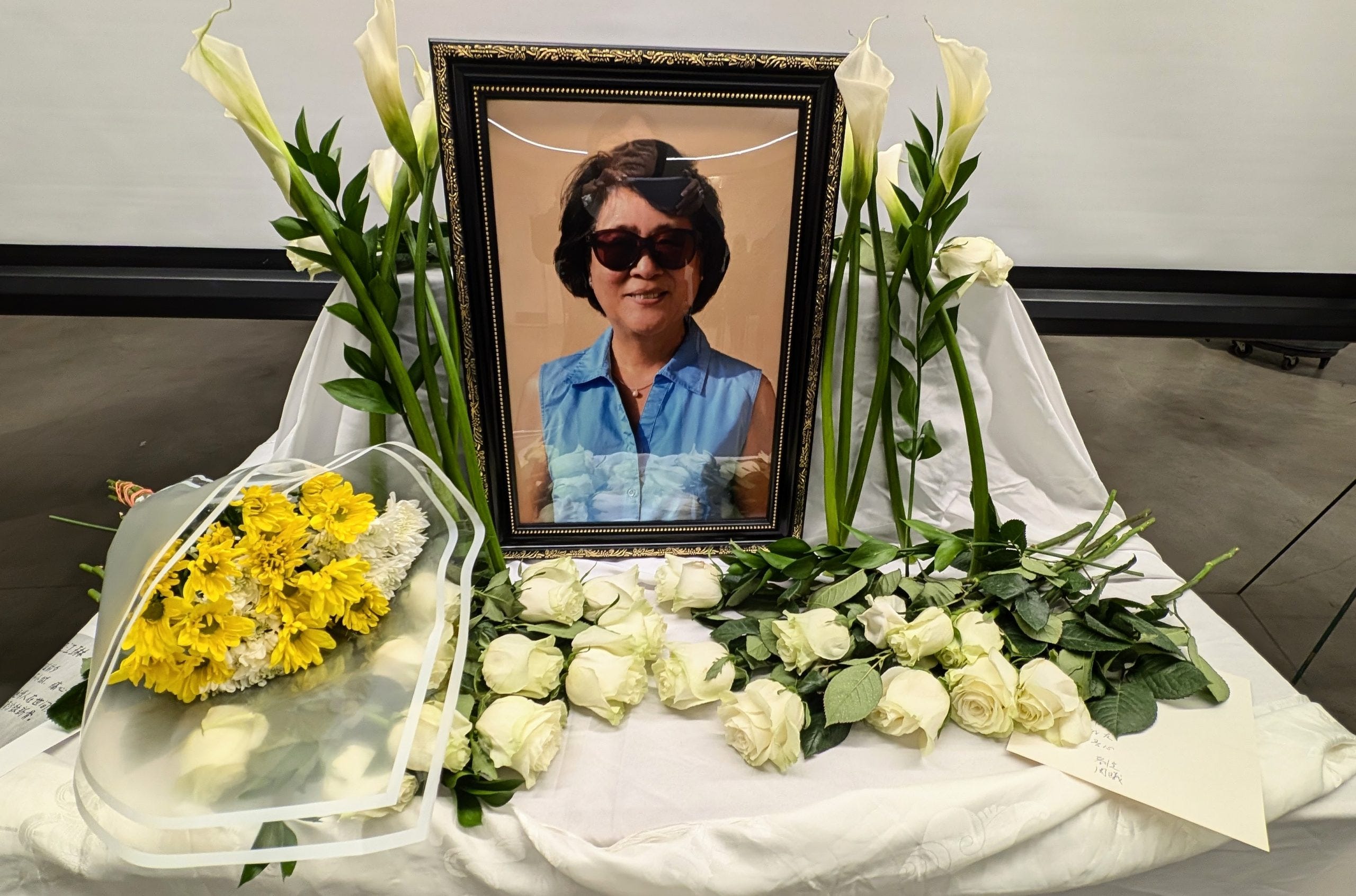
2024年12月24日,研究西藏历史的华人作家、学者李江琳在美国南部乔治亚州的家中安然离世,享年68岁。不久前的2025年平安夜,正是她离世一周年的纪念日。
犹记得一年前,得知她离世的消息时,我内心浮起的遗憾。作为一名汉人青年,也作为一名长期关注西藏历史、文化,参与一些行动的后辈,我长期关注并受惠于她的作品。此前,曾起心动念要去寻访她,但未及成行,便永远失去了这个机会。
1. 逃离红色家庭的思考者
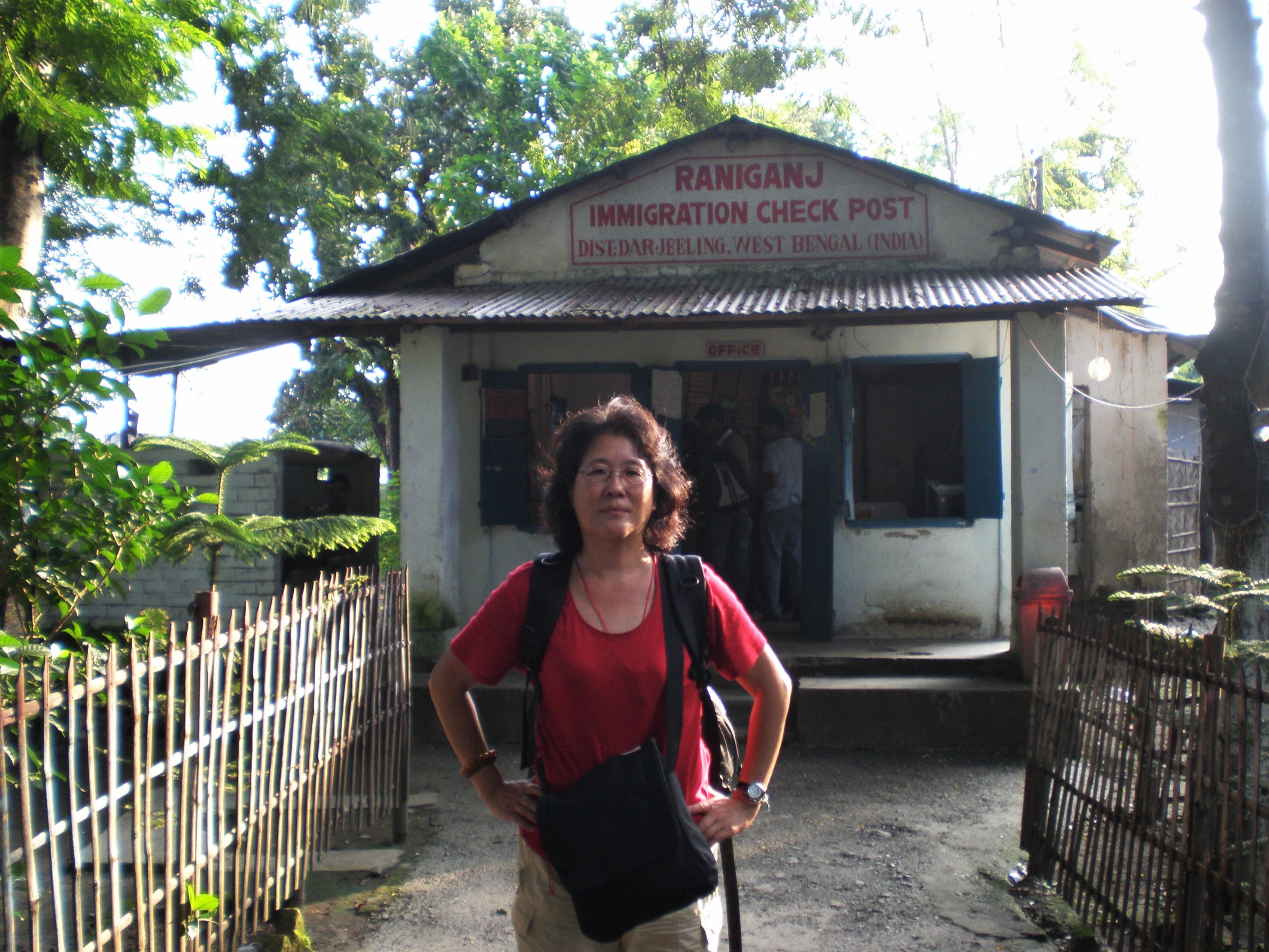
1956年,李江琳生于江西南昌。她的父母都是中共解放军第四野战军工作团的高级干部。她后来自述,成长在享有特权的红色家庭背景下,童年时的她,曾认为革命是天经地义的事。直到文革时父亲被打成走资派,家人被发配到劳改农场,生活的剧变才让她开始反思革命的意义,并对周遭的闭塞和荒谬产生怀疑。她曾在采访中表示,1971年的林彪事件使她彻底觉醒,而她的红色家庭所经历的巨大反差,也让曾经天真的她不得不去思考更多。
1982年,李江琳毕业于复旦大学英文系,1988年,获山东大学美国文学研究硕士学位。在那个风云激荡的1980年代,她最终放弃了国内的高薪工作,选择出走,到美国留学,寻找自己想要的答案。
初到美国的李江琳从餐馆打工做起,希望彻底脱离家庭的护佑,一步步探索自己的路。她先后获得过布兰戴斯大学犹太历史硕士和纽约市立大学皇后学院图书馆学的硕士学位。生下女儿后的她,放弃了在学术界耕耘,在纽约市皇后区图书馆找到了一份工作。她曾担任法拉盛分馆国际资讯中心任项目的策划人,并在这里参与组织了上百场演讲和座谈会,把法拉盛图书馆打造成了一个活跃的海外华人文化活动中心。通过这些活动,她把中国的艾滋病问题、文革、人权、六四事件等议题带到纽约华人的文化生活中。2009年美国笔会授予狱中的刘晓波最高荣誉奖时,李江琳曾代刘晓波的妻子刘霞宣读答谢词。
2. “因为你要寻找真相”
1999年,李江琳在纽约中央公园聆听了西藏流亡精神领袖达赖喇嘛的演讲,并结识了纽约当地的一些流亡藏人。她大受震撼,从此结缘西藏,开始独立研究西藏历史。
2004年,李江琳在纽约法拉盛图书馆主持了藏汉文化交流和西藏文化节。2007年以后的十余年中,她多次走访印度各地和尼泊尔流亡藏人定居点和寺院,采访了300多位流亡藏人。积攒了大量一手资料后,她意识到亲历1959之后西藏痛史的各阶层的藏人正在凋零,为了不错过这个宝贵的时间窗口,也为了有足够的研究时间,在手无余钱的情况下,她于2009年辞去在图书馆的稳定工作,放弃工作福利,自筹经费,专心从事西藏史的研究写作。
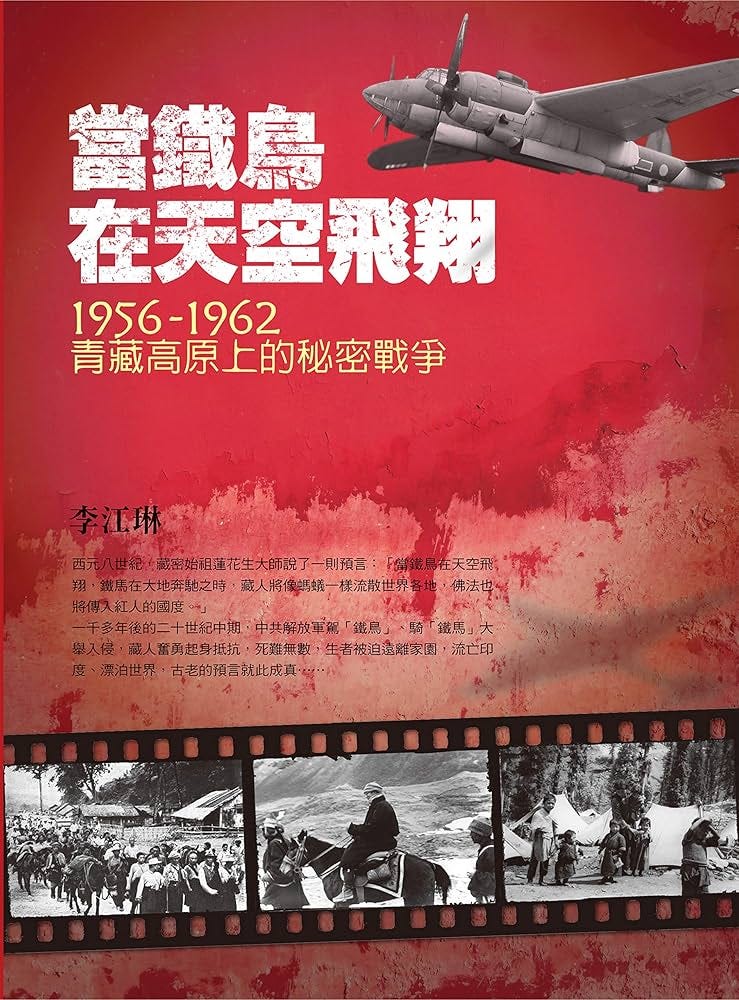
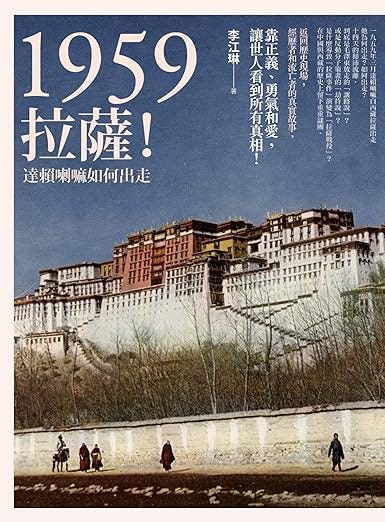
2010年,李江琳出版了《1959拉萨!——达赖喇嘛如何出走》一书,详细分析引发数十万藏人流亡潮的1959年“310事件”,为华人了解西藏问题提供了一个十分重要的窗口。2012年,她出版了《铁鸟在天空飞翔:1956—1962青藏高原上的秘密战争》,揭露了中共军方在青海安多藏区的大规模屠杀和轰炸,补充了安多藏区历史研究的空白。
作为一个历史研究者,亲临现场的诱惑力是无法阻挡的。2012年夏,研究西藏历史多年的李江琳,终于在朋友的帮忙下进入藏区,开始秘密调查访问。她和朋友以”自驾游”的形式在大藏区走了20多个县。所到之处寻访历史事件亲历者,从牧人到退休官员,她以史叩门,时空激荡,感慨万千。最终形成《藏区秘行》(2014年,台湾联经)一书。
在那之后,她被中国大使馆取消了签证,再也无法返回中国,但这并没有阻止她持续为藏人发声。她出席各种研讨会,依然自费多次前往印度,四处收集资料。她长年累月不是四处奔波,就是在家里整理档案和写作。
对李江琳来说,研究现代西藏史面临的难题之一在于,对同一历史事件往往有截然不同的叙述——中共政府的叙事和海外流亡藏人的叙述总是相差甚大。为了尽量不带偏见、让人信服地还原历史,李江琳大量采访海内外藏人来抢救历史记忆,在给出历史事件的分析时,也对比参考中共内部的文献资料,以及世界范围内的西藏史研究成果,给出自己的结论。
为了让研究成果被国际学术界看到,她多方奔走,辗转无数次地修正,重新翻译整理了大量档案资料,终于让《1959拉萨!——达赖喇嘛如何出走》和《铁鸟在天空飞翔:1956—162青藏高原上的秘密战争》这两本重要的中文书,推出了英文版——《Tibet in Agony: Lhasa 1959》,以及《When the Iron Bird Flies: China’s Secret War in Tibet》。这两本书已分别由哈佛大学出版社和斯坦福大学出版社出版。
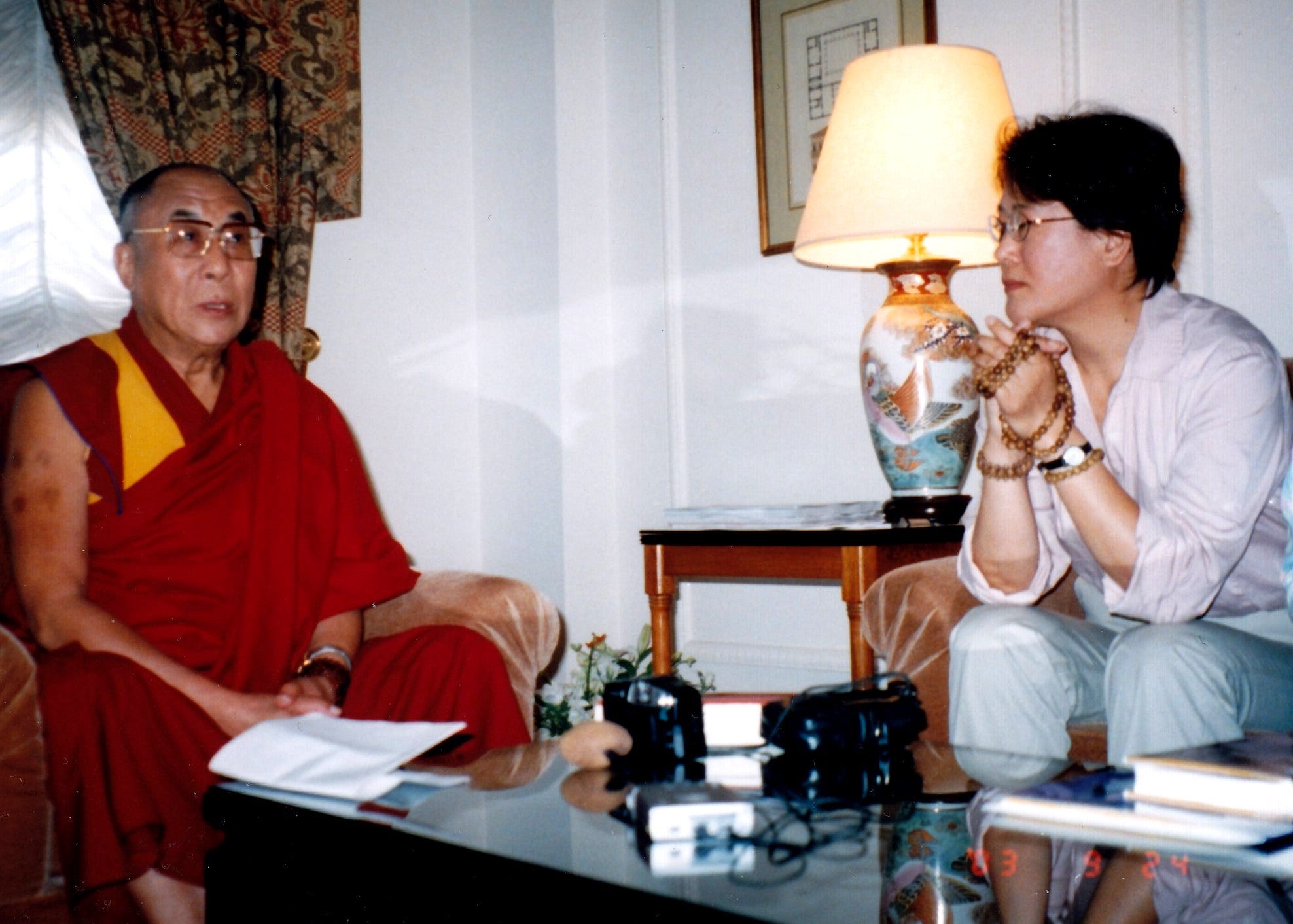
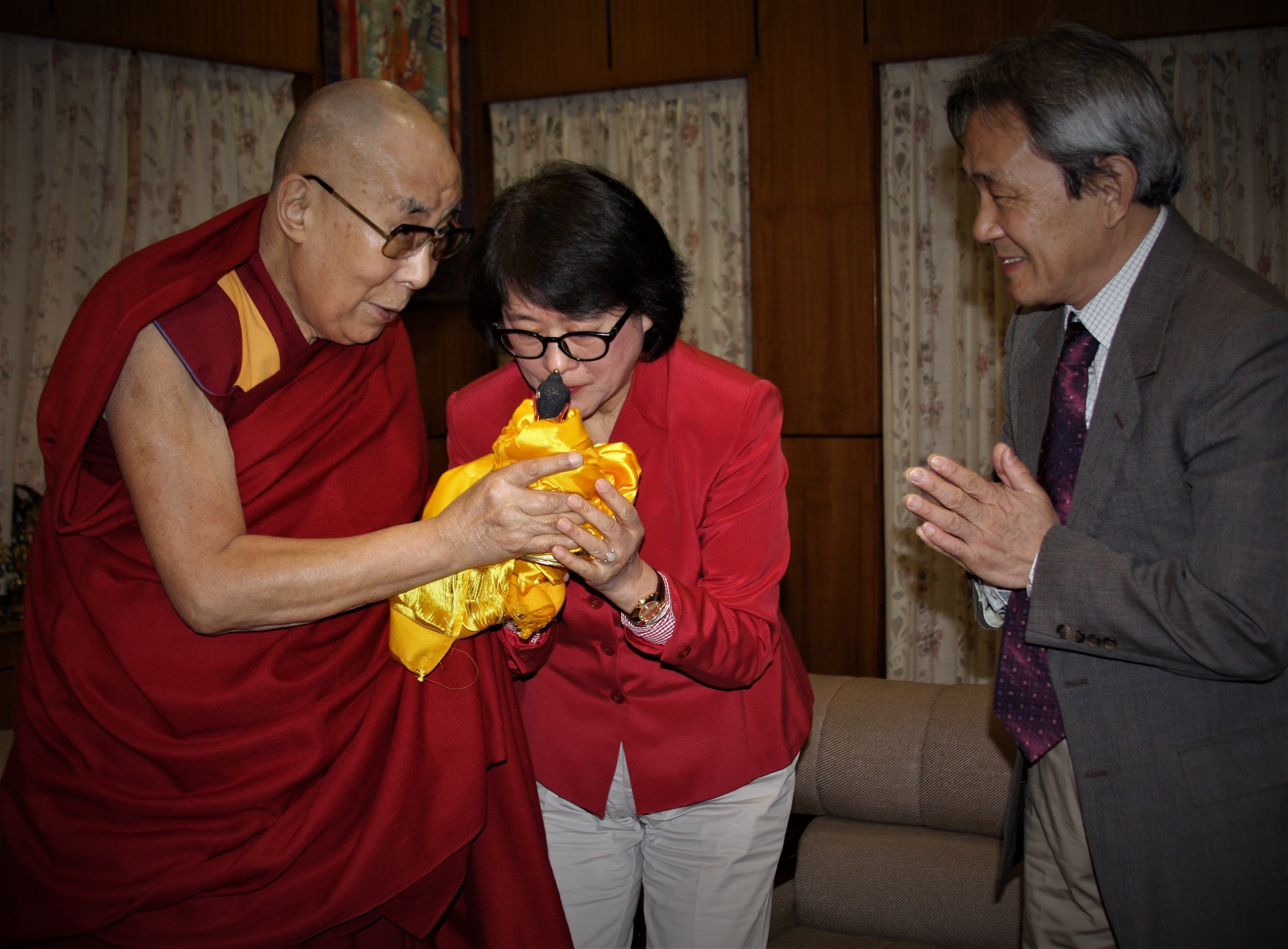
自从2004第一次采访达赖喇嘛尊者,此后数年间,李江琳先后10多次采访尊者,畅谈从历史苦难到未来的科技生活。她记得尊者对她说过一句话:你要记住,你写书,不是因为你支持我、支持西藏,而是因为你要寻找真相。
3. 揭露被掩盖的藏人苦难史与反抗史
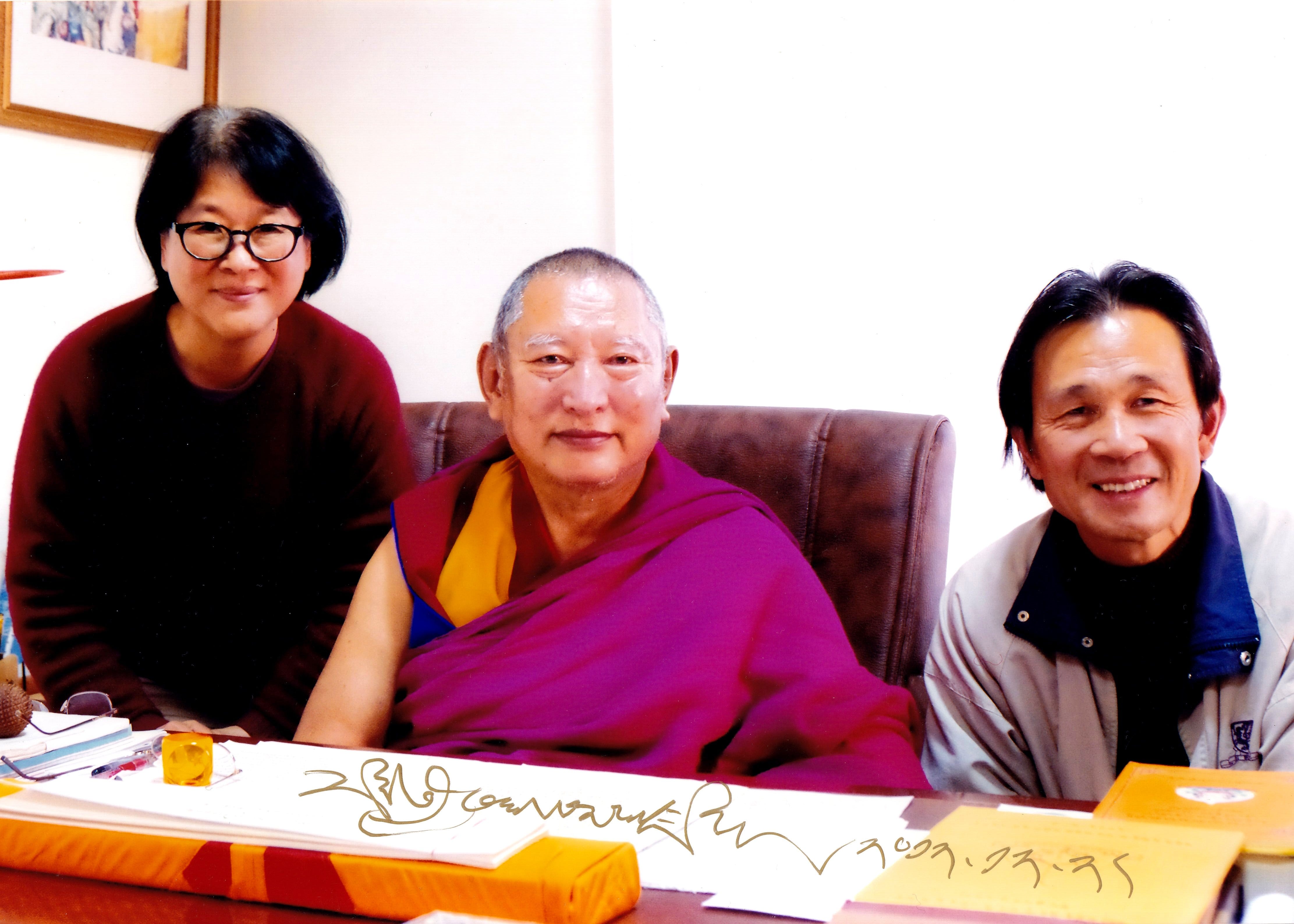
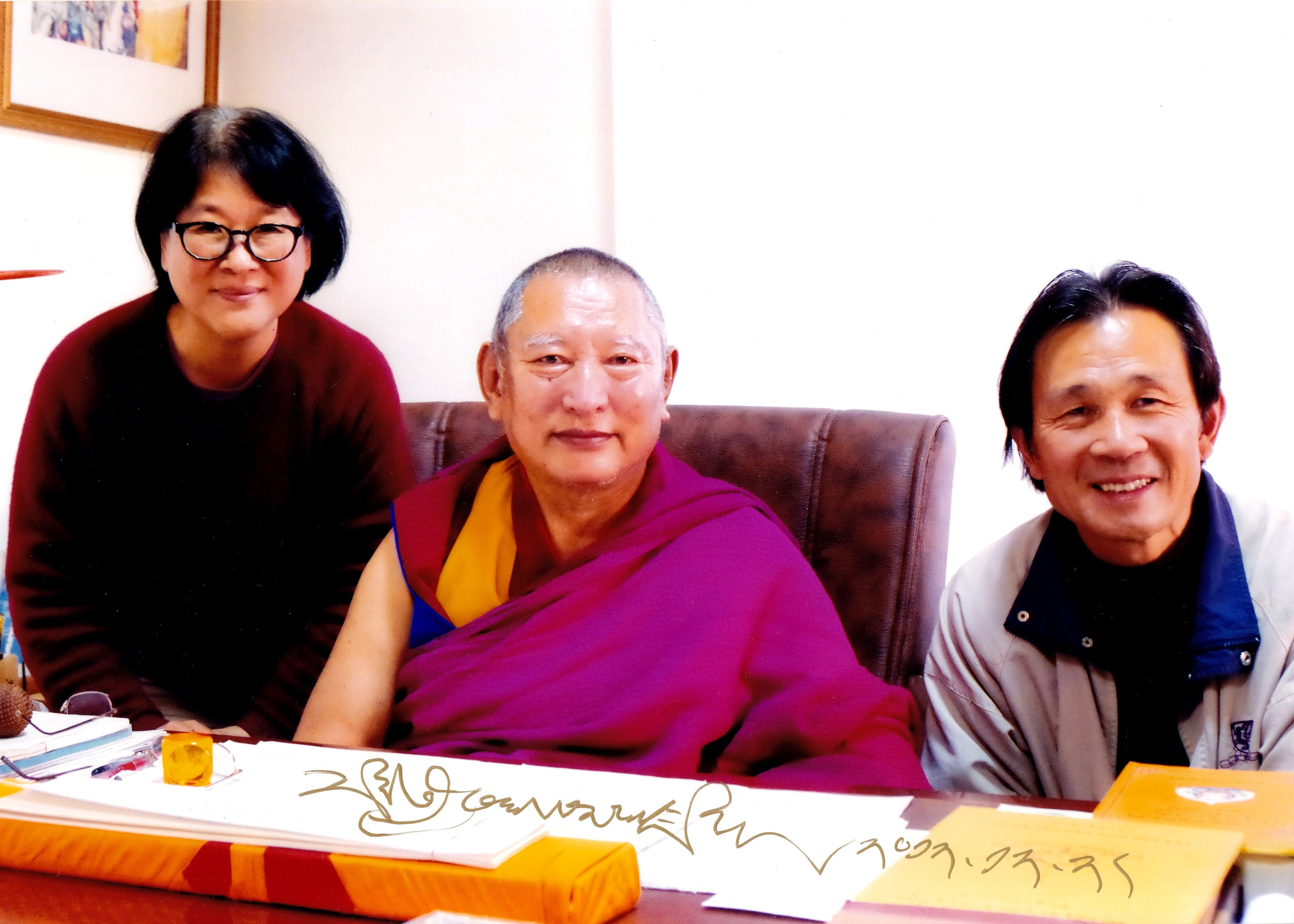
李江琳和她的先生丁一夫笔耕不辍,二人经常合著文章,互作编审校对。2017年她出版了走访藏人难民定居点的访谈《重生的观音:第三个西藏的故事》。她曾说过,这些年她在印度几乎坐遍了所有可以想到的交通工具,从达兰萨拉到印度南部再到尼泊尔,关于勇气、困顿、疑惑、重生和新挑战,她记录了一个又一个流亡藏人的生命,把它们传播给华人世界的读者。
藏人的未来在哪里?如何拥抱现代化社会?这是全球许多藏人心中的疑问,李江琳与丁一夫受邀旁听尊者与西方科学家的对话“心智与生命研讨会”,尊者长期倡导普世价值和普世责任,倡导建立在科学和理性基础上的超越宗教的世俗伦理。2018年,江琳与先生丁一夫合著《智慧之海,达赖喇嘛与当代科学家的对话》,一探深奥的科学和佛学知识,提出怎么对待西方科学和东方佛教之间的分歧与相通处?这本书在华人世界里不是那么盛行,但我认识的好几个懂中文的藏人都说很好看。
李江琳最后一本书是2021年的《一生三世:格尔登仁波切回忆录》,这是流亡印度的阿坝格尔登仁波切口述自传。阿坝是整个藏区最传统的地方,也是苦难最深重的地方。格尔登仁波切的一生命运多变,被称为“如同活了三世”。第一世被认证为转世灵童,成了活佛。第二世,从阿坝到拉萨哲蚌寺,学佛深造。第三世,从拉萨流亡到印度,学习现代知识并于西藏流亡政府任职。
李江琳的作品在华语世界影响力甚广,为华人打开了了解上世纪西藏历史的窗口。许多华人正是通过她的著作,第一次认识到中共叙事之外,那段被掩盖的往事——藏人的苦难与反抗史。
4. 年轻世代的我们,但愿能传承她的精神
在李江琳脱离红色家庭,前往美国留学的1988年,我还没有出生。1990年代中期,我出生于中国中部的一个汉人家庭。两岁时,我随家人搬到云南,并在那里长大。小时候我曾和家人一起去藏区旅游,也去过汉地的藏传佛教寺院供灯。2017年大学毕业后,机缘凑巧,我到了青海果洛州的吉美坚赞民族职业学校做网络技术员(在这所学校2024年被当局关闭后,我曾撰文纪念)。我第一次知道李江琳,就是我在青海上网查西藏历史的资料时,看到美国之音为她做的纪录片。我还记得当时的震撼——她的研究资料如此丰富而专业,让我第一次对藏地历史有了比较深入和全面的了解。我也惊讶于她的能力与人脉——一方面能采访到境外的流亡藏人,也同时能访谈到境内一些退休干部。
作为一个汉族青年,在中国其实很难接触到真实的西藏历史。我个人开始研究西藏,起源于大学时我做过一次云南摩梭人的田野调查。我发现云南很多官方认定的“少数民族”,都深受藏文化的影响。后来在藏区的吉美坚赞民族学校工作的经历,则大大丰富了我对藏地的认知和精神世界。
后来,我出国留学、工作,并开始连接起一群热爱藏文化的华语青年行动者。2024年2月,我创办“华语青年挺藏会”,持续关注和传播西藏的历史文化,并关注当下西藏的现实。2025年7月,我们优秀的同伴——十分热爱藏文化,真诚热情、年仅22岁的中国留学生Tara(中文名张雅笛),在前往藏区旅游时,遭到中共当局的逮捕。
回想起来,我和Tara,还有“华语青年挺藏会”的其他同伴们,都曾被李江琳的作品和人格精神深深感召。我常想,作为中共红色家庭的女儿,她没有凭借特权享受安逸的生活,而是凭借良知与勇气,投身于正义的事业。作为一名汉人,一位研究藏地历史的学者,她没有被民族主义的偏见蒙蔽,而是勇于去倾听与中国官方叙事背道而驰的藏人声音,并利用自己基于身份而拥有的特权,去寻找中共的内部资料,还原史实。这份追寻历史真相的勇气,以及她不懈的坚持,让她成为先行者,也成为我们年轻一代心中的榜样。
2024年冬天,这个世界失去了李江琳,她的离世,是藏地历史研究领域的重大损失,也是追求自由的同道们重大的损失。作为后辈,在她离世一周年的日子,我们深深地悼念她。“愿自由之风吹遍图博大地。愿你吉祥如牛粪,自由如牦牛。”这是我们年轻一代的祝愿。我相信,这也是她的心愿。也但愿我们能传承她追求自由、挖掘与传播真相的精神!
本期推荐档案:
李江琳:《铁鸟在天空飞翔:1956—1962青藏高原上的秘密战争》
本文参考阅读:
【本文为中国民间档案馆首发,转载时请务必在正文之前注明“本文首发于中国民间档案馆”,并加上原文在中国民间档案馆网站或者中国民间档案馆Substack的链接。】
【作者观点不代表中国民间档案馆立场。】
Remembering Li Jianglin: Documenting the History of Tibetan Suffering and Resistance
By Ginger Duan
On December 24, 2024, the Chinese scholar and historian of Tibet, Li Jianglin, passed away peacefully at her home in Georgia, USA, at the age of 68. This past Christmas Eve marked the first anniversary of her passing.
I still remember the sense of regret that welled up in my heart when I learned of her passing a year ago. As a young Han Chinese—and as a member of the younger generation who has long followed Tibetan history and culture—I have been a consistent follower and beneficiary of her work. I had once intended to visit her in person, but decided to wait until I had finished reading all of her books before seeing her. The opportunity, however, was lost forever.
1. A Thinker Who Fled a “Red Family”
Li Jianglin was born in 1956 in Nanchang, Jiangxi Province. Her parents were high-ranking officials in the Work Corps of the Chinese Communist Party’s Fourth Field Army. She later recounted that growing up in a privileged “Red Family,” she initially viewed the revolution as the absolute truth. It was not until the Cultural Revolution, when her father was denounced as a “capitalist roader” and her family was sent to a labor camp, that her life was upended. This upheaval forced her to reflect on the true meaning of the revolution and led her to question the isolation and absurdity of her surroundings. She stated in interviews that the 1971 Lin Biao Incident, in which Lin, Mao’s right-hand man, fled on a plane and died when it crashed, served as her final awakening; the stark contrast in her family’s fortunes forced her once-naive self to think more critically.
In 1982, Li graduated from Fudan University with a degree in English, and in 1988, she earned a Master’s degree in American Literature from Shandong University. Amid the turbulent atmosphere of the 1980s, she eventually gave up a high-paying job in China and chose to study in the United States to seek the answers she needed.
Upon arriving in America, Li began by working in restaurants, determined to detach herself from her family’s influence and forge her own path. She later earned a Master’s in Jewish History from Brandeis University and a Master’s in Library Science from Queens College, CUNY. After the birth of her daughter, she stepped away from academia and found a position at the Queens Public Library. There, as a program curator for the International Resource Center at the Flushing branch, she organized hundreds of lectures and seminars, transforming the library into a vibrant cultural hub for the overseas Chinese community. Through these events, she introduced topics such as the AIDS epidemic in China, the Cultural Revolution, human rights, and the June 4th Incident into the cultural discourse of New York. In 2009, when PEN America awarded its highest honor to the imprisoned Liu Xiaobo, Li Jianglin read the acceptance speech on behalf of Liu Xiaobo’s wife, Liu Xia.
2. “Because You Are Seeking the Truth”
In 1999, Li Jianglin attended a speech by the Dalai Lama in New York’s Central Park and met some local Tibetan exiles. The experience moved her profoundly, leading her to dedicate herself to the independent study of Tibetan history.
In 2004, Li hosted a Tibetan-Chinese cultural exchange and festival at the Flushing Library. Over the next decade, beginning in 2007, she made numerous trips to refugee settlements and monasteries across India and Nepal, interviewing more than 300 Tibetans in exile. After accumulating a vast amount of primary source materials, Li realized that the generation of Tibetans from all walks of life who had personally witnessed the tragic history following 1959 was rapidly passing away. To ensure she didn’t miss this precious window of time and to secure enough time for her research, she resigned from her stable library job in 2009. Despite having little savings, she gave up her employment benefits and relied on self-funding to dedicate herself to the research and writing of Tibetan history.
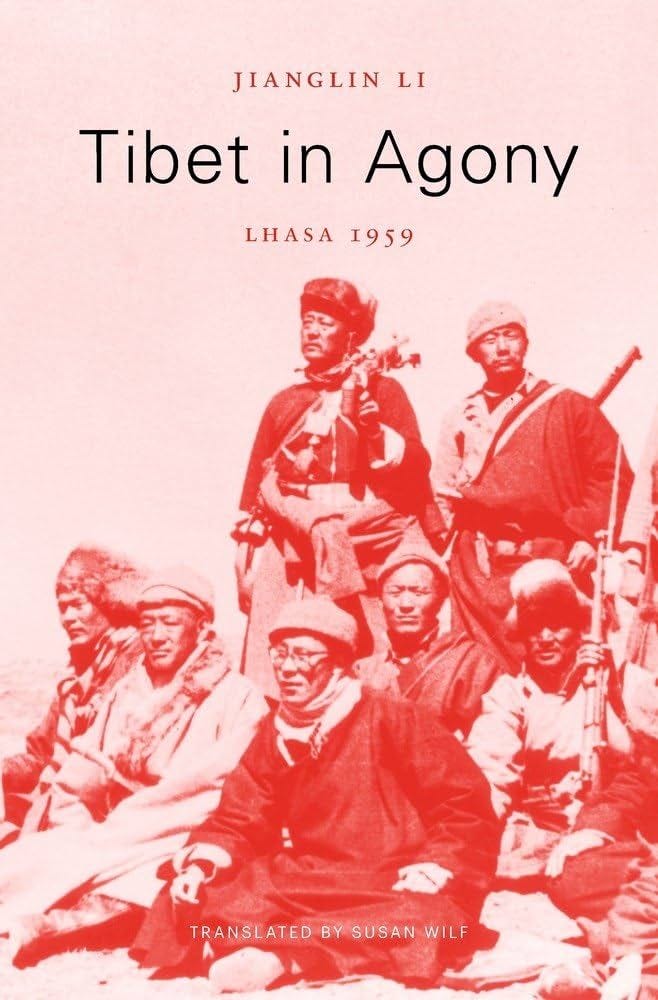
In 2010, Li published Tibet in Agony: Lhasa 1959, a detailed analysis of the March 10 Incident that triggered the exile of hundreds of thousands. This book provided a vital window for Chinese readers to understand the Tibetan issue. In 2012, Li published When the Iron Bird Flies: China’s Secret War in Tibet, which exposed the large-scale massacres and aerial bombings by China’s military in the Amdo region, filling a critical gap in the historical record of that area.
For a historian like Li, the lure of firsthand investigation is irresistible. In the summer of 2012, with the help of friends, she finally entered Tibet to conduct a secret investigation. Under the guise of a road trip, she and her companions visited over 20 counties. Wherever she went, Li sought out those who had lived through historical events—from nomads to retired officials. This journey culminated in her book Secret Travels in Tibet (2014).
Following that trip, the Chinese authorities revoked Li’s visa, and she was never able to return to China. This did not stop her. She continued to speak for the Tibetan people at seminars and traveled to India multiple times at her own expense to conduct fieldwork. For years, she was either traveling for research or at home organizing archives and writing.
One of the primary challenges in researching modern Tibetan history, Li believed, was the existence of two fundamentally different accounts of the same historical events: the narrative provided by the Chinese government and that of the Tibetan exile community often stood worlds apart. To reconstruct history in a way that was as unbiased and convincing as possible, she conducted extensive interviews with Tibetans both at home and abroad to rescue their historical memories. When analyzing events, she reached her conclusions by cross-referencing these accounts with internal Chinese Communist Party documents and global research on Tibetan history.
To ensure her work reached the global academic community, she worked tirelessly to revise, translate, and organize her findings. This effort led to English editions of her major works: Tibet in Agony: Lhasa 1959 (Harvard University Press) and When the Iron Bird Flies: China’s Secret War in Tibet (Stanford University Press).
Since her first meeting with His Holiness the Dalai Lama in 2004, Li has interviewed him more than ten times. She recalled him saying: “You must remember, you are writing these books not because you support me or support Tibet, but because you are seeking the truth.”

3. Exposing the Hidden History of Suffering and Resistance
Li Jianglin and her husband, Ding Yifu, were a prolific writing team, often co-authoring articles and editing each other’s work. In 2017, Li published The Reborn Avalokitesvara: The Story of the Third Tibet, based on her interviews in refugee settlements. She once remarked that she had used almost every form of transport imaginable in India, from Dharamsala to southern India and into Nepal. She documented the lives of exiles—their courage, hardships, doubts, and rebirths—and shared their stories with the Chinese-speaking world.
Where is the future for Tibetans? How can they embrace modernity? These questions weigh heavily on many Tibetans. Li and Ding Yifu were invited to observe the “Mind and Life” dialogues between the Dalai Lama and Western scientists, which promote secular ethics based on science and reason. In 2018, they co-authored Ocean of Wisdom, exploring the intersections of Western science and Eastern Buddhism. Although this book is less known in the broader Chinese world, several Chinese-speaking Tibetans I know consider it a brilliant work.
Li Jianglin’s final book was the 2021 biography Three Lives in One Lifetime: An Interview with Kirti Rinpoché Lobsang Tenzin Jigmé Yéshé Gyatso, an oral autobiography of the exiled Kirti Rinpoche of Ngaba. Ngaba is one of the most traditional and hardest-hit areas in Tibet. Kirti Rinpoche’s life was so transformative it was said he lived “three lifetimes”: first as a recognized reincarnated lama; second, as a scholar in Lhasa; and third, as an exile in India learning modern knowledge and serving in the Tibetan Government-in-Exile.
Li’s work has had a profound impact, providing a window for the Chinese world to see a history that has long been suppressed—the history of Tibetan suffering and resistance.
4. May Our Generation Inherit Her Spirit
In 1988, when Li Jianglin left her “Red Family” for the United States, I had not yet been born. I was born into a Han family in central China in the 1990s. I moved to Yunnan with my family at age 2 and grew up there. As a child, I traveled to Tibet with my family and visited Tibetan Buddhist monasteries in the Chinese interior to offer butter lamps. After graduating in 2017, I happened to find work as a network technician at the Jigme Gyaltsen Vocational School in Golog, Qinghai Province (I wrote about it when the authorities shut down the school in 2024).
I first encountered Li Jianglin’s work while researching Tibetan history online when I was in Qinghai, through a Voice of America documentary. I remember the shock I felt—her research was so comprehensive and professional that it gave me my first true understanding of the region’s history. I was also struck by her reach; she was able to interview both Tibetan exiles abroad and retired Tibetan officials within the system.
As a Han youth in China, it is extremely difficult to access the true history of Tibet. My own interest began with fieldwork on the Mosuo people in Yunnan, where I realized many so-called “ethnic minorities” were deeply influenced by Tibetan culture. My experience working in Golog further enriched my understanding.
Later, I moved abroad to study and work, eventually connecting with a group of young Chinese-speaking activists who love Tibetan culture. In February 2024, I founded “Chinese Youth Stand for Tibet” to raise awareness of Tibetan history and current realities. In July 2025, our dedicated companion Zhang Yadi, also known as Tara—a passionate and sincere 22-year-old Chinese student—was arrested by the Chinese authorities while traveling in Tibet.
Looking back, Tara, myself, and our companions were all deeply inspired by Li Jianglin’s work and spirit. I often think about how, as a daughter of a “Red Family,” she chose a life of conscience and courage over the ease of privilege. As a Han scholar, she was not blinded by nationalism; she dared to listen to voices that contradicted the official narrative and used her unique access to internal documents to restore the truth. Her persistence and bravery make her a pioneer and a role model for our generation.
In the winter of 2024, the world lost Li Jianglin. Her passing is a profound loss for the study of Tibetan history and for all those who pursue freedom. As members of the younger generation, we deeply mourn her on this first anniversary. “May the wind of freedom blow across the land of Tibet. May you be as auspicious as yak dung and as free as the yak.” This is our wish, and I believe it was hers, too. May her spirit remain with us, and may we carry forward her legacy of uncovering and spreading the truth.
Recommended archives:
Li Jianglin: Tibet in Agony: Lhasa 1959
Li Jianglin: When the Iron Bird Flies: China’s Secret War in Tibet, 1956–1962
Further reading:
The New York Times | Tibet’s Secret War: What Really Happened? (English with subscription)
She Uncovered the Suffering of Tibetans in 1959 — Chinese and Tibetan Friends Mourn Li Jianglin Together (in Chinese only)
Li Jianglin: Breaking with a Red Family—This Revolution Was a Mistake (in Chinese only)
Hu Ping | In Remembrance of Li Jianglin (in Chinese only)
Li Jianglin: After Returning from the Land of the Buddha — Written on the Publication of Secret Travels in Tibet (in Chinese only)
[This article first appears on China Unofficial Archives. When reposting, please ensure that the following is included at the beginning of the reposted text: “This article was first published by the China Unofficial Archives,” accompanied by a link to the original article on the China Unofficial Archives website or Substack.]
[The views expressed by the author of this article do not necessarily reflect the position of the China Unofficial Archives.]