

文革、人性以及女性——“九五后”青年对话“老三届”作家刘海鸥
On the Cultural Revolution, Human Nature, and Being a Woman: An Interview with Liu Haiou

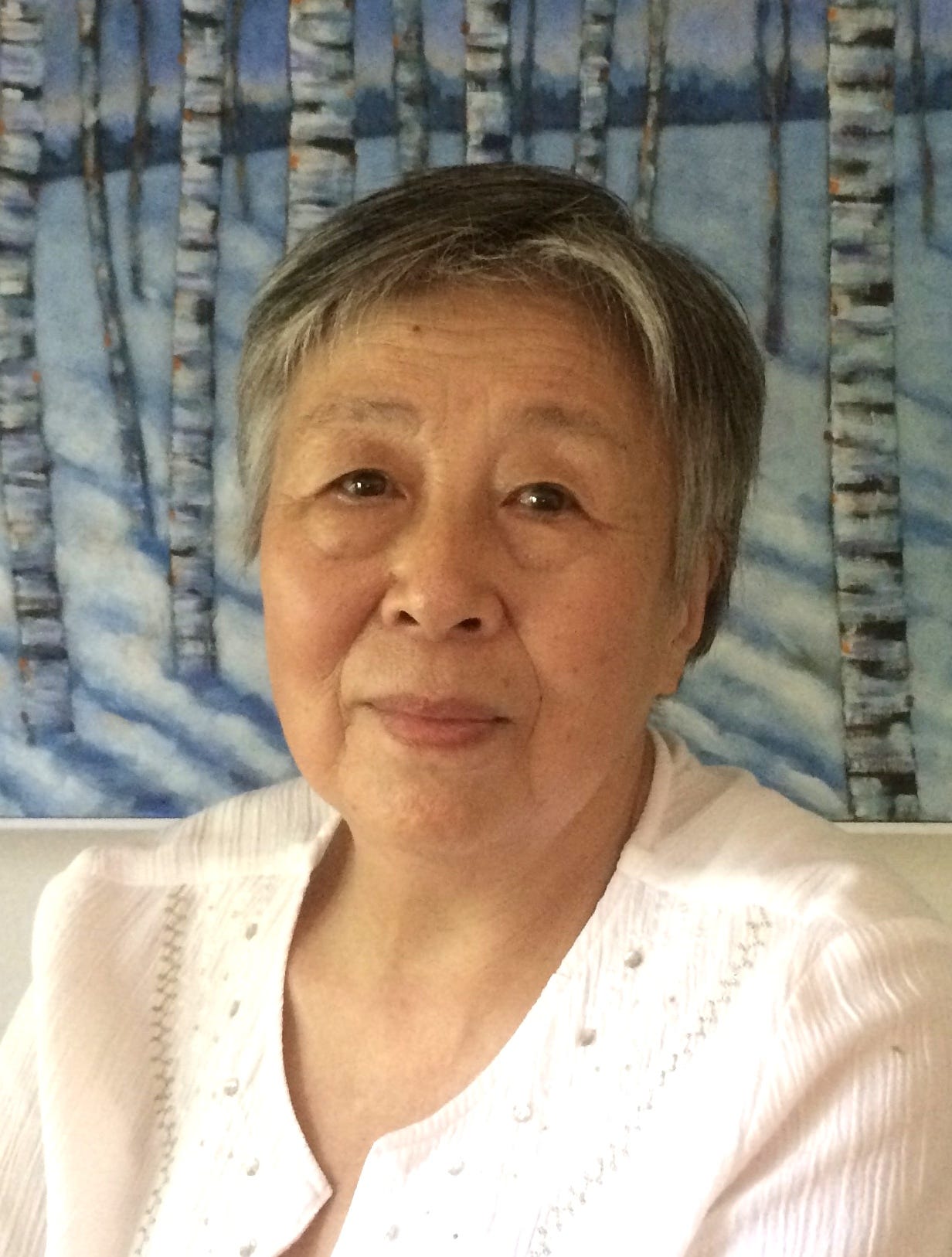
作者:舒凡
By Shu Fan
The English translation follows below.
一年前,我还不知道刘海鸥是谁。作为“95”后的我,出生在文革结束近20年之后,读过一些关于文革的作品,但对那一代人——尤其是女性,如何度过文革十年,以及她们一生因此所受的影响,并不能通过自身去理解。对“红卫兵”、“造反派”、“思想改造”的理解,也仅是文字层面的。
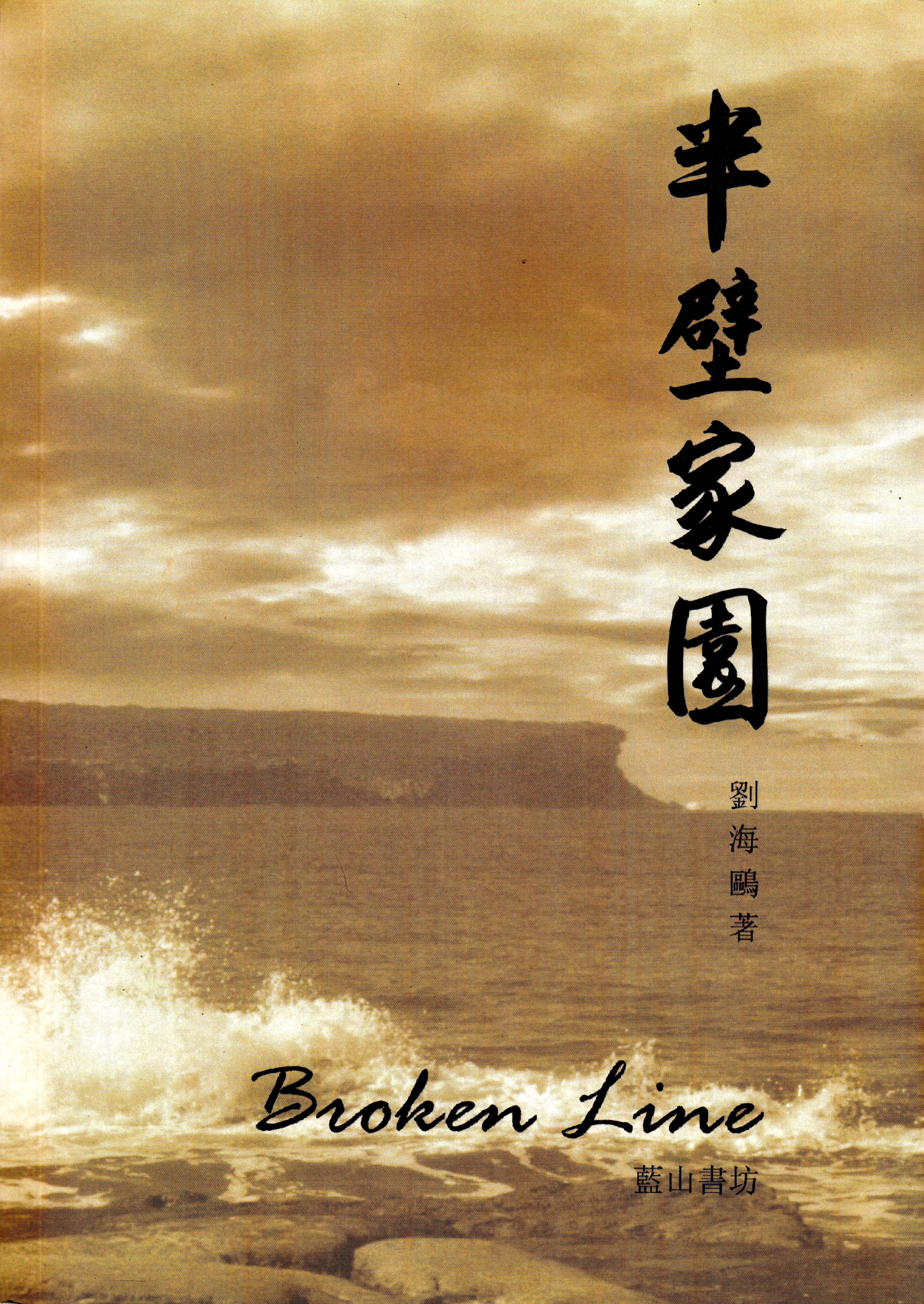
我最初是被她的自传体“文革连环画”《画说我的一生》一书吸引,逐渐了解到,她也是家族自传《半壁家园:刘辽逸家事百年》的作者。她的作品,曾被中国民间杂志《记忆》连载和选登。她的父亲是著名翻译家刘辽逸,1951年起长期在人民出版社工作,介绍苏俄文学,是《战争与和平》的译者。刘辽逸早年追随共产党,不惜与家族决裂——她的祖父带领大家族去了台湾,只有父亲这一支留在了大陆。新政权下,刘海鸥的父母作为知识分子,并不受待见——文革时期,他们都被下放牛棚。刘海鸥出生于1947年,算是“生在红旗下,长在新中国”。她在大连出生,在北京度过童年和青少年,成长期经历了文革,曾去新疆等地串联,文革结束后在北大读哲学研究生,1980年代开始任教。后来,她在强大的计划生育压力下生了二胎,最终离开了中国。
和其它关于文革的回忆录不同,刘海鸥出版于2023年的这本自传,每一节叙事都配上了中国人熟悉的连环画。她清醒而明确地向世人袒露自己的经历,自己的思考,自己的发现:她曾经非常“左”,在文革刚开始的时候,她竭力改造思想,希望成为真正的“革命者”,但最终发现:革命原来是一种特权,她是造反派的“革命对象”。
在一章一章阅读她的人生时,我屡次被她的文字逗笑,有时候她的语气好像我钟情的女性脱口秀演员,机灵、快速、敏捷,而且犀利、迅猛,直击要害。用现在的网络语言来说,好像一个段子手,用夹杂着幽默的叙述口吻,并保持着写作者的独立与抽离态度。我认为,这在文革时期成长起来的人的写作中尤为罕见——那不是一个鼓励人,更不是一个鼓励女性拥有独立视角的时代。在一个消灭人的个体性,要求人全然泯入整体的时代,她始终没有完全泯灭掉自己的个体性,而且把这一切都写和画了下来:
例如,在她小时候的认知里,长头发的是女性,短头发的是男性,所以当她看到毛泽东的照片时,她对毛的性别曾陷入深深困惑——因为毛主席的头发不长也不短,以至于她在坐黄包车的时候,不由自主地问司机,毛主席是不是不男不女;在爱的表达被禁止的时代,她偷瞄长相英俊、气质忧郁的男同学(后来这位男同学因精神问题进了医院);在文革中武斗激烈的兰州和新疆,她和同伴们在炮火中一起打扑克牌。
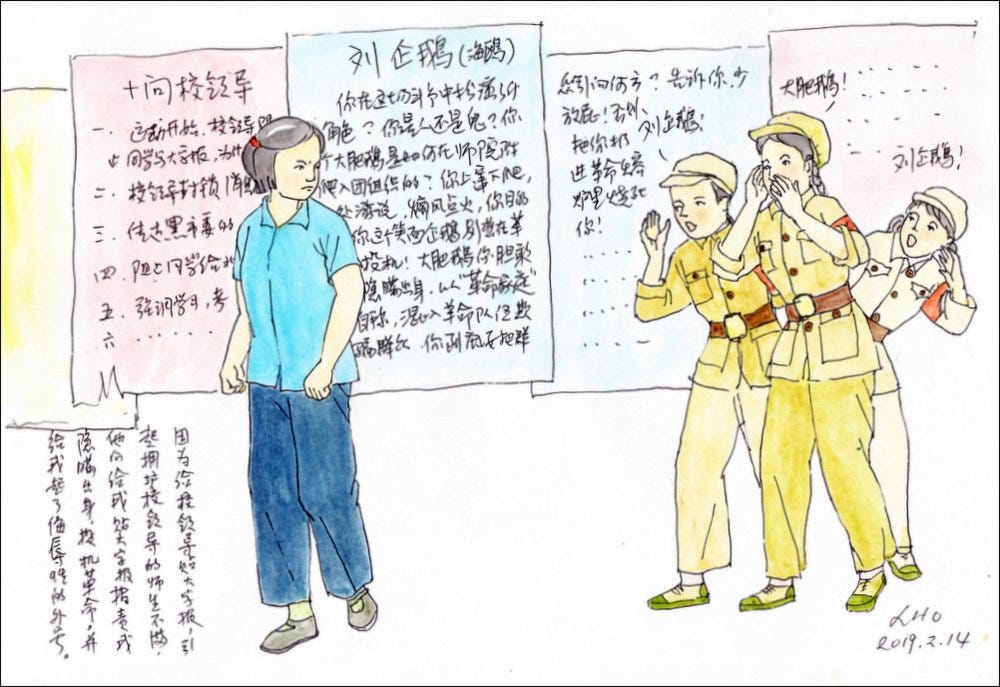
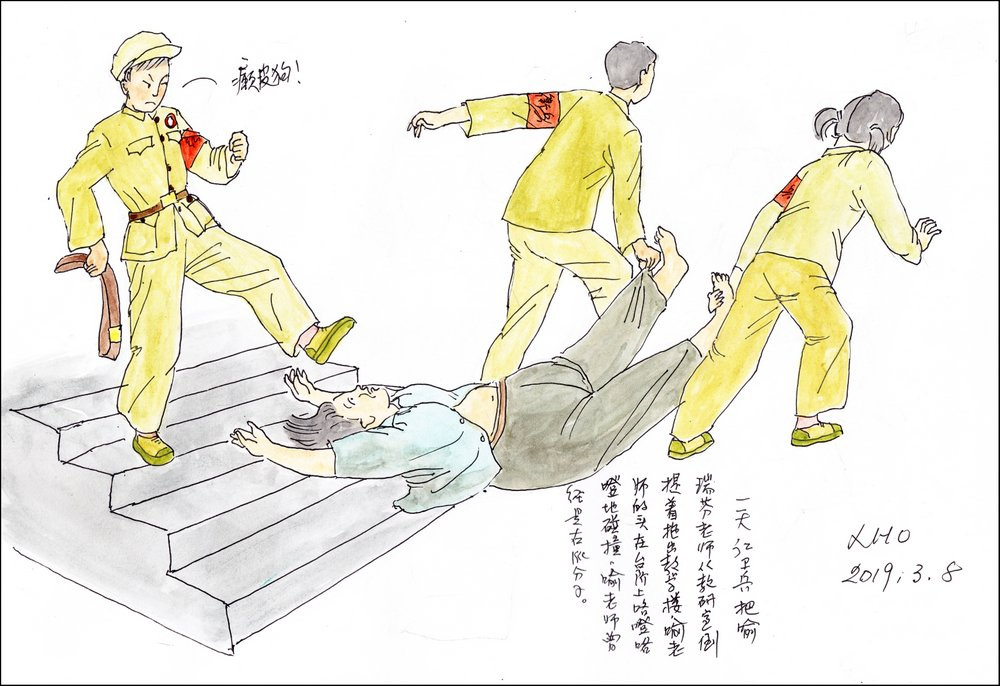
她也写和画下来:出生于知识分子家庭的她,怎么进行自我改造——她曾站在火车轨道上,想象自己是舍身救人的“革命英雄”欧阳海,但却发现自己很恐惧,不能无私地为他人献身,而对自己的“阶级改造不彻底”感到愤懑;她热烈加入革命队伍,满怀热情地贴大字报,却因为体型,被红卫兵嘲笑叫刘企鹅,还被铁锨毒打,满身伤痕地回家,却从未向家人诉说过;她目睹自己所在学校的老师,被红卫兵折磨至死的过程……
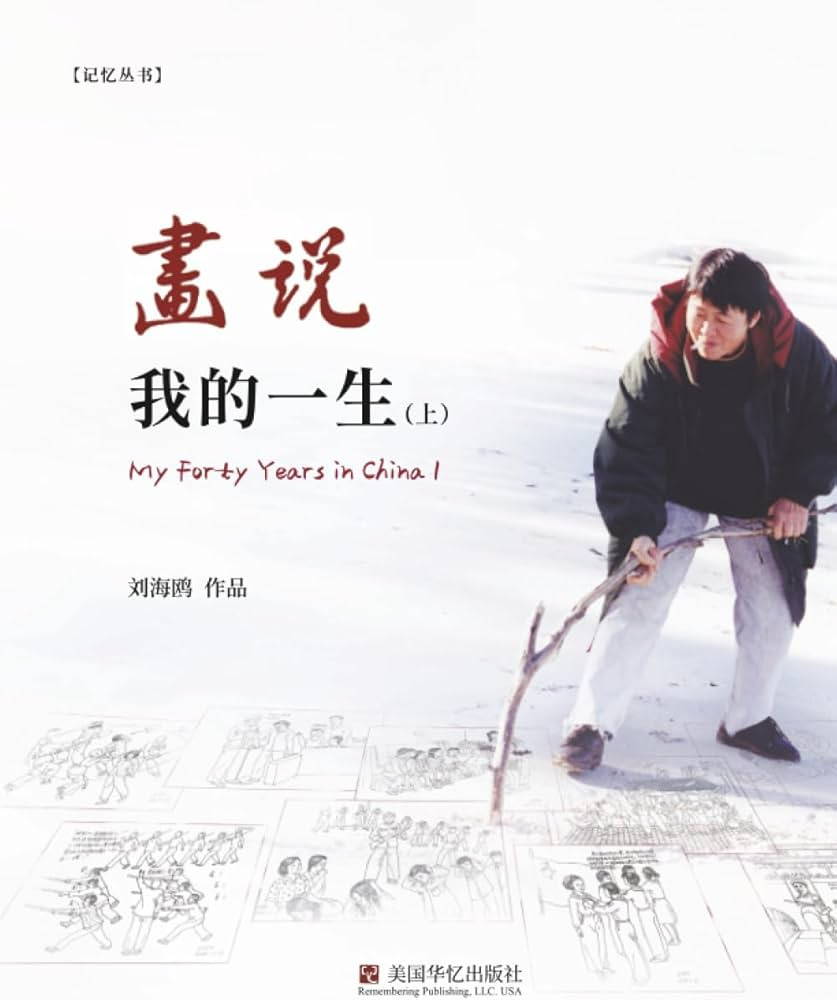
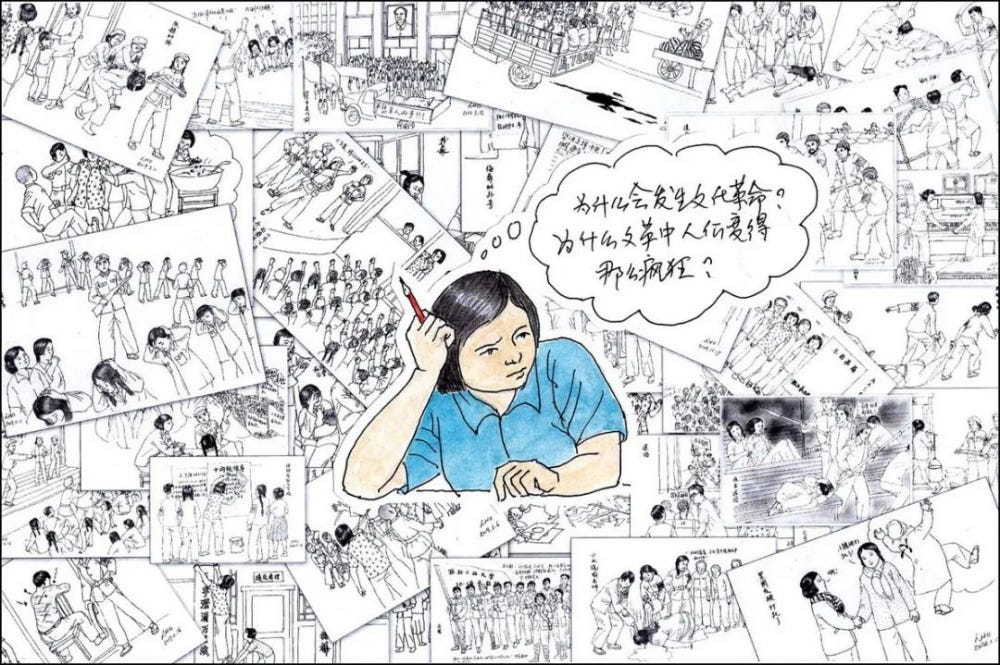
《画说我的一生》一书中,有640幅连环画。文字和画面的结合,让作者在叙述文革中的经历时,能有效地呈现出个人与时代交织、冲撞、矛盾的画面。例如其中的一幅画,一个青少年女性一面背诵阶级斗争的语录,满脸正义感,但一面,脑海里缭绕出莫扎特的音乐旋律,于是她举枪对准了这个脑海里出现的莫扎特——这个画面对我——作者的诉说对象、一个后辈来说,冲击力是不同寻常的,我既觉得新鲜、欣喜,又觉得同情——为看到一个活生生的人而欣喜,而能感其所感。
就像文革是一个高度集体化的运动一样,其实,后来对文革的叙述也常常是集体化的,例如1980年代,一场对文革记述与反思的文学运动,也曾被概括为“伤痕文学”。对文革这样一段复杂的历史,因为很多事情过于沉重、暴力与荒诞,也很容易被奇观化和浪漫化,让后代的阅读者难以相信——究竟发生了什么?
所以,当我看到B站(指中国青年网络平台 Bilibili)上青年们对文革怀旧,对毛的虔诚与热爱重返时,几乎可以理解,并觉得那是一种诱人的情绪——我们最终可以实现人人平等,人人都可以过上幸福而不受苦的生活——这也许跟当时积极参加自我改造的刘海鸥的感情动力并无差别,但是文革究竟是什么?为什么今天的人会轻易陷入对文革的怀旧中?
进而我们也可以追问,为什么文革中的标语对现在的年轻人来说都是诱人的?——再把现在的我们和50年前的青年联系在一起,为什么个体可以在一场运动中丧失人性,被话语和权力统治,肆无忌惮地伤害权力所针对的对象?而与之相对的,是什么,让个体在一场席卷所有人、破坏人性的运动中,仍能保留人性的完整?
在书中,刘海鸥也曾多次反思自己,在文革中为何那么“糊涂”,以及为何这场运动可以迅速、强势地裹挟每一个个体。在读研究生时,她的题目也是“中国人为什么会这样”,研究文革中的群众究竟是怎样参与其中的。她认为,中国的文化传统和思维模式中对权威的顶礼膜拜;“随大流”的集体思维习惯;以及非黑即白的思维,还有生存至上的实践理性哲学,都在极端的高压环境之下,成为了文革的推手。
1990年代,刘海鸥生了一场大病,那时她曾感慨,人为什么不能活得轻松一点呢,不再关心那些沉重的命题呢?可事实上,她这一代人的生命,始终跟政治直接地、暴力地交织在一起,她难以做到不再关心——所以,从那时起,她开始书写自己的经历,最后形成这部画传。她说,选择用连环画的形式来表达,是她发现年轻人对那段历史兴趣不大。她的女儿7岁時跟着她到了澳洲,不会读中文,她的初衷,就为了让自己的孩子能理解这段历史,把自己的真实经历,“留给孩子、留给后代。”
(以下访谈内容经过整理。)
舒凡:《画说我的一生》的记录从童年开始,前几章的画作基调是温暖、明亮的,到了文革前夕这样的调子被切断了,画面直接重现了文革中非常沉重、暴力的经历,比如你自己被殴打,以及目睹老师被殴打,其中一位被学生殴打致死等。对你来说,重现这段经历是这个创作中最沉重、最痛苦的吗?
刘海鸥:其实到了我这个年龄,很多事情已经看开了。在创作时,我并没有特别强烈的痛苦感,因为我已经把当下的自己和过去的经历分开来看,是以一种“旁观”的状态在回忆。
不过文革中有一件事,对我打击最大,是我被打的那一段,我40年来没有对任何人说过,连父母都不知道,因为当时觉得非常羞耻。起因是我把(毛主席)“万寿无疆”误写成“无寿无疆”,被当作“反动”问题,后来在学校被造反派殴打。当时家里人并不清楚情况,我父亲也没有问我。直到他去世后,我和姐姐争执,她误以为是我带红卫兵抄家,说我是多么多么左,爸爸对这件事多么不满意,我才意识到这件事一直没有向家人解释清楚。后来我把事情告诉了母亲,一边说一边哭,这是我第一次在她面前哭。后来我又给姐姐写了很长一封信,解释前因后果,她看后向我道歉。把这件事说出来之后,我才真正放下了。
舒凡:为什么当时觉得不能告诉父母呢?
刘海鸥:当年没有告诉家人,一方面是觉得羞耻,因为觉得这是我的错,另一方面也是不想让父母难过,被打得那么惨嘛。直到跟姐姐吵架的时候,我才意识到家里人一直有这样的误解,我爸爸就是带着这样的误解走的。我告诉母亲的当晚,她把脸转过去一晚上一句话也没说,我知道她很难过,但她没有说什么,只是整晚沉默。
舒凡:你在这里提到羞耻感,让我想到你在文革初期想要彻底“改造自己”,去第一个贴大字报,却遭到红卫兵羞辱,他们给你起了“刘企鹅”的外号。,你也在提到文革中遭受的羞辱几乎都与“胖”有关。还有其他女性,像喻瑞芬老师,最后被折磨致死,她单独被揪出来,也跟她胖有直接关系。我很好奇,为什么“胖”会成为一种被羞辱甚至被针对的原因,尤其是对女性而言?
刘海鸥:这种羞辱其实从小就存在。当时,电影、小说和绘画中地主资本家都以大腹便便的形象出现,所以很多人把“胖”与剥削阶级联系在一起,认为胖是因为吃得好、家庭条件好,所以看到胖的人,就容易把这个人归为“有问题”的阶级。当然,当时社会整体都很贫困,大多数人都很瘦,而我因为家庭条件较好,从小吃得好一些,就显得稍微胖一点,因此经常被骂、被起外号,也从小缺乏自信。我小时候在学校就有小孩追在身后骂我,甚至后来当老师后,也一直被羞辱,被人叫缩脖坛子。
在文革中,这种偏见被放大,变成一种带有阶级意味的攻击。对女性来说,除了政治上的打击,还会叠加对外表的羞辱,显得更强烈。另外,当时男性胖子本来就很少见,所以这种针对更多落在女性身上。总体来说,这是阶级观念和社会偏见共同作用的结果。
舒凡:这样的经历会让您对自己的女性身份有不一样的感受吗?会不会觉得如果不是女性,就不会受到这样的对待?
刘海鸥:我觉得没有。当时我并不觉得是因为性别才被针对,而是因为“胖”被当作阶级问题的象征。那时的逻辑主要是按阶级来区分,而不是按性别。整体社会的阶级观念非常强烈,这个盖过了所有别的标准。
舒凡:你在文革中一方面努力进行自我改造,甚至否定自我,但另一方面又始终保留着对音乐、艺术、自然的感动,在这样一场近乎癫狂的运动中,你没有参与对他人的伤害。在那样一个破坏人性的环境中,是什么让你保留了人的完整性?
刘海鸥:从小的家庭环境和本性来看,我其实是一个天性自由的人,这一点一直没有真正改变,只是被压抑,或者不断压缩了。六十年代初文艺界有过一次解放,引进外国音乐电影,跟我的天性是合拍的。另外,我父母都属于自由知识分子,家里的大量外国经典文学和家庭环境推崇的自由思想,也塑造了我比较强的个体意识。
后来在不断的政治运动中,我一方面努力按照“阶级观念”改造自己,打磨自己,另一方面内心始终有疑问,也保留着对自由和美的感受,这种内在冲突一直存在。当时我在学习那些英雄事迹,比如欧阳海,也努力按照那种标准要求自己,但有一次听到莫扎特的音乐,我一下子晕了,那种被压抑已久的情感一下子释放出来,可紧接着,我又会觉得这种感受“不对”,认为这是不符合当时思想要求的,需要压制。这种自我否定越来越强,也与当时整个社会愈发“左”的氛围是一致的。
不过,在心里,我对自由的感受并没有消失,同时也一直存在疑问,并非完全接受那些观念。只是整体上,还是跟随当时的社会和政治方向走。
等到文革结束、被全面否定时,我突然意识到,过去十几年的信念和自我改造几乎全部被推翻,这对我是一次巨大的打击,相当于自我被彻底否定。
舒凡:您提到过,这种否定之否定给您带来了巨大的痛苦,现在的您会怎么分析这种痛苦呢?
刘海鸥:十一届三中全会对文革的全面否定,相当于把我这一代人好不容易建立起来的信仰一下子击垮了,这让我非常困惑和痛苦。不过这种痛苦没有持续太久。随着改革开放,文学、电影、音乐等重新出现,这些被压抑已久的东西一下子与我产生共鸣,迅速被重新唤醒。
可以说,我原本的天性只是被压抑,一旦环境放开,就很快恢复、生长。后来我考入北大哲学系读研究生,这对我的思想启蒙作用很大,导师们思想开放,他们讲的东西一下子就打开了思路。我接触到的西方古典哲学,就是讲人类的认知之路,也对我很有启发,也促使我对过去的信念进行了再一次的反思与否定,也进一步重建了自己的认知。
舒凡:您觉得文革对人性破坏最严重的方面是什么?比如告密、失去信任,还是羞辱与折磨他人?
刘海鸥:我觉得最大的破坏是对人性的整体摧毁,包括良知和道德的崩塌。那种“打倒一切、怀疑一切”的氛围,使很多人失去了基本的价值标准。这种影响不仅发生在当时,还会延续到下一代,形成长期的后果。不过也不能一概而论,我的看法可能有偏颇,也需要谨慎看待。
舒凡:我在阅读有关您的经历时,发现您笔下的新疆那一段的串联经历可能层次最为丰富,在激烈的武斗中,有独立成长的女孩、新婚女性的家庭、等待团聚的人,以及兵团中的上海女性。一面是武斗的炮火,一面是人们的日常生活、街头飘扬的维族音乐,这和我们常见的文革叙述(如《牛棚杂忆》)很不一样。新疆是否可以说是您在文革中感受到人性最丰富的地方?
刘海鸥:当时并没有“人性”这样的自觉概念,因为在那个年代,“人性”甚至被视为负面的词汇。我的感受更多是来自日常经验,而不是抽象思考。其实不只是新疆,文革中的任何地方都同时存在“两种世界”:一部分人积极投入运动,另一部分人大多数仍在过自己的日常生活。新疆也是如此——一方面武斗非常激烈,甚至有枪炮声;另一方面,小贩照常做生意,人们照样生活。
所以文革并没有对所有人产生同样的冲击。有些人是受害者,尤其是知识分子;但也有一些人并未受到根本影响,甚至在某种程度上成为“受益者”。比如有人从混乱中获取资源,或对既有秩序的破坏中获利。因此,他们对文革并不强烈反感。
就我个人而言,这种体验并不限于新疆。在贵阳,我会在破旧街巷中听到小提琴声,看到居民窗帘的非常美丽的图案和色彩。但与此同时,又会被革命歌曲激发出强烈的激情。所以这种状态是一种持续的摇摆:一方面是对美、音乐与日常生活的感受,另一方面是被时代情绪裹挟的热血与激动。这两种力量始终并存。
舒凡:那您觉得新疆、贵阳这些城市和政治运动的中心北京有什么不同?比如在北京,人们是否更统一、更全面地投入运动?
刘海鸥:文革初期(1966年夏到秋),北京的“红色恐怖”非常强烈,气氛高度紧张,稍有不慎就可能遭遇严重后果。但到后来,随着红卫兵外出串联,北京反而出现短暂的缓和,人们逐渐恢复一些日常生活。我自己在1967年基本都在外地,没有长期待在北京。
总体来说,各地情况相似:一方面是激烈的派性斗争和暴力冲突,另一方面仍然存在普通人的日常生活。这种“两种世界并存”的状态,是文革时期的普遍现象,而不仅限于某一个地方。
舒凡:除了文革中的获益者之外,我也从我的爷爷奶奶辈观察到,有一些人——很多是知识分子,自身经历了文革的折磨,也没有动摇过对党的信念,仍然相信党始终是伟光正的。您提到自己是在生二胎(1986年左右)时——你把那段时间描述为人生中最残酷、最无人性的遭遇,“伟光正”的光环在您心中完全黯然失色。可以理解为,二胎时期的经历最终导致了这种信念完全的崩塌吗?
刘海鸥:对于我而言,这种信念的崩塌和生二胎经历是有直接关系。那时,我必须向党组织报告并获得许可——20天内,他们试图干预、甚至剥夺我肚子里的小生命。我那时已经临近预产期了,但党组织却千方百计地要我流掉孩子。他们多次开会、谈话,使用各种手段,目的只有一个。这是我第一次直接面对一个系统性威胁生命的情况:这个系统不是来保护你、让你活下去的,而是要让你的孩子死。这种直接、面对面的生命威胁,让我绝不能退缩。我只能硬着头皮顶住,坚决捍卫孩子的生命——这是我必须硬扛、绝不退步的时刻。
相比之下,文革时期针对个人的压力主要是红卫兵、派系斗争,而不是系统直接针对一个生命。在二胎的经历中,我必须硬扛、坚持到底才能保护孩子。这种系统直接对生命的剥夺,是我经历过最残酷、最无人性的事情。
舒凡:您生完二胎几年后,移居澳洲,写到海鸥南飞,终于感受到自由。这种自由的感受对当时的您来说是什么样的?
刘海鸥:就是可以按照自己的意愿生活和表达思想。不用在表达的时候,同时想着表达的后果,可以没有顾忌地,写自己想写的东西,表达自己的想法,能够放心做自己想做的事,不需要自己主动去想,我这样表达了会被别人怎么理解。
舒凡:您在书里提到,当您被人羞辱,叫刘企鹅的时候,女儿看到这里说,“企鹅很可爱”啊,您感慨,要怎么让没有经历过这个时代的人,能认识到一个没有人性的社会对人的伤害呢。有时候我也觉得对于文革,还有中国历史上其他的政治暴力,因为参与者对暴力的参与程度之深、之骇人,再加上审查和压制,本身缺少探索真实的渠道和资源,后人更愿意选择不相信,觉得这些暴力是虚构的。您觉得,作为亲历者,怎样把这种真实传递给后代呢?
刘海鸥:我觉得其实没有特别有效的办法。即使我写出来,也有人不相信,甚至怀疑经历是编造的。我无法证明这些事情。但像大饥荒时期的惨状——饿死、吃人——在我家乡是真实发生过的,而且有很多例子。只是现在亲历者和见证者几乎都去世了,知道的人越来越少,很多只能靠二手讲述。
这些历史本来就被掩盖,比如当年的死亡数据曾被下令销毁。我们只能从零散的记录、家族记忆中拼凑,比如人口突然减少、逃荒被阻拦、亲人饿死在途中等。这些如果不被记录,后人就更难相信。
我能做的只是写下来、出版,让更多人看到,哪怕只是少数人。当作一种历史档案保存下去。我自己印书、送人,也希望他们看完后能放到图书馆传播。例如我女儿看完后,就开始感兴趣,也想从自己的角度记录这些历史。
推荐档案:
【本文为中国民间档案馆首发,转载时请务必在正文之前注明“本文首发于中国民间档案馆”,并加上原文在中国民间档案馆网站或者中国民间档案馆Substack的链接。】
【作者观点不代表中国民间档案馆立场。】
On the Cultural Revolution, Human Nature, and Being a Woman: An Interview with Liu Haiou
By Shu Fan
A year ago, I didn’t know who Liu Haiou was. As a “post-95er,” I was born nearly 20 years after the Cultural Revolution ended. While I had read some works on the era, I couldn’t grasp how that generation—especially women—endured those ten years, or how their lives were shaped by the aftermath. Concepts like “Red Guards,” “Rebel Factions,” and “Ideological Remolding” remained purely academic to me.
I was first drawn to her graphic autobiography, My Forty Years in China. There, I learned she was also the author of the family memoir Broken Line. Her work has been serialized and featured in the independent Chinese magazine Remembrance. Her father was the renowned translator Liu Liaoyi, who translated War and Peace into Chinese. In his youth, Liu Liaoyi followed the Communist Party, even at the cost of breaking with his family; while her grandfather led the rest of the clan to Taiwan, only her father’s branch remained on the mainland. However, her parents were soon sent to makeshift prisons called “cow sheds” during the Cultural Revolution.
Liu Haiou was born in Dalian in 1947, spent her youth in Beijing, experienced the Cultural Revolution, and traveled to Xinjiang for “revolutionary networking,” which involved traveling the country by rail to meet other young “revolutionaries.” After the revolution, she became a philosophy graduate student at Peking University and began teaching in the 1980s. Later, under the intense pressure of the One-Child Policy, she had a second child and eventually left China.
Unlike other memoirs of the era, Liu’s 2023 autobiography pairs every narrative segment with the kind of comic strips familiar to the Chinese public. She soberly and explicitly exposes her experiences, thoughts, and discoveries. At the start of the Cultural Revolution, she strove to reform her thinking to become a true revolutionary, only to discover that revolution was a privilege—and that she was the target of the rebels’ revolution.
Reading her life chapter by chapter, I was frequently moved to laughter. At times, her tone resembles the female stand-up comedians I admire: witty, sharp, hitting the mark with lightning speed. She employs a humorous narrative voice while maintaining the independent, detached perspective of a writer. I find this quality exceptionally rare among those who grew up in the Cultural Revolution—an era that did not encourage anyone, least of all women, to maintain an independent viewpoint. In an age that demanded the total erasure of individuality in favor of the collective, she never fully lost herself, and she has captured that struggle in both words and drawings.
For instance, as a child, she believed that women all had long hair and men all had short hair. Consequently, she was deeply confused by Mao Zedong’s appearance; because his hair was neither long nor short, she once found herself asking a rickshaw puller if Chairman Mao was neither male nor female. In an era where expressions of love were forbidden, she stole glances at a handsome, melancholic classmate (who was later committed to a psychiatric hospital). In Lanzhou and Xinjiang, amid the fierce fighting of the Cultural Revolution, she and her companions played poker while artillery shells fell around them.
She also documented her attempts at self-reform as the child of intellectuals. She once stood on train tracks, imagining herself as the revolutionary hero Ouyang Hai sacrificing himself to save others, only to realize with resentment that she was too terrified to be truly selfless—a sign, she felt, of her “incomplete class transformation.” She joined the revolutionary ranks with fervor, pasting big-character posters, yet her peers mocked her as “Liu the Penguin” because of her build. She was once beaten with a shovel and returned home covered in bruises, yet she never told her family. She also witnessed her school teachers being tortured to death by Red Guards.
My Forty Years in China contains 640 comic strips. This combination of text and imagery allows her to vividly depict the collision between the individual and the era. In one drawing, a teenage girl recites quotes on class struggle with a face full of self-righteousness, while the melodies of Mozart linger in her mind. In response, she aims a gun at the Mozart in her head. For a member of the younger generation like me, this image is incredibly striking. I felt a mix of freshness and deep sympathy—delighted to see a living, breathing human being, yet able to feel her internal pain.
Just as the Cultural Revolution was a collective movement, subsequent narratives have often been collectivized—such as the “Scar Literature” of the 1980s that portrayed the trauma and suffering of the Cultural Revolution. Because the history is so heavy, violent, and absurd, it is easily sensationalized or romanticized, making it hard for later generations to believe what actually happened.
Therefore, when I see the youth of Bilibili expressing nostalgia for the Cultural Revolution—with a return to piety and love for Mao—it is almost understandable. I sense that it is an alluring emotion: the belief that we can finally achieve equality for all and that everyone can lead a happy life free from suffering. This emotional drive is perhaps no different from what motivated Liu Haiou when she actively participated in self-reform back then. But what exactly was the Cultural Revolution? What did Mao Zedong’s charismatic words actually do to the human soul? Why do people fall so easily into nostalgia for that era?
And why are the slogans of the Cultural Revolution so seductive to China’s youth today? Connecting our present selves with the youth of fifty years ago, how can individuals lose their humanity during a movement, allowing themselves to be dominated by discourse and power while harming those targeted by that power? What is it that allows a person to preserve their integrity in a movement that sweeps up everyone and destroys human nature?
In her book, Liu Haiou reflects many times on why she was so lost during the Cultural Revolution, and how the movement could engulf every individual so rapidly and forcefully. As a graduate student, her research topic explored why the masses actually participated in the Cultural Revolution. She believes that Chinese cultural traditions and thought patterns—the blind worship of authority, the collective habit of following others, black-and-white moral judgments, and a philosophy of practical rationality that prioritizes survival above all—acted as the catalysts for the Cultural Revolution.
After falling ill in the 1990s, she once lamented in an article: why can’t people live more lightly and simply care about nothing? Yet her life, like the lives of her entire generation, has always been directly and violently intertwined with politics. In reality, she found it impossible to stop caring. Since the 1990s, she has been writing about her experiences, a process that eventually culminated in this graphic memoir. She chose the format of a comic book because she noticed that young people had little interest in that period of history. Her daughter, who was seven when the family moved to Australia and cannot read Chinese, was also a primary motivation; Liu used drawings to ensure her child could understand this history. As she puts it: “My original intention was simply to leave the truth of this history to my child and to future generations.”
The following interview content has been edited for conciseness and clarity.
Shu Fan: My Forty Years in China begins with your birth and childhood. The tone of the early drawings is warm and bright, but this shifts abruptly on the eve of the Cultural Revolution. Your art recreates heavy, violent experiences—being beaten yourself, witnessing your teachers being attacked, and seeing one teacher beaten to death. Was recreating these moments the most painful part of the creative process?
Liu Haiou: At my age, I’ve moved past many things. I didn’t feel an intense sense of pain while drawing because I’ve learned to separate my current self from my past. I revisit those memories as a bystander.
However, the incident that hit me hardest was my own beating. I didn’t speak of it to anyone for forty years; even my parents didn’t know it because I felt such deep shame. It started because I once wrote the phrase “Long Life With No End” [in praise of Mao Zedong] in a slogan but accidentally wrote “No Life” instead of “Long Life.” It was treated as a reactionary act, and I was beaten by students. My family didn’t know the details, and my father never asked. It wasn’t until after he passed away, during a dispute with my sister, that I realized the extent of the misunderstanding. She thought I had been a radical who led Red Guards to raid our own home, and that our father had been deeply disappointed in me. I realized then that the truth had never been explained. I finally told my mother, crying the whole time—it was the first time I ever cried in front of her. Later, I wrote a long letter to my sister explaining everything, and she apologized. Only after speaking out was I truly able to let go.
Shu: Why did you feel you couldn’t tell your parents at the time?
Liu: Part of it was shame; I felt it was my fault. Another part was protection—I had been beaten so badly that I didn’t want them to suffer by seeing my pain. I didn’t realize until that argument with my sister that they had lived with that misunderstanding, and that my father passed away believing it. The night I told my mother, she turned her face away and remained silent all night. I knew she was grieving, but she didn’t say a word.
Shu: That sense of shame reminds me of when you were mocked as “Liu the Penguin.” You mentioned that many instances of humiliation during the Cultural Revolution were linked to being “fat.” You noted that even though many people had more serious political issues than Teacher Yu Ruifen, she was singled out and tortured to death specifically because of her weight. Why did “fatness” become a target for humiliation, especially for women?
Liu: That humiliation started in childhood. Back then, many capitalists were portrayed as fat in films, fiction, and drawings, so being “fat” was associated with the exploiting classes; the logic was that you were only fat because you ate too well or came from a privileged background. In a society of widespread poverty where most were thin, my relatively comfortable upbringing made me look “fat” by comparison. I was mocked and nicknamed from a young age, which destroyed my self-confidence. This continued even when I became a teacher.
During the Cultural Revolution, this prejudice was weaponized as a class-based attack. For women, political persecution was often layered with body-shaming, making the experience even more intense. Furthermore, “fat” men were very rare at the time, so this specific type of targeting fell primarily on women. It was a confluence of class ideology and social prejudice.
Shu: Did these experiences change how you viewed your identity as a woman? Did you ever feel you were treated this way specifically because you were female?
Liu: I didn’t feel that way at the time. I didn’t think I was being targeted for my gender, but rather because my weight was seen as a symbol of class status. Back then, the logic was defined almost entirely by class rather than gender. Class identity overrode every other standard.
Shu: During the Revolution, you tried to remold yourself and even practiced self-negation, yet you maintained a connection to music, art, and nature. In such a frenzied movement, you never participated in harming others. How did you preserve your humanity in such a destructive environment?
Liu: By nature, I have always been a person who values freedom. That core never changed; it was just suppressed. There was a brief cultural liberalization in the early 1960s where foreign music and films were introduced, which resonated with my natural inclinations. Additionally, both my parents were liberal intellectuals. Our home was filled with foreign classics and a spirit of free thought, which gave me a strong sense of individual consciousness.
During the political movements, I tried to polish myself according to “class ideals,” but I always harbored internal doubts and a love for beauty. This conflict was constant. I would try to emulate heroes like Ouyang Hai, but the moment I heard Mozart, I was overwhelmed. My suppressed emotions would come out like a flood, only for me to immediately feel wrong for having them, as they didn’t align with the ideological requirements of the time. This self-negation grew stronger as the society turned further to the left.
Deep down, however, my sense of freedom never died. I wasn’t entirely sold on those concepts; I was just drifting with the social and political currents. When the Cultural Revolution ended and was officially denounced, it was a massive shock. Realizing that the beliefs I had spent a decade building were false felt like a total negation of my existence.
Shu: You’ve said that this “negation of the negation” was incredibly painful. How do you view that pain today?
Liu: When the Communist Party officially denounced the Cultural Revolution, the faith I had painstakingly built collapsed instantly. It was agonizing. But that pain didn’t last. As Reform and Opening Up began, literature, film, and music returned. Those suppressed parts of me were reawakened almost immediately.
My true nature had only been dormant; once the environment allowed it, it grew back quickly. Getting into the philosophy department at Peking University was also crucial for my enlightenment. My professors were open-minded, and Western classical philosophy—studying the history of human thought—helped me reflect on my past beliefs and rebuild my understanding of the world.
Shu: What do you consider the most destructive aspect of the Cultural Revolution?
Liu: I think the greatest damage was the wholesale destruction of morality and conscience. The atmosphere of “overthrowing everything and suspecting everyone” stripped people of their basic values. This impact didn’t end with that generation; it persists as a long-term consequence.
Shu: In your writing, the sections on Xinjiang seem the most vivid. Amidst the violence, you describe independent girls, newlywed families, and people waiting to be reunited. You contrast the sounds of artillery with daily life and Uyghur music. This feels very different from traditional “cow shed” memoirs of the Cultural Revolution. Was Xinjiang where you found human nature to be at its most vibrant?
Liu: At the time, I didn’t have a conscious concept of “human nature,” as the term was actually viewed negatively back then. My observations came from daily experience. In truth, every part of China during the Cultural Revolution existed in two worlds. Some were fully immersed in the movement, but the majority were just trying to live their lives. Even in Xinjiang, you could hear gunfire on one street while vendors sold goods on the next.
The Revolution didn’t affect everyone the same way. While intellectuals were victims, others were essentially unaffected or even beneficiaries who gained resources or power from the chaos. Those people don’t harbor a strong resentment toward the era.
For me, this duality wasn’t unique to Xinjiang. In Guiyang, I could hear a violin playing in a dilapidated alley or see beautiful patterns on someone’s curtains. At the same time, I would feel the surge of passion from a revolutionary song. I was in a constant state of oscillation between a love for beauty and the feverish emotions of the era. Those two forces always coexisted.
Shu: Was there a difference between places like Xinjiang or Guiyang and the political center of Beijing?
Liu: In the early stages in 1966, Beijing was gripped by Red Terror. The atmosphere was incredibly tense. But as the Red Guards left for “networking,” [traveling the country by rail to meet other young people and exchange experiences] the city actually experienced a brief lull. I spent most of 1967 traveling, so I wasn’t in Beijing for long. Generally, though, this coexistence of two worlds was a universal phenomenon across the country.
Shu: I’ve noticed that some in my grandparents’ generation—even intellectuals who were tortured—never wavered in their belief that the Party is “great, glorious, and correct.” You mentioned that it was during your second pregnancy in 1986—which you described as the most inhumane experience of your life—that this halo finally vanished. Did that experience cause your faith to collapse?
Liu: Yes, the collapse of my faith was directly linked to that pregnancy. I had to report my pregnancy to the Community Party organization and seek permission. For twenty days, they tried to intervene and essentially rob me of the life in my womb. I was near my due date, yet they used every possible tactic to force an abortion. It was the first time I faced a system that was a direct threat to life—a system that wasn’t there to protect you, but to kill your child. I couldn’t retreat. I had to stand my ground and defend my child’s life.
During the Cultural Revolution, the pressure came from Red Guards or factions, but this was the system itself systematically targeting a life. That direct attempt to deprive someone of life was the most cruel and inhumane experience I have ever had.
Shu: To end on a lighter note—a few years after that, you moved to Australia. You wrote that the “Seagull” (the meaning of Haiou in Chinese) flew south and finally found freedom. What did that freedom feel like?
Liu: It was the ability to live and speak according to my own will. I no longer had to weigh the consequences of every word I spoke or wrote. I could express myself without worrying about how I would be interpreted or scrutinized. I could finally just be myself.
Shu: You noted that when your daughter read about you being called a “penguin,” she just thought penguins were cute. You wondered how to explain the harm of an inhumane society to someone who never lived through it. Sometimes I feel that because the violence was so deep and the censorship so strong, the younger generation finds it easier to believe these stories are fictional. As someone who lived it, how do you pass this truth on?
Liu: Honestly, I don’t think there is a perfect way. Even when I write it down, people will doubt it or claim I fabricated it. I can’t prove it in a scientific sense. For example, the cannibalism and starvation during the Great Famine were real events in my hometown, but as the witnesses die off, these truths fade into second-hand stories.
Much of this history was intentionally suppressed—even death records were destroyed. We have to piece the truth together from family memories and scattered records, such as a sharp decrease in population, being prevented from leaving famished areas, and witnessing family members die due to starvation. If we don’t record them, they will vanish.
My only option is to write and publish, even if only for just a few people. I treat my work as a historical archive. I print my own books and give them away, hoping they find their way into libraries. My daughter is now very interested and wants to record this history from her own perspective.
Recommended archives:
Liu Haiou: My Forty Years in China
[This article first appeared in China Unofficial Archives. When reposting, please ensure that the following is included at the beginning of the reposted text: “This article was first published by the China Unofficial Archives,” accompanied by a link to the original article on the China Unofficial Archives website or Substack.]
[The views expressed by the author of this article do not necessarily reflect the position of the China Unofficial Archives.]
Thank you, another rare, interesting article on the "rebels" in China who rebelled against the Dictatorship of Mao.