

为生存而奔跑的外卖员,距离“体面劳动”还有多远?
Running for Survival: Is Decent Work Out of Reach for China's Delivery Riders?


作者:于飞
By Yu Fei
The English translation follows below.
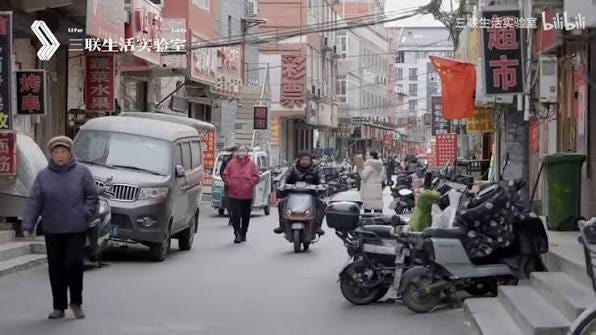
今年4月,中国《三联生活周刊》旗下的“三联生活实验室”推出纪录短片《2026中国外卖员生存报告》,采访了穿梭于北京大街小巷的多名外卖员,记录当下这一群体的生存境况。随后,《生存报告》被勒令全网下架。
外卖员是中国城市中再常见不过的群体——是什么让这样一个劳动群体的生活记录,在中国也变成了禁忌?6月12日,国际劳工组织通过了全球首部有关平台经济体面劳动的公约,中国代表团投下了赞成票。在缺乏劳工对话机制的中国,这对中国外卖员的生存状况,会产生正面影响吗?
1. 外卖员收入在下降,超时劳动和对健康的摧残依然
外卖行业是中国人灵活就业的“新铁人三项”(即“快递、外卖、网约车”)之一。媒体近日报道,中国灵活就业已到关键的规模拐点,2025年从业人员2.8亿,预计2026年将达3.2亿人。这个数据来自“中国新就业形态研究中心”上周发布的一个报告——《2025中国蓝领群体就业研究报告》。
近年来,“中国经济低迷”成了很多人的共识,而《生存报告》聚焦外卖行业从业者的就业、收入等具体状况,可以看作是中国经济境况的一个切片式呈现。当下的外卖从业者是否还能“生存”?《生存报告》给出的答案是肯定的。就如一位受访者所说:“外卖还是可以赚钱的,只要你愿意付出体力和健康。”
受访者中,有一位“单王”,在2025年11月曾拿到一个月17000元的“高薪”,但这是极其个别的现象,其他受访的骑手,最高月薪七、八千元,最低则只有三、四千元。这些数字和中国总人口的收入相比较并不算低——国务院前总理李克强曾在2020年的全国两会上称,中国有6亿中低收入及以下人群,月人均可支配收入仅约1000元人民币(不过这里的收入并非单指个人工资,而是指”可支配“的钱),但考虑到北京的高生活成本,外卖员的这个收入,对普通蓝领劳动者来说,只能是“还过得去。”
同时,中国外卖员这份并不高的月收入,付出的代价是超长时间的劳动,以及对健康的摧残。受访的全职外卖员,每天都要工作十几个小时,大部分人,每周连一天的休息时间都没有。虽然有的外卖员提到了“灵活就业”的自由,但对大部分外卖员来说,这份收入是全家赖以生存的经济来源,所谓的“灵活性”,其实不是外人理解的“自由”,而是为了生存,在激烈竞争之下,不断无休止地“超时劳动”。
另外一个真相是:外卖员的收入,几乎必须依靠在路上的冒险。《跑外卖:一个女骑手的世界》的作者王晚在《生存报告》中接受采访时说道,“但凡是一个送外卖的,基本上都会闯红灯。”为了生存,为了多挣一点,外卖员为什么宁愿冒违反交通规则可能带来的生命危险?事实是:骑手们看起来是自主选择接单,但其实都是被外卖平台的算法控制的,包括接单、送餐路上的时间,精确到每一分秒。而关于平台的算法,早在2020年,《人物》的深度报道《外卖骑手,困在系统里》一文,就提到:外卖平台严格限时,使得外卖员不得不抄近道、逆行、闯红灯,许多外卖员由此付出了健康甚至生命的代价。如今,六年过去了,平台算法对外卖员的压迫,不但没有解决,较几年前,反而变本加厉。
《生存报告》中受访的外卖员,也普遍指出,现在的收入不如以前。一位做了八年的外卖员说,新冠疫情前(也就是2020年前)他跑一单可以挣十几元,而现在很多时候只有三、四块一单,“明年打死都不干了”。多名外卖员表示,激烈的竞争下,订单“辛苦又不挣钱”。一个外卖员的一个订单显示,一小时的车程,只有6.5元的收入。
外卖单价的减少,一方面是由于外卖行业的竞争——选择灵活就业的外卖员越来越多了——为什么灵活就业的人越来越多了,这将需要更详实的经济分析,但肉眼可见的是,更多人没有工作了——那些十年前在工厂和建筑工地上干活的农民工,和如今一些毕业即失业、找不到工作的大学生们,都转去了外卖。而另一个原因可能是,伴随着人们消费能力的下降,选择外卖服务的顾客也在减少。
在竞争激烈、收入下降的背景下,外卖行业的劳动权益保障这个老问题,似乎更加无解:作为低门槛的“灵活就业”,外卖员没有劳务合同,也几乎没有任何集体协商的渠道。如今的外卖平台,往往也并不是直接的雇主,外卖员实际上是被层层外包的——这使得外卖员如果遭遇了工伤,连自己与平台的劳动关系都无法证明,基本上得不到有效的赔偿。
据中国劳工通讯的《中国外卖行业研究报告》称,一位在网络上发声,为骑手们争取权益的“盟主”,此前因涉嫌“寻衅滋事”而被拘留。在中国高度管控言论的背景下,这是一个清晰的现实——外卖员根本没有和平台议价的任何能力——他们没有发声渠道,也没有自主成立的工会,以及参与集体谈判的机制。
2. “流动性很强,但一直在底层流动”
《生存报告》中的一位外卖员说:“吃饭都是问题了,还担心命呢!”这位外卖员居住的地方,是位于北京昌平区城乡结合部的“外卖村”——于辛庄村。于辛庄村正是北京市政府前些年重点驱赶所谓“低端人口”的区域。《生存报告》指出,虽然人们经常能在媒体上看到高学历白领人士送外卖的新闻,但是绝大部分外卖员,依然是教育程度有限的农村外来务工人口。
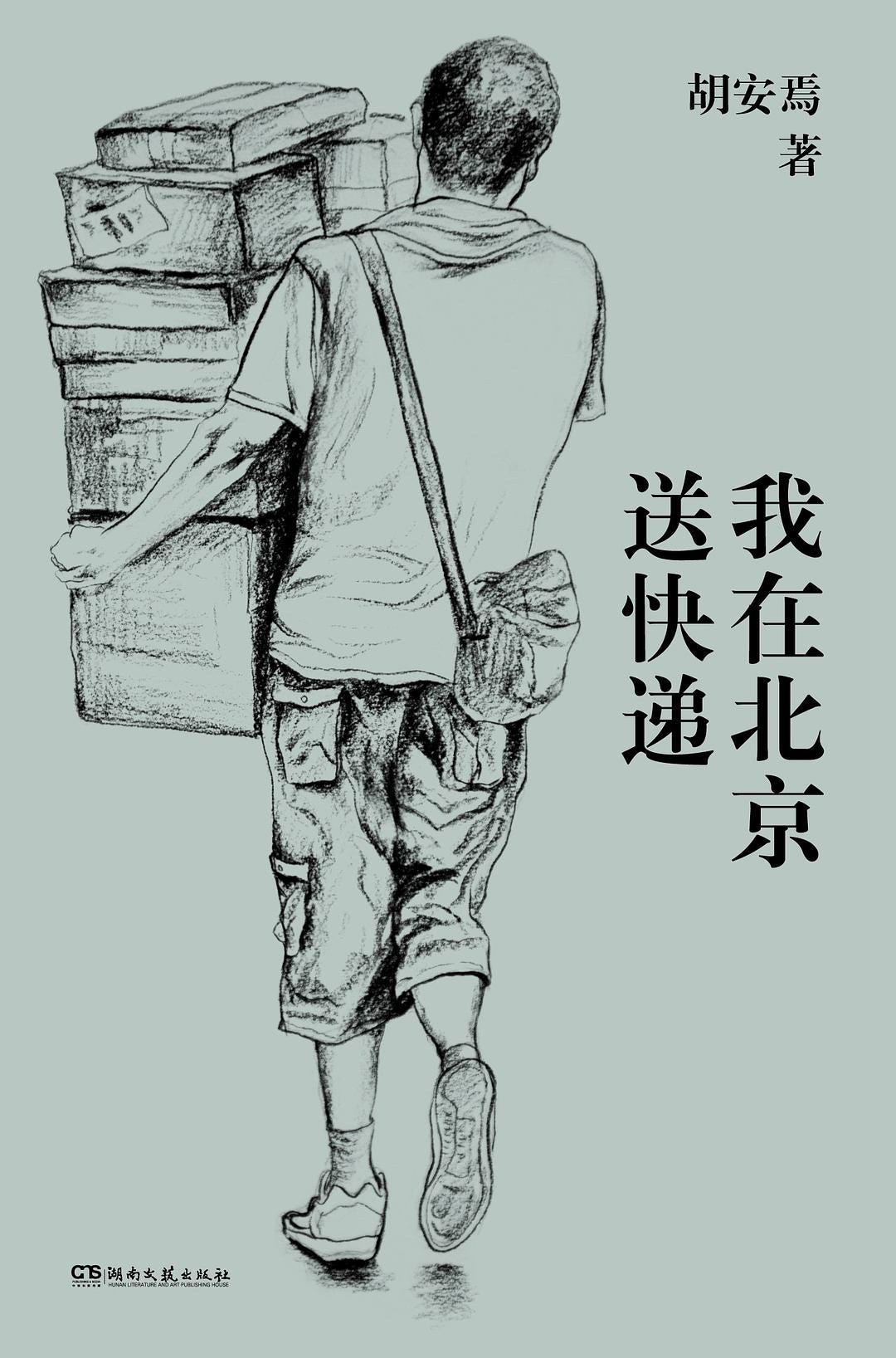
如果说,以前的外来务工者,和城市人群之间有着较深的隔阂甚至不可跨越的鸿沟,如今,随着网络经济和外卖行业的兴起——这些与城市中产的生活也息息相关,外卖行业在社会中的可见度其实在不断提高。中国的公共话语里,对外卖员的生存困境和系统性压迫,近些年已经不属于边缘的话题——从《人物》和《三联》的报道,到社会学的学术研究,再到几本有名的畅销书——如胡安焉的《我在北京送快递》,参与“新铁人三项”的打工者,已是中国城市生活不可或缺的组成部分。
2023年出版的《我在北京送快递》,是近年打工者自述中的代表作。作者没有做过外卖员,但他讲述了自己十几年来辗转全国多个城市打工的经历(“我在北京送快递”只是其中的一章)。他曾经做过便利店店员、保安、自行车店销售员,还做过服装店导购、加油站加油工、夜班拣货工人、快递员……《我在北京送快递》之所以能够登上各大畅销书榜,成为豆瓣2023年年度图书榜单第一名,并且出了英文翻译版,正是因为作者长期在社会底层打工的经历,就是亿万中国人在底层打拼的真实体验。
近年来中国经济下行,白领工作并不那么容易找到。《生存报告》在北京一所大学的校园中,采访大学生对外卖行业的观感,有的学生甚至认为外卖是“非常有前景的行业”,可以让面临“毕业即失业”的自己“至少不会失业”。这体现的不仅是年轻人对外卖行业的某种误解,也有大学生对自身就业前景的担忧。
外卖作为一种“过渡性”工作,是一小部分大学毕业生骑驴找马的选择。然而,对于大部分外卖员来说,外卖或其他形式的体力劳动是永久性工作,他们无法通过这个行业向中产跃迁,向上层流动几乎只能指望下一代,但外卖所得又很难支撑下一代所需的教育资源。正像曾经做外卖骑手的王晚所说:“底层的流动性还是比较强的。但是他一直在底层流动,干的永远是体力活。”
3. 平台经济的体面劳动,离中国还有多远?
外卖员困于平台、困于底层的现象,其实不仅限于中国,这也是“零工经济”时代下许多国家的“灵活就业”工种面临的挑战。然而,在中国,为什么单单讨论外卖员的困境,就能成为了一种禁忌?
近几年,对于中国经济,有两种截然不同的论调。一方面,中国科技发展卓越,最富裕的城市和省份人均GDP与西欧发达国家不相上下;另一方面,“躺平”、“内卷”、“卷不动了”等词汇在中国流行,再加上肉眼可见的中小企业的萧条,还有焦虑、失望的社会情绪,又反映着人们对经济状况的悲观。
在中国的人工智能和高科技企业发展叙事背后,隐藏着更多中国人的现实——即“灵活就业”者们的困境。《生存报告》的全网下架,表明了外卖员真实的生存处境,仍然是中国官方“脱贫”、经济发展乃至民族复兴等宏大叙事中,一股不和谐的存在。
乐观的态度——即经济学家凯恩斯所说的“动物精神”——也许可以在某种程度上帮助扭转中国经济的颓势,但悲观是《生存报告》的基调,这种悲观和官方主旋律先入为主的基调不同,是许许多多个劳动者,在最真实的经济生活中,自我经历、讲述并得出的结论。
《生存报告》中的一位外卖员说:“只有很勤劳的人,他才能干得下去这个外卖。”然而,中国人的勤奋、肯干,与中国所处的制度——政治制度、经济制度、社会制度——越发不匹配。一群群勤奋、实干的中国人只能永远被困在固定的系统里和固化的阶级中内卷——看不到游戏的尽头,看不到出头的希望,看不到上升的空间,但必须不断地参与到抢单的游戏中,才能不失去自己仅有的一点财富。
《生存报告》以集体性的叙事呈现出了与官方叙事的龃龉,这种龃龉因为互联网的扩音效果,引起了官方的警惕而被消灭。然而,已经有足够多中国人的切身经历,反映出了经济下滑的现实,人们甚至不需要媒体的报道,去接触到这种所谓“唱衰”中国经济的悲观态度。在中国的人工智能和高科技企业发展叙事背后,隐藏着更多中国人的现实——即“灵活就业”者们的困境。
中国劳工通讯2023年的《外卖行业研究报告》,记录了自2021年来十余起快递员、外卖员的罢工维权事件。近几个月,网络上也流传着东北的出租车司机大规模罢工,以及长沙外卖员集体示威的视频。可以看到,中国“灵活就业”的从业者们,也是对整体经济下滑最敏感的人群。
2026年6月12日,国际劳工组织通过了《2026年平台经济体面劳动公约》(第193号公约),中国代表团投下了赞成票。但正如人权观察家王松莲撰文指出,中国数以亿计的零工工作者,能否获得保障,关键不在于官方承诺,而在于他们是否有能够组织起来、表达和追责的权利。
而这个追究的对象,不仅包括平台,更包括政府。而在一个不到半小时的外卖员纪录片都会被下架的地方,这种追责的权利,看起来还遥不可及。
本期推荐档案:
三联生活实验室:《2026中国外卖员生存报告》(2026年4月)
中国劳工通讯:《中国外卖行业研究报告:政策难追平台侵权速度 官方工会仍陷形式主义》(2023年4月)
《人物》:《外卖骑手,困在系统里》
【本文为中国民间档案馆首发,转载时请务必在正文之前注明“本文首发于中国民间档案馆”,并加上原文在中国民间档案馆网站或者中国民间档案馆Substack的链接。】
【作者观点不代表中国民间档案馆立场。】

Running for Survival: Is Decent Work Out of Reach for China’s Delivery Riders?
By Yu Fei
In April, “Sanlian Life Lab” under Sanlian Life Weekly in China released a short documentary titled 2026 China Food Delivery Riders Survival Report that documented the condition of food delivery riders moving through Beijing’s streets and alleys. But soon after it came out, the Survival Report was censored across the Chinese internet, though backups exist both inside and outside China’s Great Firewall (including on China Unofficial Archives).
Food delivery riders are one of the most common groups in Chinese cities—what is it that has turned the documentation of such people into something taboo? On June 12, the International Labour Organization adopted the world’s first convention regarding decent work in the platform economy, and the Chinese delegation cast a vote in favor. In China, where dialogue mechanisms are lacking, will this have a positive impact on the survival conditions of Chinese delivery riders?
1. Are Chinese food delivery riders earning more money or less?
The food delivery industry is one part of China’s “new triathlon of flexible employment” (the others are courier services and ride-hailing). Some studies estimate that the number of China’s gig workers—mainly engaged in order-taking, dispatching, and platform-based labor—reached approximately 280 million in 2025 and will reach 320 million in 2026.
In recent years, China’s economic downturn has become a widely shared consensus, and the Survival Report, by focusing on employment and income conditions of food delivery workers, can be seen as a cross-sectional snapshot of China’s economic situation.
Can food delivery workers still “survive” today? The Survival Report says yes, but as one interviewee put it: “(Making money) from food delivery is still possible, as long as you are willing to exhaust your physical strength and sacrifice your health.”
In terms of monthly income, a top earner interviewed in the Survival Report earned 17,000 yuan in November 2025. Others had a maximum monthly salary of 7,000–8,000 yuan, and the lowest earned only 3,000–4,000 yuan. These figures do not appear low compared with the income of China’s overall population (former premier Li Keqiang stated in 2020 that the average monthly income of China’s “600 million low-income population” was about 1,000 yuan) and could be comparable to the average disposable income of over 7,000 yuan per month in Beijing, but the Survival Report reveals issues besides money.
First, the relatively acceptable monthly income of food delivery riders is earned through extremely long working hours and at the cost of health. The full-time riders interviewed work more than ten hours a day, and some do not take a day off each week. Although some riders mention the flexibility of gig work, for most people who rely on full-time delivery work to support their families, this flexibility is also a major cause of overwork.
Second, riders’ income almost entirely depends on risk-taking while on the road. Wang Wan, the author of Riding Food Delivery: The World of a Female Rider, said in an interview in the Survival Report: “Basically, every food delivery rider runs red lights.” In order to survive and earn a bit more, riders—“even though they know their personal safety is seriously threatened, they have no choice.”
This “no choice” scenario exists because riders appear to independently choose orders, but in reality they are controlled by the platform’s algorithms, including order assignment and delivery time, calculated down to the minute. Regarding platform algorithms, as early as 2020, China’s People magazine published an in-depth report titled “Food Delivery Riders, Trapped in the System.” That report pointed out that strict platform time limits force riders to take shortcuts, drive against traffic, and run red lights, causing many riders to suffer health damage and even lose their lives. Now, six years later, algorithmic pressure on riders has not only not been resolved but has intensified compared to a few years ago.
Riders interviewed in the Survival Report also generally pointed out that current income is lower than before. A rider with eight years of experience said that before the COVID-19 pandemic, he could earn more than ten yuan per order, while now it is often only 3–4 yuan per order. “Even if I have to die, I won’t do this next year.” Many riders said that under intense competition, orders are “hard work but not profitable.” One rider’s app showed a food order that would take one hour to deliver but only pay 6.5 yuan.
The decline in per-order prices directly leads to a decrease in riders’ income. One reason is competition in the food delivery industry—more and more people are choosing gig work. Why more people are choosing gig work requires more detailed economic analysis, but one direct conclusion is that more people are unemployed—migrant workers who used to work in factories and construction sites ten years ago, as well as university graduates who cannot find jobs after graduation, have turned to food delivery. Another less direct reason may be that, as people’s purchasing power declines, fewer people choose food delivery services.
Besides intense competition, the long-standing issue of unprotected labor rights in the food delivery industry is also contributing to the adverse working conditions of food delivery workers. These riders lack legal protection through labor contracts and have almost no channels for collective bargaining.
A 2023 report by China Labor Bulletin, “Research Report on China’s Food Delivery Industry,” discusses this issue. The report points out that platform employment models have long evolved from directly hiring riders to multi-layered outsourcing—meaning there are now several layers between riders and the platform as the actual employer. This prevents riders from proving an employment relationship with the platform in the event of workplace injury and also prevents them from receiving effective compensation.
According to the report, an informal labor leader who spoke online to advocate for riders’ rights was previously detained on suspicion of “picking quarrels and provoking trouble.” In the context of China’s highly controlled speech environment, this reflects a clear reality—riders have no bargaining power with platforms at all—there is no channel for expression, and even if they join officially established unions, there is no mechanism for collective bargaining.
2. “Mobility within the bottom”
A rider in the Survival Report said: “Even eating is a problem, why worry about life?” Food delivery riders, unable to prioritize safety and health and long trapped in the platform survival system, also reflect the social status of this group. The Survival Report shows viewers a “delivery village” located in the urban-rural fringe of Changping, Beijing—Yuxinzhuang Village. Many “Beijing drifters” gathered there are precisely the so-called “low-end population” that the Beijing government previously focused on removing. The Survival Report explicitly states that although the media often highlighted highly educated white-collar workers delivering food, the vast majority of riders are still rural migrant workers with limited education.
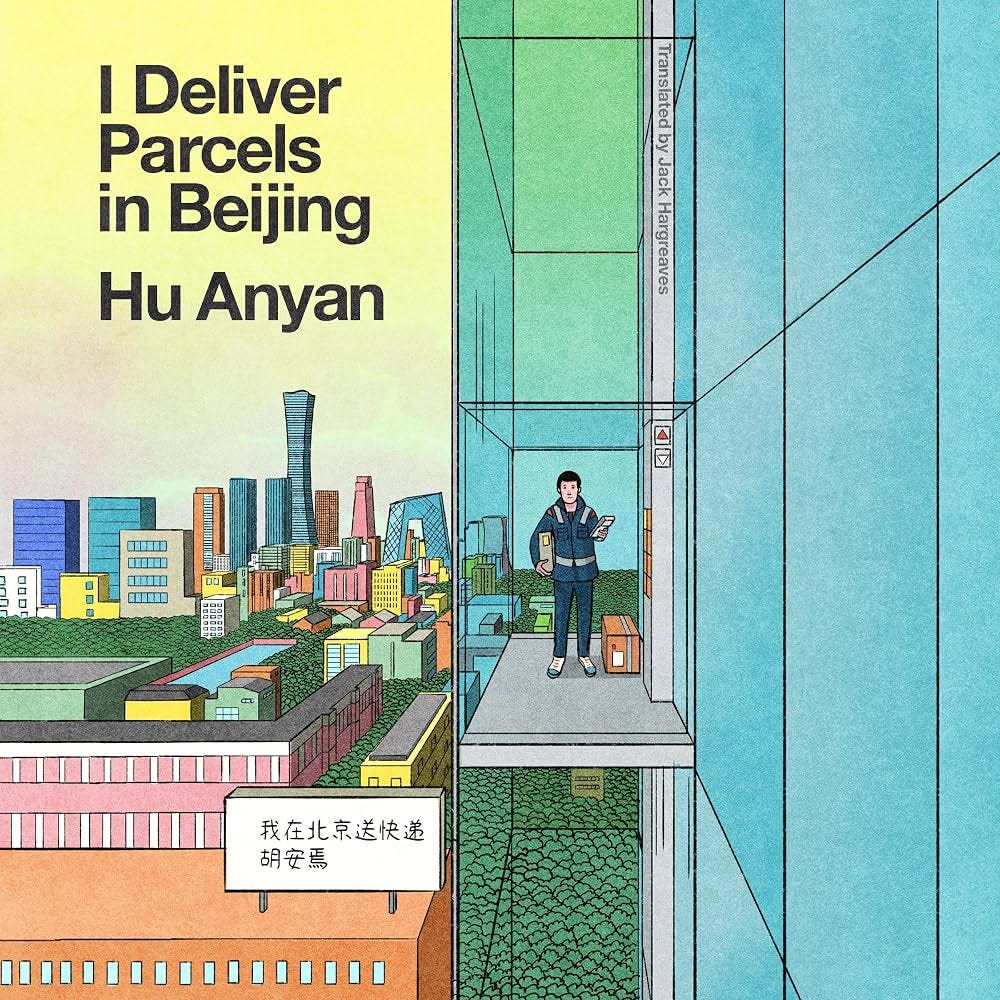
If in the past there was a deep divide or even an unbridgeable gap between migrant workers and urban residents, today, with the rise of the internet economy and the food delivery industry—because these jobs are closely tied to urban middle-class life—the visibility of the food delivery sector in society has actually increased. In Chinese public discourse, the survival struggles and systemic pressures faced by riders have in recent years no longer been a marginal topic—from reports by People and Sanlian, to sociological academic studies, to several well-known bestselling books such as Hu Anyan’s I Deliver Parcels in Beijing—workers in the “new triathlon of flexible employment” have become an indispensable part of urban life in China.
The 2023 book I Deliver Parcels in Beijing is a typical example of recent worker memoirs. Although the author never worked as a food delivery rider, he describes more than ten years of working experiences across multiple cities in China (“I Deliver Parcels in Beijing” is only one chapter in the book). He worked as a convenience store clerk, security guard, bicycle shop salesperson, clothing store assistant, gas station attendant, night-shift picker, courier, and more.
The reason I Deliver Parcels in Beijing became a bestseller, topping Douban’s 2023 annual book rankings and even having an English translation, is precisely because the author’s extensive experience working at the bottom of society reflects the real experience of hundreds of millions of Chinese people struggling on the margins. As China’s economy has declined in recent years, even urban middle-class people who do not need to struggle so intensely have begun to faintly see reflections of their own potential downward mobility.
The Survival Report interviewed college students on a university campus in Beijing about their perception of the food delivery industry; some even believed it was a “very promising industry” that could at least ensure they would “not be unemployed” in the face of what many Chinese people now call “graduation equals unemployment.” This reflects not only young people’s misunderstanding of the food delivery industry, but also anxiety about their own employment prospects.
Food delivery as a transitional job is a short-term option for a small number of graduates while they search for better opportunities. However, for most riders, food delivery or other forms of manual labor are permanent. They cannot move into the middle class through work, and upward mobility largely depends on their offspring. Yet income from food delivery is hardly sufficient to support the educational resources required for the next generation. As former rider Wang Wan said: “There is still quite a lot of mobility at the bottom. But it is always mobility within the bottom; what people do is always physical labor.”
3. How far is China from “decent work in the platform economy”?
The phenomenon of riders being trapped by platforms and trapped at the bottom is not unique to China; it is also a challenge faced by many countries in the era of the gig economy. However, in China, why has merely discussing the plight of food delivery riders become taboo?
In recent years, there have been two sharply contrasting narratives about China’s economy. On one hand, China’s technological development is outstanding, and the per capita GDP of the wealthiest cities and provinces is comparable to developed Western European countries, providing reasons for optimism. On the other hand, the popularity of terms such as “lying flat” and “involution”, along with visible stagnation of small and medium-sized enterprises, as well as public anxiety, disappointment, and even despair, reflect a certain pessimistic view of the economic situation. Individual living and survival conditions often serve as a reflection of broader economic conditions.
The most direct expression in the Survival Report is its title itself—the word “survival.” Only talking about “survival,” without considering “life,” is not truly “living,” yet being unable to change this reality is the true predicament of food delivery riders. The censorship of the Survival Report shows that the real living conditions of riders remain an uncomfortable contradiction within China’s official grand narratives of poverty alleviation, economic development, and national rejuvenation.
An optimistic attitude—perhaps the Keynesian “animal spirits”—may to some extent help ease China’s economic stagnation. But pessimism is the tone of the Survival Report, and this pessimism differs from the pre-set tone of official mainstream narratives; it comes from the lived experiences of many workers in real economic life, as they personally experience and articulate it.
A rider in the Survival Report said: “Only very hardworking people can keep doing food delivery.” However, the diligence and hard work of Chinese people is increasingly mismatched with China’s political, economic, and social systems. Groups of diligent Chinese workers are trapped within fixed systems and rigid class structures, endlessly caught in internal competition—unable to see hope for advancement, unable to see upward mobility, yet forced to keep participating in the game just to avoid losing what little they possess.
The Survival Report presents a collective narrative that conflicts with official narratives. This conflict, amplified by the Internet, has triggered official scrutiny and has been censored. However, enough lived experiences of Chinese people already reflect the reality of economic decline, and people do not even need media reports to encounter this so-called pessimistic narrative about China’s economy.
The 2023 report by China Labor Bulletin documents more than a dozen strikes and rights-defense incidents involving couriers and food delivery riders since 2021. In recent months, large-scale taxi driver strikes in Northeast China and collective demonstrations by food delivery riders in Changsha have also circulated online. Although the reasons for these protests differ, China’s gig workers, as the social group most sensitive and vulnerable to economic decline, have begun to question the official optimistic narrative of economic development and the broader discourse system.
On June 12, 2026, the International Labour Organization adopted the first global convention on decent work in the platform economy, with the Chinese delegation voting in favor. However, as human rights observer Maya Wang has pointed out, whether hundreds of millions of gig workers in China can receive protection does not depend on official commitments, but on whether they have the right to organize, to speak, and to hold power accountable. This accountability is not only toward platforms, but also toward the government. And in a place where even a 30-minute documentary can be taken down, such accountability still appears far out of reach.
Recommended archives:
Sanlian Life Lab: 2026 China Food Delivery Riders Survival Report (April 2026)
China Labour Bulletin: China Food Delivery Industry Research Report: Policy Lags Behind Platform Exploitation; Official Unions Still Symbolic (April 2023)
People Magazine (China): “Food Delivery Riders, Trapped in the System”
[This article first appeared in China Unofficial Archives. When reposting, please ensure that the following is included at the beginning of the reposted text: “This article was first published by the China Unofficial Archives,” accompanied by a link to the original article on the China Unofficial Archives website or Substack.]
[The views expressed by the author of this article do not necessarily reflect the position of the China Unofficial Archives.]
https://youtu.be/QRW0bwgDmTg
Link leads to documentary with english CC
Thank you for this article, as usual.
So negatively interesting that the paranoid CCP banned thie documentary--typical of the Criminal Chinese Party.