

“7·5事件”之后的新疆:窄途 ,以及一代被摧毁的知识分子
Xinjiang After July 5: A Narrow Road

作者:伊莎贝尔·莫
By Isabelle Mo
本文原文为英文。
The English original follows below.
编者按:17年前,2009年7月5日,新疆乌鲁木齐发生了震惊世人的“7·5事件”。事件发生后,一代维吾尔族知识分子,包括记者、歌手、诗人、学者等致力于用维吾尔语构建公共领域的人,遭受残酷的镇压,而这个数字至今不为外界所知。作家Isabelle ·Mo为中国民间档案馆撰写的这篇文章,对此做了梳理。其中《狭窄的小路》是惨死的歌手米尔扎特的一首歌,如今寓意着“7·5”事件及镇压之后,新疆维吾尔族人再也难以回去的生活,以及那个世界。
2009年8月2日,维吾尔族歌手米尔扎特·阿里木离开了位于乌鲁木齐的家,随后杳无音讯。两天后,人们在附近街道一辆停放的汽车内发现了他的遗体。他的头上被套了一个黑色塑料袋,一只眼睛突出,遗体上有疑似棍棒殴打的痕迹。死亡时,他年仅43岁。
中国官方的法医鉴定称,米尔扎特·阿里木死于心脏病,但他的家人拒绝接受这个结论。根据当年8月24日自由亚洲电台维吾尔语部的报道,他的家人要求对 米尔扎特·阿里木的死因进行独立调查。但三天后,因为当局巨大的压力,家人不得不同意安葬他的遗体。8月7日星期五,他的葬礼在乌鲁木齐延安路的吉格德里克清真寺举行。葬礼前的一场祈祷仪式,有四、五千名哀悼者参加。当送葬的人群离开清真寺时,被十多辆警车包围。最终,在武警和军人的环绕中,人们一起前往墓地——从那以后至今,他的家人一直被噤声,不能公开谈论他的死因。
其实阿里木不是记者,也不是政治评论员,他只是一位歌手。他的表演饱含情感,善于将悲伤的心绪化为优美的音乐,所以深受维吾尔族观众的喜爱。据自由亚洲电台当时的报道,他失踪的当晚,曾给一位朋友打电话,说目睹了一些可怕的事情,武警正在追捕他,话还没说完,他的电话就断掉了。
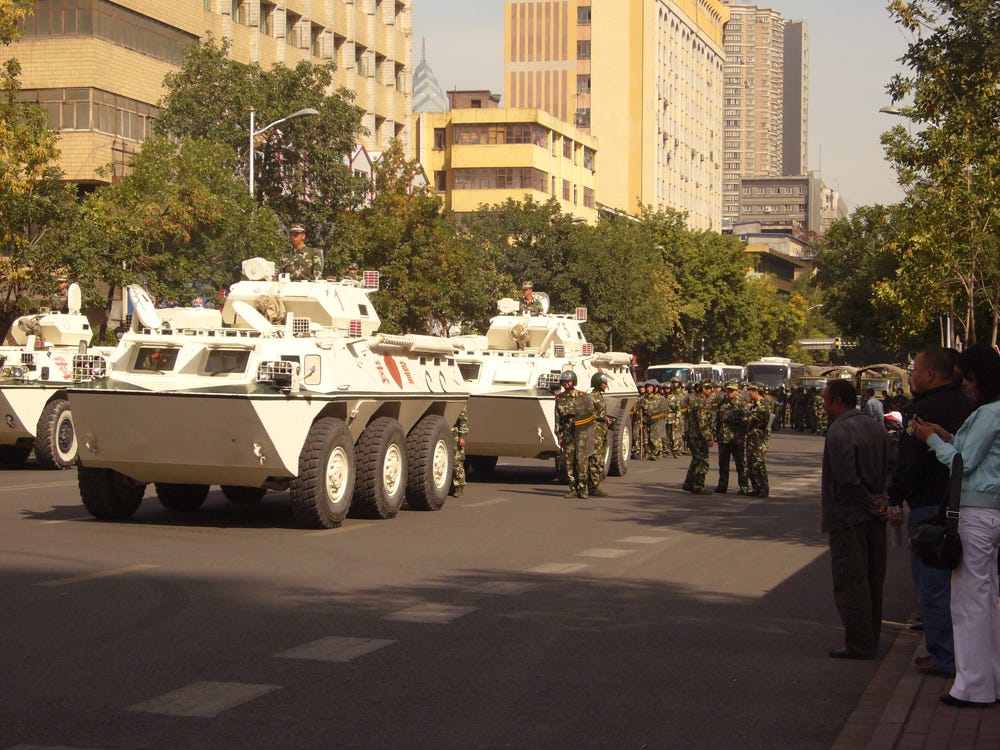
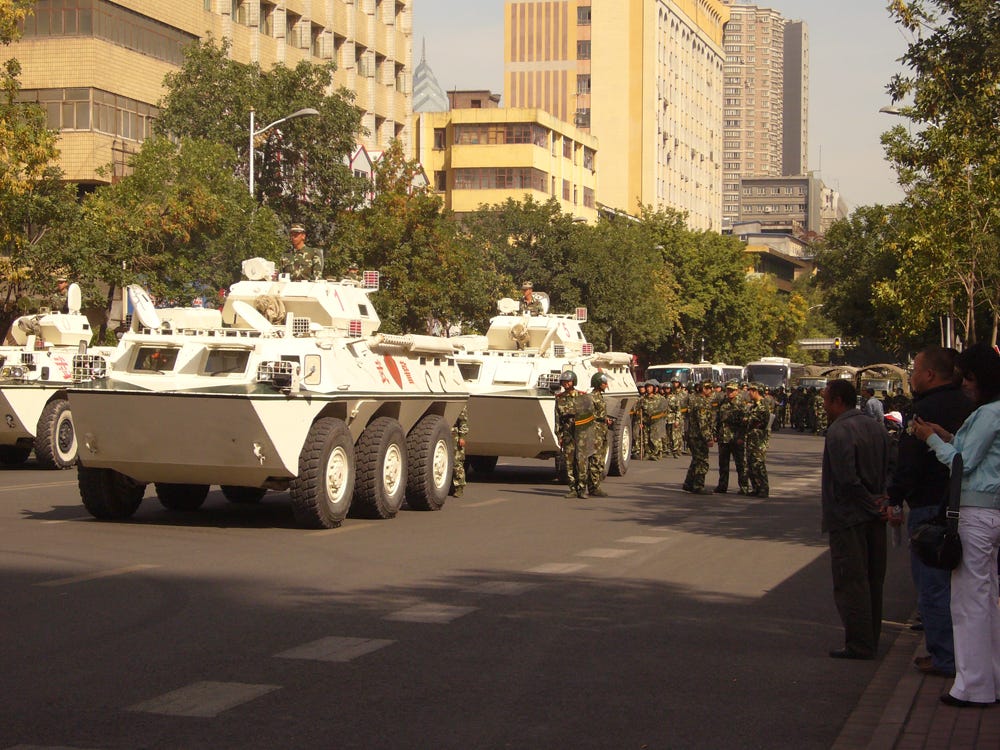
阿里木死于新疆“7·5事件”之后不久——7月5日当天,一场基于种族的暴力(中国的常见说法是“民族冲突”)席卷了乌鲁木齐,这被称之为“7·5事件”。中国官方宣布,这场冲突造成了包括汉族和维族在内的 197 人死亡,1700 多人受伤——不过长期以来,维吾尔族组织一直对这些数字持有异议。
无可争议的一个事实是,“7·5事件”最终促成了一场大镇压:不仅仅是针对那些被指控参与了暴乱的人,也针对整整一代维吾尔族的记者、网站管理员、音乐家,以及知识分子——“7·5事件”爆发之前的那些年,他们一直在用自己的母语构建出一个公共领域。对此,任教于乔治城大学的历史学家詹姆斯·A·米尔沃德(中文名米华健),曾在发表于《中亚调查》Central Asian Survey 的一篇文章中,将2009年7月5日描述为一个分水岭——从这一天开始,中国政府对新疆的政策,再没有回头。
7月5日
“7·5事件”爆发的直接导火索,出现在6月26日。当时,在中国南部城市韶关的一处工人宿舍,维吾尔族工人性侵汉族妇女的谣言开始迅速传播,并引发暴力冲突,两名维吾尔族工人死亡。当相关的图片和消息传至新疆时,那些因长期存在的歧视、经济不平等,以及政府对宗教和文化生活的限制而压抑着的不满爆发了。7月5日下午,维吾尔族民众聚集在乌鲁木齐市的人民广场,要求政府对事件展开调查。夜幕降临之际,这场原本和平的示威活动,演变为该地区数十年来最严重的民族暴力事件。
那几个小时究竟发生了什么?至今仍存在争议。中国当局强调,当时民众袭击的目标是汉族平民,而维吾尔族组织则记录了随后的安全镇压和报复性暴力事件。那之后,整个地区的通讯被切断长达数月,国际记者面临严格的限制,无法报道真实情况。17年过去了,今天,“7·5事件”的真相和关键信息,依然成谜。
因预警而被抓的人
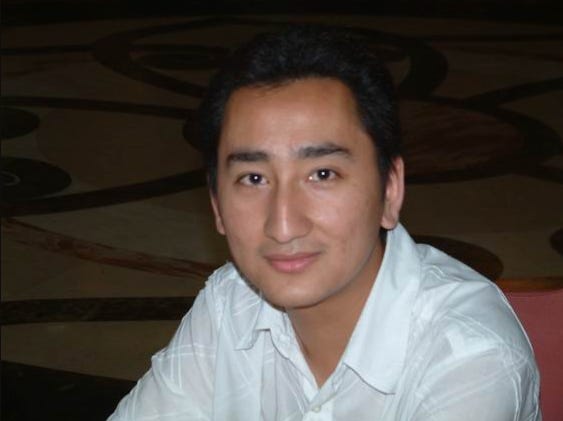
当时,一位年轻的维吾尔人决心让外界了解事态的真相及其发展,他就是买买提江·阿卜杜拉。这位32岁的新闻系毕业生,当时是中国国家广播电台的维吾尔语频道播音员和编辑。7月5日的抗议活动爆发前几天,他曾悄悄联系外国记者,说一场和平示威活动正在筹划中,但他担心,这场示威活动可能会演变成暴力事件。他说,当局可能会放任局势的恶化。买买提江对与外国媒体交谈的风险心知肚明,他也清楚,自己的行为在中国非常“敏感”,但他还是这么做了。他判断,情况复杂,事态即将朝着一个可能造成毁灭性后果的方向发展。
7月5日,当数百人聚集在广场开始示威时,买买提江向此前他联系过的外国记者发送了照片和视频素材。这些素材,也是最早出现在国际媒体上的照片和视频之一。由于他的警告,使得记者们在当局实施全面限制、实际上封锁该地区与外界联系之前,赶往新疆。
买买提江与外国记者的交流并非出于政治目的,也并不是为了塑造某种特定的叙事。那些收到他信息的记者们,至今记得,他和大家一样,最关心的点只是——如果有大事发生,那人们不应该在事前和事后毫不知情。
此前,买买提江为世界维吾尔代表大会翻译过关于韶关事件的声明,并将其发布在他利用业余时间管理的维吾尔语网站上。这后来也成了他的罪名。
“7·5事件”两个月后,这位年轻的记者被捕了。2010年4月,乌鲁木齐中级人民法院在对其秘密审判后,以分裂国家、泄露国家秘密,以及组织非法示威等罪名,判处了买买提江无期徒刑。2010年12月,自由亚洲电台、纽约时报等都对此进行了报道。2024年,身穿囚服的买买提江,出现在中央电视台一部关于“7·5骚乱”的纪录片里。据新疆受害者数据库显示,他目前被关押在伊犁哈萨克自治州的希霍监狱(Shikho prison)。对买买提江的判决,是“7·5”事件后对记者最严厉的刑罚之一。
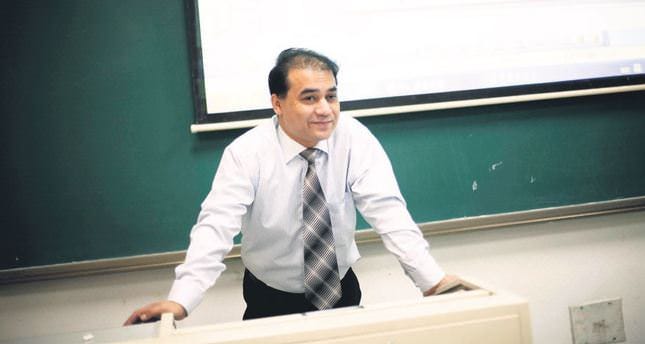
买买提江并非孤例。另一位受人尊敬的记者,前官方媒体《新疆法制日报》的副主编海莱提·尼亚孜,多年来一直倡导维吾尔族和汉族之间的对话,批评分裂主义暴力,也批评他认为加剧民族分裂的政府政策——这一切都无济于事。他因“危害国家安全”被判处了15年有期徒刑;维吾尔族网站“萨尔金网”(Salkin)的管理员古丽米拉·依明,被判处了无期徒刑;另一个维吾尔族网站“迪亚里姆”的创始人迪尔沙特·帕尔哈特,被判处5年有期徒刑。沙布南网站的站长尼扎特·阿扎特,则被判处10年有期徒刑。另一位萨尔金网站管理员努尔利被判3年。所有这些审判,均不公开进行,当时也未引起国际社会的广泛关注。
另一位在骚乱后镇压中被抓的年轻维吾尔族记者兼博主,是当时34岁的尼亚兹·卡哈尔。他在骚乱发生三周后被抓,最终秘密审判,被以“宣扬维吾尔族分裂主义”的罪名判处13年监禁。卡哈尔1975年出生于库尔木附近的一个村庄,曾在新疆大学学习文学,此后加入当地一家报社。他后来创办了维吾尔语网站“金色塔里木”(Golden Tarim),发表过有关维吾尔族历史、文化、政治和社会生活的文章。多年后,他的家人才首次公开谈及他的遭遇,他们最初以为他已在镇压中丧生,2010年才得知他被关在监狱。据自由亚洲电台2014年的报道,他在监狱中的健康状况恶化。在一次隔着玻璃板的15分钟电话探视中,他的母亲发现他明显变得消瘦和虚弱。
其实,这些网站本身并非反对派的媒体,它们只是以维吾尔语来发表文学作品,文化评论,以及一些关于社区的讨论和新闻信息——这种公共领域,在上一代人中几乎不存在。然而,伴随着7月5日之后,新疆全境的互联网接入中断数月,这些网站都消失了——它们的管理员则被投入监狱。
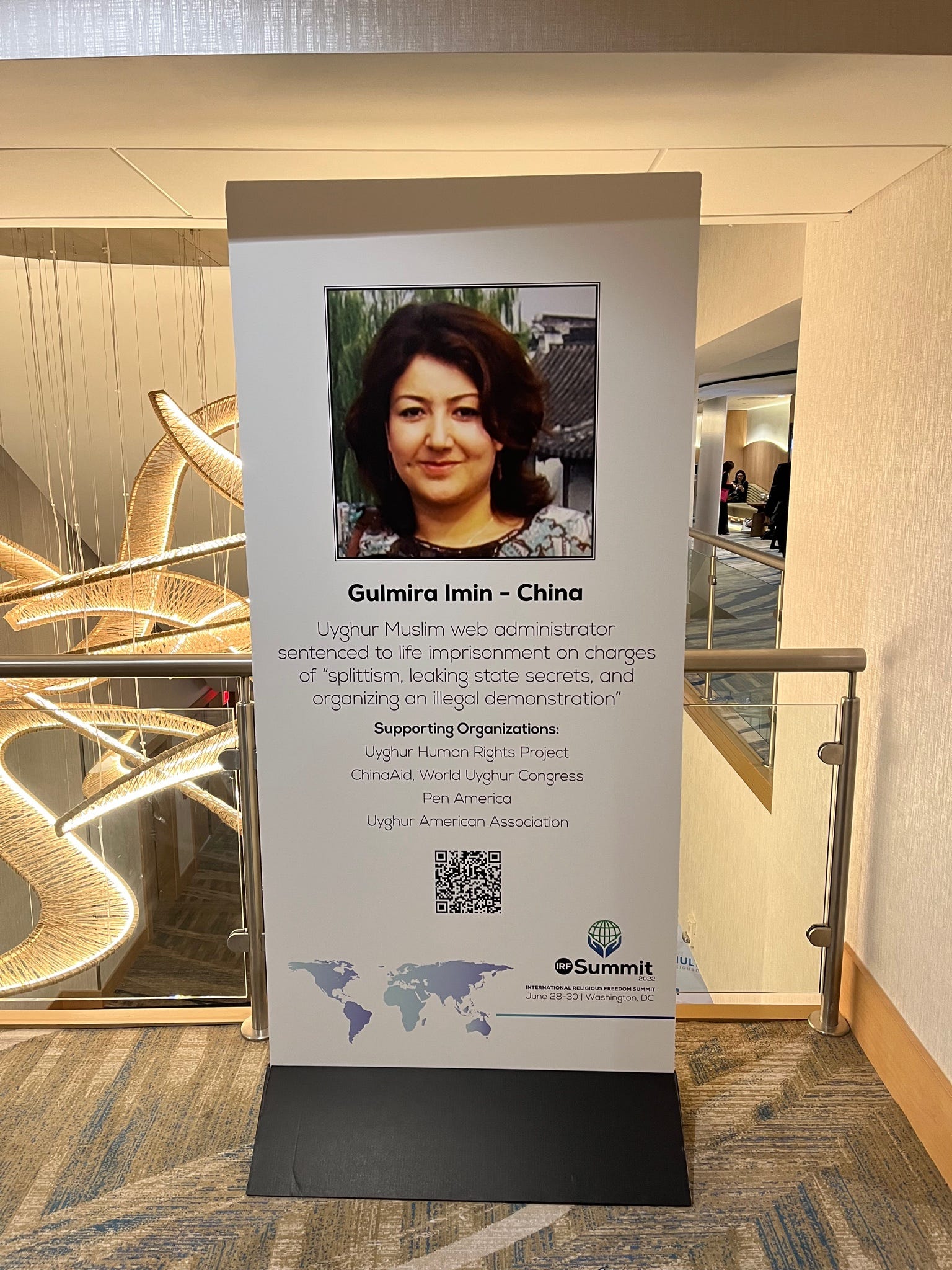
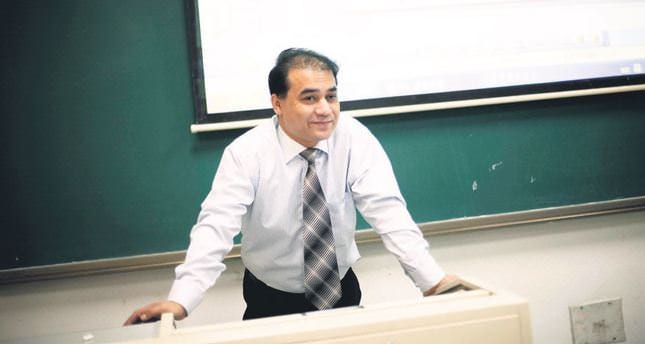
那段时期,最引人注目的受害者无疑是伊力哈木·土赫提,他是教授、经济学家,也是维吾尔族人的权利倡导者。2014年,他被判处无期徒刑。然而,伊力哈木以外,还有很多被捕者从未出现在国际媒体的视野中——他们是学者、艺术家、网站管理员、广播员,很多情况下,他们也是新疆与外部世界之间的桥梁。他们是那一代维吾尔人中最有才华的知识分子。然而,今天,他们中的大多数人都被遗忘了。
《塔尔·科恰 》:一条狭窄的道路
死去的歌手米尔扎特·阿里木,最著名的录音作品是《塔尔·科恰》(Tar Kocha),翻译成中文,意思是“狭窄的小路”。改编自一首诗,作者是诗人、民族音乐学家兼乐器演奏大师亚辛·穆克斯普尔。然而,这首歌之所以名扬天下,并非歌词本身,而是阿里木的音乐诠释。这种关系,类似于智利诗人巴勃罗·聂鲁达与音乐家维克多·哈拉,或是洛尔卡(西班牙文学巨匠)与伊瓦涅斯(西班牙音乐家):诗人谱写诗篇,歌手赋予其新的生命。阿里木保留了歌曲的细腻情感,着重描绘了乡愁、记忆和对故土的眷恋。
谁说你狭窄?一个完整的世界蕴藏于你之中。
歌中这样唱道。这里描绘的狭窄小路,指的是蜿蜒穿过的小巷,这是传统的维吾尔族居民区——在外人看来狭小的空间,却是人们心中一个完整的世界:童年、家庭、集体记忆、日常生活的点点滴滴。人类学家杰伊·道彻认为这首诗非常重要,并因此将其放入了他的民族志作品——《走在狭路上:新疆一个村庄维吾尔男性的身份、性与变迁》Negotiating the Narrow Path: Identity, Sexuality, and Change among Uyghur Men in a Xinjiang Village(哈佛大学出版社,2009年)。他认为,对维吾尔人来说,这首诗事实上颠覆了一种局外人的视角:看似渺小的事物,蕴含着一切。
2009年之后,喀什老城开始大规模拆迁,这首歌的意义也随之加深。许多维吾尔人后来回首,来才将这首歌视为一首哀悼逝去世界的挽歌,以及对他们的生存环境日益狭窄的一个隐喻。如同许多维吾尔族的文化表达形式一样,它的意义不仅在于直白的言辞,更在于暗示的方式——通过隐喻和层层递进的潜台词,来传达信息。
米尔扎特的死曾被藏族作家唯色记录,后来被米尔沃德引用。世界维吾尔代表大会将他列入一张名单——其中包括了“7·5”后遇害或遭袭的一系列维吾尔族文化名人。
除此之外,关于他的死,相关信息其实很少,目前只有自由亚洲电台的一篇报道,一篇学术期刊的脚注,以及一个倡导组织的声明。多年来,新疆实行的信息管制,使得对这些信息的独立核实工作异常困难。而这种可靠信源和档案的匮乏,本身就是事实的一部分。
新疆是中国面积最大的省级行政区,也是独立报道最难进入的地区之一。尽管新疆具有重要的地缘政治意义,且民族众多,但获取当地有关非汉族群体(特别是维吾尔族、哈萨克族、柯尔克孜族等)日常生活的可靠信息,如今正变得越来越困难。对记者、研究人员和国际观察员的严格限制,加上无处不在的监控,以及当地居民与外国媒体交谈所面临的风险,使得独立调查无法在当地大部分地区进行。如今,随着全球关注点转移到乌克兰、伊朗、以及加沙战争和其他地区的冲突,新疆逐渐淡出了国际视野。
2009年7月5日之前,新疆拥有充满活力的维吾尔文化圈,自20世纪80年代改革开放以来,这个文化圈发展迅猛。维吾尔语的报刊杂志发行,大学培养相关的历史学家、语言学家和民族音乐学家,音乐学院保存并教授维吾尔族传统音乐。十二木卡姆古典音乐的传统,已被联合国教科文组织认定为人类非物质文化遗产。作家、音乐家和学者创作了大量作品,这些作品既反映了当地传统,也反映了该地区沿着丝绸之路的悠久交流历史。
7月5日之后的大多数打击目标,并非传统意义上的异见人士。他们在国家机构内部工作——在官方电台广播、在持牌报纸上发表文章、在大学任教。他们相信维吾尔文化可以通过学术研究和艺术实践得以传承。
他们的名字值得铭记:歌手米尔扎特·阿里木;记者买买提江·阿卜杜拉;评论员海莱提·尼亚孜;诗人兼网站管理员古丽米拉·依明;还有迪尔沙特·佩尔哈特;尼贾特·阿扎特。他们被逮捕并非孤立事件,而是席卷新疆各地的、镇压知识分子行动的一部分。如今,人权组织和一些倡导新闻自由的机构,记录了大量此类案件,但真实规模仍难以确定——许多拘留和失踪事件,从未被公开承认过。
从中也可以看到,这种对知识分子、艺术家的镇压,其实镇压的是那些唱歌、写作、出版作品,维系着维吾尔社会与其自身,以及外部世界联系的人。
到2017年,当大规模拘禁事件的报道引起国际社会持续关注时,新疆地区的大部分独立文化生活,其实已被摧毁殆尽。随后全球关注的讨论,主要是围绕卫星图像、人口估算和法律定义展开。但至今,究竟有多少人被拘禁仍存在争议。一百万?两百万?这些数字固然令人震惊,但因为信息的封锁,并无法说明这些人究竟是谁。
《塔尔·科恰》这首歌,至今仍在海外维吾尔人中广为传唱。对许多维吾尔人来说,歌名的含义早已超越了字面含义:它不仅指一条狭窄的小路,其实更象征着一条狭窄的道路——一种受限的生活,一种黯淡的未来。这首歌哀悼的并非一个国家的消亡,而是一条街道、一个街区、一种生活方式的逝去。或许正因如此,它才得以流传至今:并非作为一种政治宣言,而是作为它所描绘的那个世界曾经存在的证据。
附录:歌曲《狭窄的小路》(歌词从英文版翻译而来)
我睁开双眼,
来到这世间,
便看见了你美丽的容颜——
狭窄的小路。
如同依偎在慈母的怀抱,
我紧紧依恋着你,
而你温柔地拥抱着我——
狭窄的小路。
当我沿着你
缓缓走过你,
我的目光永远也看不够你——
狭窄的小路。
谁能说你狭窄?
一个完整的世界蕴藏于你之中,
野罗勒盛开的芬芳弥漫其间——
狭窄的小路。
你满溢着千百位
温柔母亲的慈爱,
你的爱将我的心点燃——
狭窄的小路。
无论我身在
巴黎,还是伊斯坦布尔,
我的灵魂都燃烧着对你的思念——
狭窄的小路。
你是生我养我的母亲——
狭窄的小路。
你是将我抚养成人的母亲——
狭窄的小路。
你守护着无数
充满希望的男孩和女孩,
你是一片美丽而令人深爱的土地——
狭窄的小路。
【本文为中国民间档案馆首发,转载时请务必在正文之前注明“本文首发于中国民间档案馆”,并加上原文在中国民间档案馆网站或者中国民间档案馆Substack的链接。】
【作者观点不代表中国民间档案馆立场。】
Xinjiang After July 5: A Narrow Road
By Isabelle Mo
On August 2, 2009, the Uyghur singer Mirzat Alim left his home in Ürümchi and did not return. Two days later, his body was found inside a parked car on a nearby street. By then it had begun to decompose. A black plastic bag had been placed over his head. One eye was protruding. His body bore marks consistent with having been beaten with clubs. He was 43 years old.
Government forensic doctors concluded that Mirzat Alim had died of a heart attack, a finding his family rejected. According to a report published by the Uyghur exile website Vetenim on August 24, 2009, and later relayed by Radio Free Asia’s Uyghur Service, relatives kept his body for three days, demanding an independent investigation into the cause of death before agreeing to bury him under pressure from the authorities. The same report states that his funeral prayer was held on August 7, after Friday prayers at Jigdilik Mosque on Yan’an Road. It further claims that between 4,000 and 5,000 mourners attended and that, as the procession left the mosque, more than ten police vehicles surrounded the crowd before armed police and soldiers escorted the mourners to the cemetery.
His family has never been permitted to speak publicly about his death.
Alim was neither a journalist nor a political commentator. He was a singer, celebrated by Uyghur audiences for the emotional depth of his performances and his ability to transform lived sorrow into music. According to the same Vetenim report, on the night he disappeared he called a friend and said he had witnessed something horrifying and that armed police were chasing him. The line went dead mid-sentence.
His death came in the weeks following July 5, 2009 — the day ethnic violence engulfed Ürümchi and left, by official count, 197 dead and more than 1,700 injured. Uyghur organizations have long contested those figures. What is beyond dispute is what the violence made possible: a crackdown that targeted not only those accused of participating in the unrest, but an entire generation of Uyghur journalists, webmasters, musicians and intellectuals who had spent years building a public sphere in their own language. Georgetown historian James A. Millward has described July 2009 as a watershed — the moment Xinjiang policy entered a phase from which it never turned back.
July 5
The immediate trigger had come five weeks earlier. On June 26, rumors accusing Uyghur factory workers of sexually assaulting Han Chinese women spread through a dormitory in the southern city of Shaoguan, provoking violent attacks that left two Uyghur workers dead. Images and accounts reached Xinjiang, where longstanding discrimination, economic inequality and restrictions on religious and cultural life had already generated deep resentment. On the afternoon of July 5, Uyghurs gathered in People’s Square in Ürümchi demanding an investigation. By nightfall, the demonstration had become the deadliest outbreak of ethnic violence in the region in decades.
Exactly what unfolded during those hours remains contested. Chinese authorities have emphasized attacks on Han civilians. Uyghur organizations have documented the security crackdown and retaliatory violence that followed. Communications across the region were severed. International journalists faced strict restrictions. Seventeen years on, key aspects of the events remain unresolved.
Early Warnings
One person determined to ensure the outside world understood what was unfolding was Memetjan Abdulla. At 32, the journalism graduate worked as a broadcaster and editor for the Uyghur-language service of China’s state-run National Radio. In the days before the protests, he quietly reached out to foreign journalists, warning that a peaceful demonstration was planned but that he feared it could descend into violence. He said the authorities would allow the situation to spiral. Abdulla understood the risks of speaking to the foreign press and knew the political sensitivity of his actions, but insisted that, because of what he described as “complicated issues,” events were about to unfold in a way that would have devastating consequences.
On July 5, as hundreds gathered in People’s Square for what began as a peaceful demonstration, Memetjan started sending photographs and video footage to the foreign journalists he had contacted in the preceding days. His images were among the first to reach the international media. His warnings also prompted correspondents to travel to Xinjiang before the authorities imposed sweeping restrictions that effectively sealed the region off from outside reporting.
Memetjan’s exchanges with foreign journalists were not acts of political advocacy. Nor did they seek to shape a particular narrative. Those who received his messages recall a single overriding concern: that whatever was about to happen should not unfold unseen.
He was also cited for having translated a World Uyghur Congress statement about the Shaoguan killings and reposted it on Salkin, a Uyghur-language website he helped manage in his spare time.
The young journalist was arrested two months later. In April 2010, following a closed trial at the Ürümchi Intermediate People’s Court, he was sentenced to life in prison on charges of separatism, disclosing state secrets and organizing an illegal protest. Radio Free Asia reported the sentence in December 2010, citing an unnamed witness present at the trial. The World Uyghur Congress confirmed it through contacts in the region. In 2024, Memetjan appeared in a Chinese state television documentary about the July 5 riots, wearing a prison uniform. According to the Xinjiang Victims Database, he is currently held at Shikho Prison in the Ili Kazakh Autonomous Prefecture. If accurately reported, his sentence ranked among the harshest imposed on any journalist in the aftermath of July 2009.
He was not alone. Gheyret Niyaz, another respected journalist and former deputy editor of the state-run Xinjiang Legal Daily, had spent years advocating dialogue between Uyghurs and Han Chinese, criticizing both separatist violence and government policies he believed deepened ethnic divisions. It made no difference. He was sentenced to fifteen years for “endangering state security.” Gulmira Imin, an administrator of Salkin, received life. Dilshat Perhat, founder of the Uyghur website Diyarim, received five years. Nijat Azat, webmaster of Shabnam, received ten. Another Salkin administrator, Nureli, received three. All trials were closed. None attracted significant international attention at the time.
Another young Uyghur journalist and blogger swept up in the wave of detentions was Niyaz Kahar, who was 34 at the time of his arrest. Following the July 2009 unrest in Urumqi, he was sentenced to 13 years in prison on charges of “promoting Uyghur separatism.” Arrested three weeks after the riots, Kahar was tried behind closed doors, and his family was not permitted to attend the proceedings. Born in 1975 in Yokuri Aqyer, a village near Kumul (Hami), Kahar studied literature at Xinjiang University from 1994 to 1999 before joining a local newspaper. He later founded the Uyghur-language website Golden Tarim, which published articles on Uyghur history, culture, politics, and social life. Kahar’s family first spoke publicly about his case in 2014, according to reports by Radio Free Asia. The family initially believed he had been killed during the post-riot crackdown and did not learn until the following year that he had been imprisoned. During prison visits, relatives found him noticeably thinner and physically weakened. According to Radio Free Asia, his health continued to deteriorate in custody.
The websites themselves were not opposition organs. They published literature, cultural commentary, community debate and news in Uyghur — the kind of public sphere that had barely existed in the language a generation earlier. After July 5, internet access across Xinjiang was severed for months. The sites disappeared. Their administrators went to prison.
The most prominent casualty of that period is with no doubt Ilham Tohti, the professor, economist and advocate for Uyghur rights, sentenced to life in prison in 2014. But behind his name stand many others who never reached the international press — scholars, artists, webmasters, broadcasters, people who were, in many cases, the bridge between Xinjiang and the outside world. Some of the most gifted intellectuals of their generation. Most of them were forgotten.
Tar Kocha — a Narrow Road
Singer Mirzat Alim’s best-known recording was “Tar Kocha” — a Narrow Road or Narrow Path. The poem was written by Yasin Muxpul, a poet, ethnomusicologist and master instrumentalist. What made it famous, however, was not the text itself, but Alim’s musical interpretation. The relationship resembles that of Pablo Neruda and Víctor Jara, or Federico García Lorca and Paco Ibáñez: the poet supplied the words; the singer gave them a second life. Alim preserved its intimacy, emphasizing nostalgia, memory and attachment to homeland.
“Who can call you narrow? An entire world is contained within you.”
The narrow path evoked in the poem refers to the small lanes that wind through the mahalla, the traditional Uyghur neighborhood. What outsiders might perceive as a cramped space was experienced by its residents as a complete world: childhood, family, collective memory, the texture of everyday life. Anthropologist Jay Dautcher considered the poem sufficiently important to place it at the opening of his ethnography Down a Narrow Road: Identity and Masculinity in a Uyghur Community in Xinjiang China. Its famous refrain, he argued, reverses the outsider’s gaze: what appears small contains everything. The song’s significance deepened after 2009, when large-scale demolition began transforming Kashgar’s Old City. Although Tar Kocha predates those events, many Uyghurs came to hear it retrospectively as an elegy for a disappearing world—and as a metaphor for how narrow their lives were becoming. Like much Uyghur cultural expression, its meaning resided as much in suggestion as in explicit words, conveying its message through metaphor and layered subtext.
Alim’s death was documented by the Tibetan writer Tsering Woeser and later cited by Millward. The World Uyghur Congress named him among a series of prominent Uyghur cultural figures killed or attacked in the aftermath of the violence. Beyond those accounts: a Radio Free Asia dispatch, a footnote in an academic journal, a statement from an advocacy organization. The information controls imposed across Xinjiang made independent verification extraordinarily difficult. That scarcity of documentation, reliable sources, archives is itself part of this story.
Xinjiang, China’s largest provincial-level administrative division by land area, remains one of the country’s least accessible regions for independent reporting. Despite its geopolitical significance and ethnic diversity, reliable information about the daily lives of its non-Han communities—particularly Uyghurs, Kazakhs, Kyrgyz and others—has become increasingly difficult to obtain. Tight restrictions on journalists, researchers and international observers, together with pervasive surveillance and the risks faced by local residents who speak to foreign media, have left much of the region beyond independent scrutiny. As global attention has shifted to successive crises—from the wars in Ukraine, Iran and Gaza to conflicts elsewhere—Xinjiang has gradually faded from the international spotlight.
Before July 5, 2009, Xinjiang was home to a vibrant Uyghur cultural sphere that had expanded significantly since the reform era beginning in the 1980s. Uyghur-language newspapers and magazines circulated, universities trained historians, linguists and ethnomusicologists, and conservatories preserved and taught the Twelve Muqam, the classical musical tradition recognized by UNESCO as part of the Intangible Cultural Heritage of Humanity. Writers, musicians and scholars produced a growing body of work that reflected both local traditions and the region’s long history of exchange along the Silk Roads.
Most of those targeted after July 5 were not dissidents in any conventional sense. They worked inside state institutions — broadcasting on official radio, publishing in licensed newspapers, teaching at universities. They believed Uyghur culture could endure through scholarship and artistic practice
Their names deserve to be remembered: singer Mirzat Alim; journalist Memetjan Abdulla; commentator Gheyret Niyaz; poet and webmaster Gulmira Imin; Dilshat Perhat; Nijat Azat. They were not isolated cases but part of a campaign that swept up writers, journalists, academics and cultural figures across Xinjiang. Human rights organizations and press freedom groups have documented scores of such cases, though the true scale remains difficult to establish — many detentions and disappearances were never publicly acknowledged.
What the documented evidence makes clear is the pattern. A crackdown that targeted artists, intellectuals, people who sang, wrote, published and kept Uyghur society connected to itself and to the outside world.
By 2017, when reports of mass internment drew sustained international attention, much of the region’s independent cultural life had already been dismantled. The global debate that followed centered on satellite imagery, population estimates and legal definitions. How many people were interned remains contested. One million. Two million. The figures convey magnitude. They do not say who those people were.
“Tar Kocha” is still widely played by the diaspora. For many Uyghurs, the title has come to mean something beyond the literal: not just a narrow street, but a narrow road — a constrained life, a diminished future. The song does not mourn the loss of a state. It mourns a street, a neighborhood, a way of life. That may be why it endures: not as a political statement, but as evidence that the world it describes once existed.
Appendix: The Lyrics of “Tar Kocha”
English translation:
Narrow Road
My eyes opened
I came into the world
And saw your beautiful face
narrow road
Like to my dear mother’s breast
I clung to you
And you embraced me
narrow road
When I pass along
the length of you
I could gaze upon you forever
narrow road
How can they call you narrow
an entire world is within you
The fragrance of wild basil blooming
narrow road
Overflowing with the kindness of a
thousand sweet-tempered mothers
Your love sets me aflame
narrow road
Whether I find myself in
Paris or Istanbul
My soul is a bonfire of longing for you
narrow road
You are the dear mother who bore me
narrow road
You are the mother who raised me
narrow road
Protector of so many promising young
girls and boys
You are a beautiful and beloved land
narrow road
Tar Kocha (Uyghur with Latin transliteration)
köz echip
alemge törelgende men
xu güzel hösningge bakhtim
tar kocha
jan anamning baghridek
baghringgha men
khanmidim, baghrimni yakhtim
tar kocha
boyliringdin ötkenimde
herkhachan
telmürüp toymay kharaymen
tar kocha
kim seni tar deydu
khoyning bir jahan
gül chichek reyhan puraysen
tar kocha
sende xushxuy
ming anining mehri jem
shunga men ishkhingda yandim
tar kocha
meyli parizh meyli
istanbulda men
séghinish khelbimde gülkan
tar kocha
méni tughkhan jan anamsen
tar kocha
meni östürgen anamsen
tar kocha
shunche berna khiz-yigitke
pasiban
bir güzel dilber makansen
tar kocha
[This article first appeared in China Unofficial Archives. When reposting, please ensure that the following is included at the beginning of the reposted text: “This article was first published by the China Unofficial Archives,” accompanied by a link to the original article on the China Unofficial Archives website or Substack.]
[The views expressed by the author of this article do not necessarily reflect the position of the China Unofficial Archives.]
太悲哀了,like不下去
歷史上和動物界都能夠證明不同物種之間能夠和平共處,也擁有足夠資源讓大家都活下去,但是人類是自己都不相信自己