
林昭苏州难友黄政:不为人知的孤勇先驱,他的灵魂已化为自由
Lin Zhao’s Co-Defendant Huang Zheng: An Unknown yet Courageous Thinker

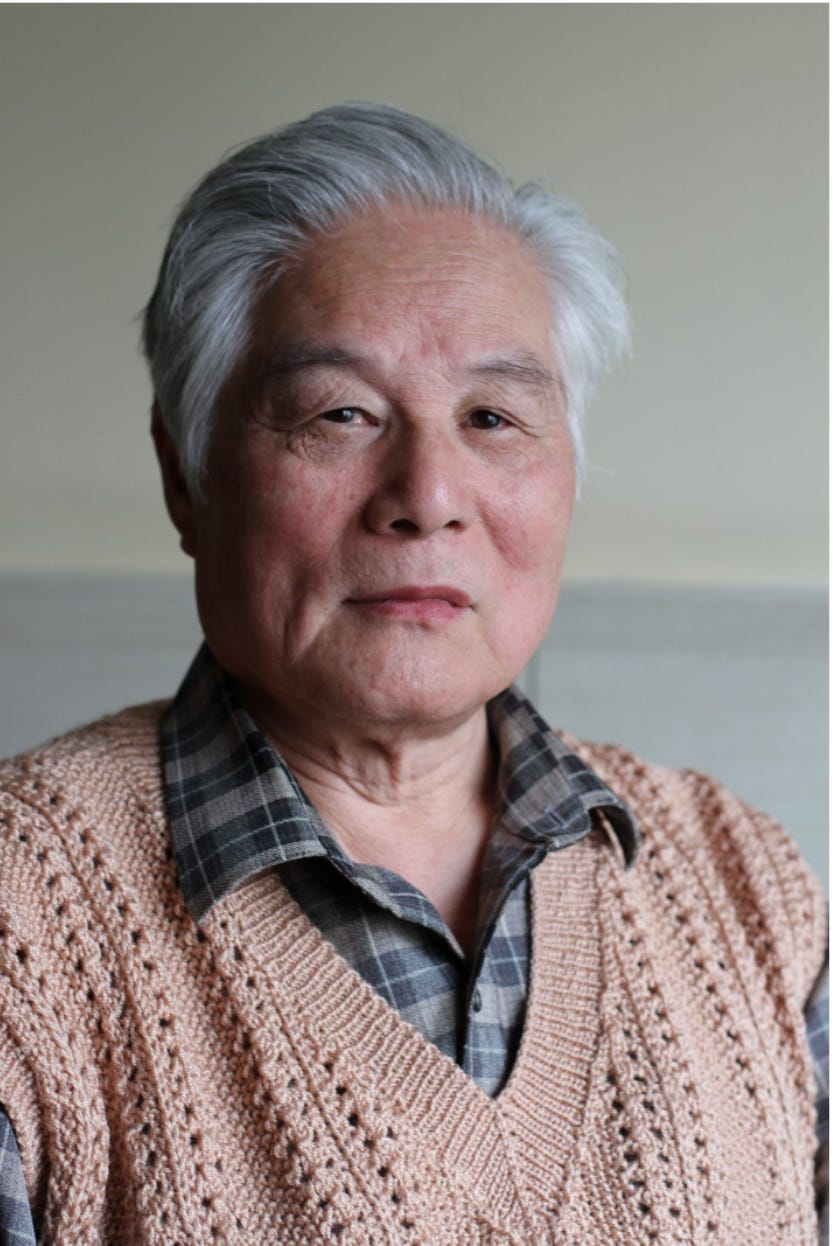
作者:何义
By He Yi
The English translation follows below.
编者按语:
1962年9月的苏州,林昭与27岁的黄政相遇。通过深入的交流,两人确认彼此志同道合,以林昭为主,他们共同拟定了《中国自由青年战斗联盟纲领》等三份文件,提出八条主张,认为中国应该实行“总统制、军队国家化、发展民主、引进外资”等……这些观点,可谓石破天惊。1962年11月林昭被收监,1963年10月黄政被捕,林昭于1968年4月29日遇害。黄政熬过15年的刑期,再经历6年多的申诉,直至1985年底,才获得平反。
2025年9月29日,黄政在苏州溘然长逝。2026年清明,艾晓明教授编辑了《黄政纪念集》,纪念这位远非如林昭那样知名的同案难友。中国民间档案馆独家刊载这份档案,同时刊发何义所写的评论文章,作为林昭罹难58周年纪念。
1962年3月,因《星火》案牵连而被捕的林昭,得到保外就医的机会。夏秋之交,她在苏州逗留期间,认识了劳教农场释放回来的青年黄政。他们有过20多天的深度交流,两人共同策划成立“中国自由青年战斗联盟”,并制定了纲领和行动计划。同年11月,林昭被再次关押,黄政保存了她的手稿。1963年10月2日,黄政起草并刻印了《给统治者的一封公开信》,以及《告人民大众书》。由于公安机关早已安插线人,黄政次日被抓捕,并先于林昭被判处15年徒刑。
今天,林昭已成为中国人反抗极权、为自由献身的代表人物,而她的同案难友黄政的名字却很少被人知晓。很多关心中国当代政治反抗史的读者,也不熟悉黄政与林昭在苏州的这段案情。2025年9月29日,黄政在苏州离世,享年90岁。感谢艾晓明教授先后发出讣告、访谈和纪念文章,由此我才知道黄先生仙逝和他的独特经历。
黄政,出生于1935年,比林昭小三岁,祖籍安徽砀山,1950年考入华东军政大学,随后参军入伍,到朝鲜参战,1955年回国。他的父亲黄尔恒曾任汪伪时期的地方警务官员,在肃反前夕被捕,羁押数年后瘐死。黄政因父亲问题受到影响,在部队中曾被隔离审查。1957年反右期间,黄政被打成极右分子,1958年送苏北农场劳教,在随后的大饥荒中死里逃生。1961年底他被释放后,曾回砀山老家,目睹了大跃进、大饥荒给安徽农村带来的惨烈后果。1962年8月底,他经由友人朱红介绍而认识了林昭,两人在思想上产生了强烈共鸣,并开始策划联络同道,成立组织。在“星火”案同人全部系狱后,他与林昭开始了薪火相传的行动。
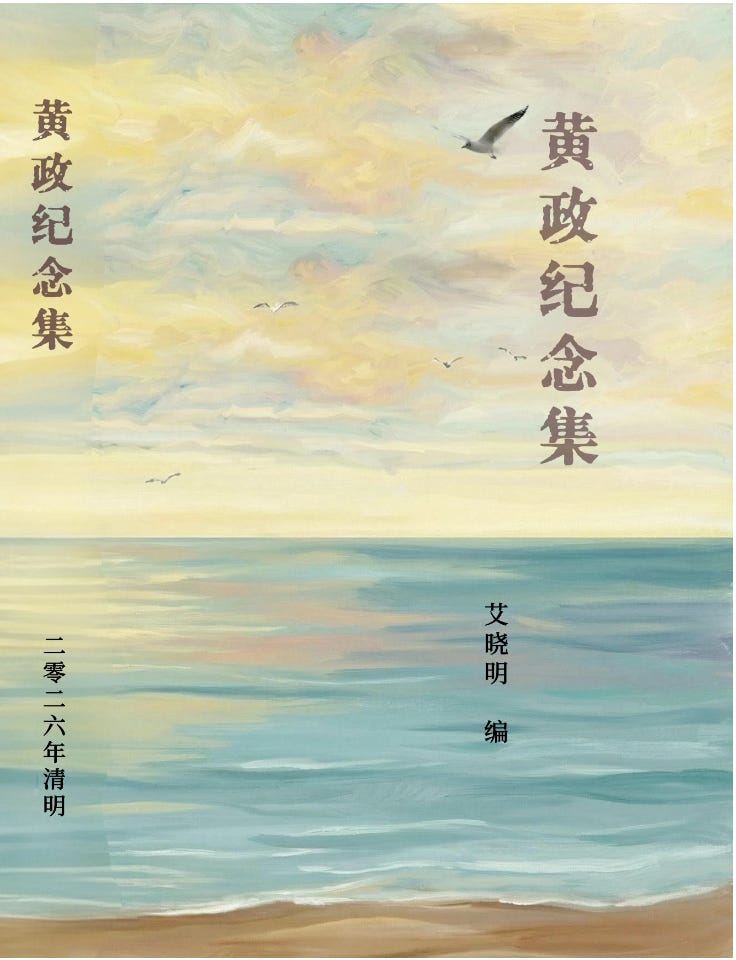
《黄政纪念集》的封面和封底,呈现了林昭的长诗《海鸥——不自由毋宁死》的意境。诗中的勇士挣脱镣铐,投身大海,最终化身为冲出水面的海鸥,它是林昭所讴歌的自由战士的象征。
纪念集分为三辑,分别为回忆、访谈与研究:第一辑收入了黄政生前回忆林昭的和讲述其冤案经历的两篇文章;第二辑为黄政在世纪之初和十多年前接受胡杰、艾晓明访问的实录;第三辑为艾晓明撰写的两篇研究文章,针对这个案子的特殊性和人物的独特经历,一篇讨论黄政冤案中所呈现的线人政治,第二篇为黄政家事寻踪,后者通过黄政的亲人以及家庭的历史,探讨了1950年代初期的政治运动对家庭的冲击。通过蒙冤者与其子女的命运,作者剖析了出身论的缘起及其荒谬性。
1. 林昭二次入狱前,在苏州发生了什么?
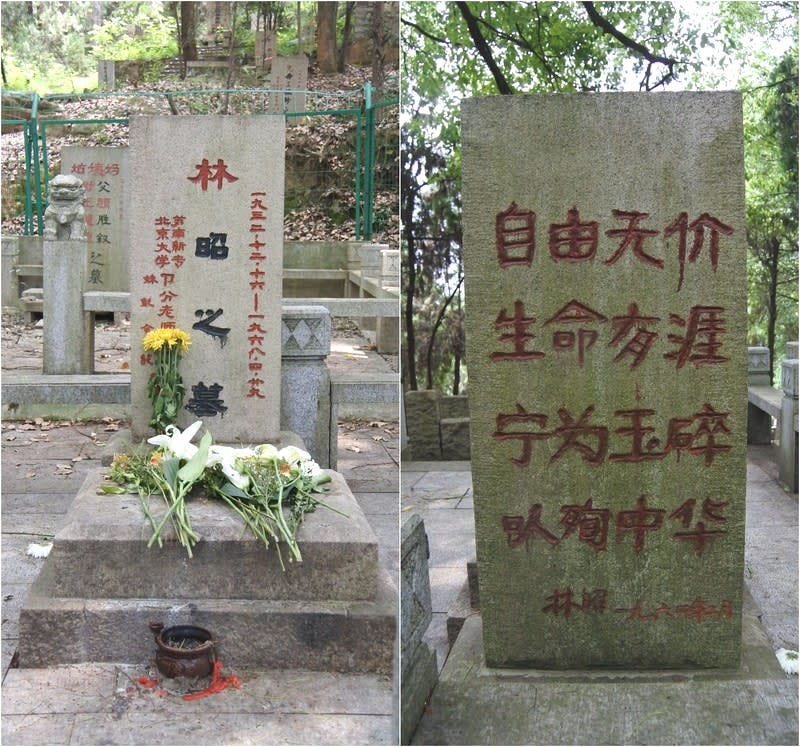
有关林昭1960年第一次入狱,中国民间档案馆2025年8月曾刊出的顾雁长文《“她走上了夏瑜的道路”——我与林昭》(上、下)里,讲的已比较清楚:林昭与《星火》案的主要人物有思想共鸣,但对涉及“纲领”、“组织”和“行动”时,她保持了一定的距离。也是因为这个原因,顾雁将1962年林昭在保外就医期间的政治活动,称之为“另起炉灶”。那么,林昭在这段时间,为什么会有这样一个看似激进的转向呢?从黄政写的纪念文章里,可以得到部分答案。
据黄政回忆,1962年8月间,他经难友朱红介绍,认识了在苏州居家养病的林昭。这时的黄政不止是反右的受害者,也是苏北劳教农场大饥馑劫难的幸存者;而林昭从狱中出来已有半年多。他们都经历了反右以后的现实苦难,也几乎同时成为失去父亲的儿女——林昭的父亲彭国彦1960年在女儿被捕后绝望自尽;黄政的父亲黄尔恒经过在1961年死于不明不白的长期羁押。
林昭与黄政都曾是献身共产革命的热血青年:黄政从军干校毕业后,即赴朝鲜参战;林昭原本是共产党的新闻教育培养出来的大学生。现实的打击令他们清醒,并自觉选择了反对者的立场。1962年9月7日以后,在大约二十天的时间里,以林昭为主,他们共同拟定了《中国自由青年战斗联盟纲领》、《行动计划》、《初期组织形式》三份文件。
《中国自由青年战斗联盟纲领》里,包括八项政治主张:
1. 国家应实行地方自治联邦制
2. 国家应实行总统负责制
3. 国家应实行军队国家化
4. 国家政治生活实行民主化
5. 国家实行耕者有其田制度
6. 国家允许私人开业,个体经营工商业
7. 国家应对负有民愤者实行惩治
8. 应当争取和接受一切友好国家援助
这些主张可谓切中时弊,文革结束后,有关市场开放、允许个体经营的主张已经得到尝试;而涉及民主政治的目标,即使在今天的中国,有些也仍然难以企及。由此可见,它在当时是具有强烈的预见性和挑战性的。比起林昭来,黄政与张春元一样上过战场,而他在农场和农村的亲身经历,更是林昭所没有的。在那样深重的劫难中幸存下来,黄政与林昭互相激励,他们亲自抄写了那几份文件,并且交换保存,以示同心协力,患难与共。
回到前面的问题:林昭何以从入狱前的思想者,在此时转变为政治反抗团体的发起人,成为直接行动者?阅读黄政的回忆和访谈记录,我认为,她是自觉地承担了《星火》同仁入狱前未尽之事。也可以说,她并不是如顾雁所说的另起炉灶,而是直面险境,前赴后继。正如艾晓明所说:“她的《星火》难友希望:既然释放了你,你要活下去。但对她来说,活下去却不是首要考虑;而证明独裁者错了,彻底错了,才具有最大的迫切性。这个迫切性超越了生存本身,因此,她不要苟活,她要解决当局不能这么做(错下去)的问题。”
上述八项主张中的一部分,也延续了《星火》同仁的观点。例如,张春元1962年在狱中的一份交待材料里,就曾写下他的观点:“按人重新分配土地,以田定产,以产定税,收入归己,废除统购,贸易自由。”同时,“对商业,我们主张在现有条件下……放宽一些商业经营的限制,主要是商贩和民用商业的限制,藉以繁荣市场和补助国营商业的不足。”很可能,他入狱前与林昭数次见面时,已经谈到这些观点。林昭虽然还没有决定加入《星火》的行动,但她完全赞同他们的观点。在《星火》同人的远见卓识被封禁扑灭时,她决定继承这份责任,使之抵达公众。
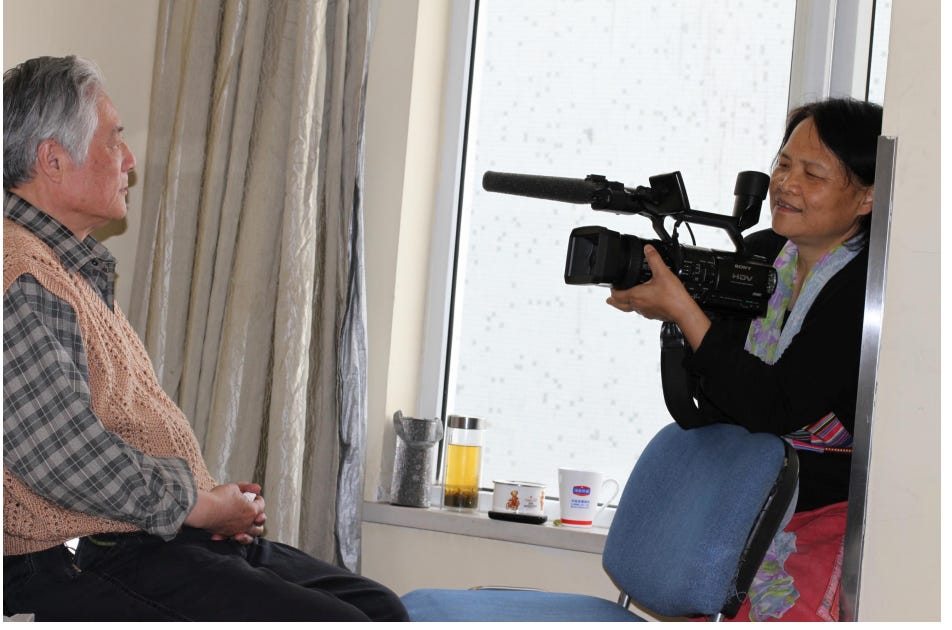
黄政的回忆,让我们得知林昭1962年保外候审期间的勇敢的思考。她在苏州时期的手稿和言行,成为新的“罪证”,使她在1965年被重判20年,黄政也以15年的生命时光为之服刑。晚年的黄政一直审慎地保存着对这些思想结晶的记忆,并在访谈中进行了阐述。艾晓明在她的访谈记录之前,加上了研究性的札记,她梳理了林昭-黄政冤案的形成过程;而胡杰的访谈更为深入,其中尤其重要的是黄政谈他入狱后的经历以及争取平反的艰难。两篇访谈在黄政生前从未发表,为的是使黄政晚年能享有基本的安宁,不至于再因为言论而被治罪。
2. 极权统治下的线人政治
在林昭与黄政的冤案中,有一位引人注目的人物,他就是朱红。朱红是一位诗人,1980年代因诗作的发表而声名鹊起;现在是知名的苏州地方志专家。在文革中,他曾被当作林-黄冤案中的“漏网之鱼”而受到迫害;但在黄政的回忆中,朱红是他的患难之交,也是亲自把他引入陷阱的人。
艾晓明《线人政治与诗人往事》这篇文章,对这场冤案中“三人行”展开了分析。她让我们看到极权政治中更为险恶和影响长久的悲剧:友情的蜕变和人性的耗损。难友利用友情来协从作恶,不仅颠覆了人伦常态,也给双方留下终生的阴影。通过对朱红的经历、诗作和当年政治环境的分析,作者呈现了底层右派小人物精神上的变形记。不同于一般曝光卧底者的文章,艾晓明将朱红表现出的这种屈服,归之于制度性后果,它是政治高压下的人格变异,也是政治迫害带来的创伤后遗症。
从《黄政纪念集》中,可以看出艾晓明研究当代社会史个案的方法特点。她注重收集史料,包括口述访谈、未曾发表的回忆录以及来自民间收藏的故纸。她因此能够以新颖的史料梳理出一个小人物的生命轨迹,让读者看到,一个时代的暴力如何将其扭曲。
朱红原本是黄政和林昭的好友,他与林昭有过诗的交流,他们写诗的风格不同,但彼此间也有读书人的惺惺相惜。因为朱红的回忆,我们才得以读到林昭的另一首长诗《美呵》。
艾晓明没有将线人的面貌脸谱化,她将侧重点放在国家机器摆布线人的机制运作上,她分析了控制线人的话语策略以及线人在制造冤案过程中所起的作用。从中可见,在“以阶级斗争为纲”的年代,“特情”是必不可少的办案工具,由各级线人织就的思想监控网络,给当事人和整个社会带来严重的后果:“线人利用师生、亲友关系,将人与人之间的珍贵连接转化为监控和政治迫害的形式,从而瓦解了人性的根基,败坏了道德操守。意识到线人的存在,人们必须互相防范,因此加剧了存在的孤立和原子化。而随着人际关系的恶化,原本脆弱的受害者再难找到心灵的庇护所,因而也更容易沦为牺牲。”
在这样的背景下,再来看朱红的诗作,诗人与社会、诗歌与政治的关系也就呈现出复杂交错的意义。艾晓明讲述了朱红的生活经历与其早年地下写作的风格,并将他的作品与林昭的诗作进行比较,从而说明,他们本来的关系是诗友和难友,至少也是同路人。但由于生存压力和制度性的操控,朱红当年做出了违背良心的选择。这使人们在重读他平反以后的诗作时,也有复杂的感受。一方面,朱红纪念林昭的诗篇,呈现了时代的变化和新的感悟;另一方面,联系到诗人当年的作为和林昭被枪杀的命运,也令人扼腕叹息诗人的道德失守,并反省文字的自我美化功能。这一切,并不是要对朱红本人进行道德审判,相反,作者肯定了朱红在回忆中自我解剖的文字;她更希望人们思考的是那些制度性的原因,在这个脉络下,我们才有可能提出,作为诗人,应该怎样坚守道德来应对政治的逼迫。
3. 寻回失落的亲情
1985年12月14日,经过漫长且几乎无望的申诉,黄政终于获得了无罪判决。之后,他同淑玉女士喜结连理,共同走过了后半生四十载岁月。婚后不久,他对妻子说:“我还有几个弟弟妹妹呢,我要找到他们。”经过十年寻访,1995年,他与失散的手足们终于在老家砀山团圆。此时,距离黄政的父亲黄尓恒含冤去世,已过去了三十多年。
从黄政与林昭的冤案出发,艾晓明对黄政经历的研究,延展到其家族成员的历史,她在《历史的伤口与弥合——黄政家事寻踪》一文的按语里写道:
“为什么在访谈冤案之后,还要去寻访家史?通常,人们会认为这些是私人生活,没有那么重要……我的出发点是这样:黄政的厄运,是从他父亲黄尔恒在肃反前被审查开始的。父亲的过往,仿佛是一种原罪,他因此被抛出生活常轨,被开除团籍,被划右派……他对现实的疑问由此开始……那么,他父亲究竟是个什么样的人?他的死对他产生了什么样的影响?如果说那个时代的家庭出身是原罪,那这种“罪”是怎样设定的?”
1935年,黄政出生于中国乡村一个旧式家庭,他的父亲黄尔恒(1906-1961)先后有四房妻妾,除黄政的生母早逝,其余三位,一位一直居住在农村,一位在离婚后漂泊到西北,最后远至新疆;还有一位是新四军女战士,早年参加革命,因为被捕而屈为黄妻,终于在他入狱后得以离婚,但依然受到牵连。在黄政去世后,艾晓明通过口述访谈、书信残片、老照片,以及黄政留下的手迹等家庭史料,力图再现黄家的四房女人、子女与其原生家庭和领养家庭的人生坎坷。
每个家庭的历史,都有自己独特的复杂性以及疑难点。在3万多字长文里,艾晓明聚焦于1950年代政治变迁冲击下旧家庭的解体,重点描述了“唯成分论”所造成的家庭悲剧,并深刻剖析了这种观念的荒谬。
从黄家故事里,我们能看到,有大量普通的中国人,在土改、镇反、肃反这些早期的政治运动中遭受迫害,相比于右派知识人群体,他们留下的证言要少得多。
而从黄政寻亲这个聚散离合的复杂故事里,又可以看到,寻找失散的亲人,重写家史和回归亲情,这种努力具有修复历史创伤、重塑人伦关系的深意。其实,如果对中国基层社会有所观察和研究,不难发现,近几十年来,续修家史、族谱,宗亲联谊、聚会,包括形成固定的宗亲社团……已经是一个较为普遍的社会现象。可以说,这是对传统社会宗亲观念的回归,其中也不乏在竞争社会里聚力互惠的考虑;但就认识长辈历史,凝聚亲情这一点而言,它对极权政治具有不可低估的抵抗意义。
在这篇文章中,我们也能看到一位思想斗士的仁爱情怀。黄政从他的牺牲里,没有得到名望、地位或任何物质利益的补偿,年过半百才成家,但他得到了妻子的理解和终生不渝的爱。这与当年《牧马人》带来的社会轰动与舆论共识有关,但在私人生活中得到持久的敬重,则是来自黄政自身的人格魅力。他以高度自律、无私的人品和家庭责任感,赢得了同父异母众多弟妹和亲属的敬重。他对亏欠了子女们的父亲,也做出了身为长子的交待:他将飘零离散了四十多年的弟弟妹妹们一一找回——尽到了他所称之为的“做人的本分”。
由此,艾晓明肯定了寻亲与纪念行为的社会价值:“被整死、关死的人不能复生,但生者依然可以做些什么……这个寻亲故事发生在家庭内部,却有着在最小的社会细胞上修复人性的意义……即使社会的正义迟迟未到,个人、家庭仍可以努力在先,去抚平创伤,重建记忆。这是他弥合历史伤口的努力,也是他留给亲人的精神遗产。”如同这部纪念集,也是在表明这样一种对待历史的态度,让每一个人的生命得到记录,让记忆可以流传:“每一个蒙难者,都值得一份人生档案。”
今年的4月29日,是林昭殉难58周年。重读黄政的故事,对于纪念林昭与她那时代的勇士们,有着特别的意义。勇者的生命虽然饱经磨难,但其思想的冲击力势必超越生命本身,并将长久地滋养后来的人们。
本期档案推荐:
【本文为中国民间档案馆首发,转载时请务必在正文之前注明“本文首发于中国民间档案馆”,并加上原文在中国民间档案馆网站或者中国民间档案馆Substack的链接。】
【作者观点不代表中国民间档案馆立场。】
Lin Zhao’s Co-Defendant Huang Zheng: An Unknown Yet Courageous Thinker
By He Yi
Editors’ Note:
During a period of about 20 days in Suzhou in September 1962, Lin Zhao, one of the best-known figures of resistance during the Cultural Revolution, engaged in a consequential exchange of ideas with Huang Zheng, a young man from Suzhou. As kindred spirits, they drafted three documents, including the “Program of the China Free Youth Combat Alliance,” proposing that China should implement “a presidential system, the nationalization of the military, the development of democracy, and the introduction of foreign capital.”.. Although Lin Zhao gained great fame as a poet, an activist, and a Christian martyr, Huang Zheng passed away quietly in September 2025, largely unknown to the public. To commemorate Huang, Professor Ai Xiaoming has edited a book of recollections about Huang, titled Huang Zheng: A Memorial Volume. China Unofficial Archives is the first platform to share a digital copy of this book on the 58th anniversary of the execution of Lin Zhao.
In March 1962, following her first arrest as a co-defendant in the case of the underground journal Spark, Lin Zhao was released on medical parole. That September, she spent 20 days in Suzhou in deep communication with a local 27-year-old named Huang Zheng. Together, they planned the establishment of the “China Free Youth Combat Alliance” and formulated its program and action plan. In November 1962, Lin Zhao was detained again, but Huang preserved her manuscripts, which became evidence for his prosecution. On October 2, 1963, Huang drafted and printed two essays called “An Open Letter to the Rulers” and “A Message to the Masses.” Because the police had already planted informants, Huang was quickly arrested and sentenced to 15 years in prison, preceding Lin Zhao’s sentencing.
Today, Lin Zhao has become a symbolic figure for Chinese people resisting totalitarianism and sacrificing their lives for freedom, yet the name of her co-defendant, Huang Zheng, is rarely known. Many readers interested in the history of contemporary Chinese political resistance are unfamiliar with the details of the case involving Huang Zheng and Lin Zhao in Suzhou. Huang passed away in Suzhou on September 29, 2025, at the age of 90. I only recently learned of his passing through the Huang Zheng: A Memorial Volume.
Huang Zheng was born in 1935, three years later than Lin Zhao. Originally from Dangshan, Anhui Province, he was admitted to the East China Military and Political University in 1950 and enlisted in the army. He later served in the Korean War before returning to China in 1955. His father, Huang Erheng, had served as a local police official during the Nationalist era; he was later arrested during the Suppression of Counter-revolutionaries campaign and died in custody. This had a direct impact on Huang Zheng, who was singled out for investigation while still in the military.
In 1957, during the Anti-Rightist Campaign, Huang Zheng—who had by then returned to Suzhou for work—was labeled an “ultra-Rightist.” He was sent to a labor farm in Northern Jiangsu for re-education, where he narrowly survived the Great Famine. Following his release at the end of 1961, he returned to his hometown in Anhui and witnessed the devastating toll the Great Leap Forward and the famine had taken on the countryside. By early 1962, after returning to Suzhou, he met Lin Zhao. The two found a profound intellectual resonance with one another. Alongside Lin Zhao and the Spark case group, Huang Zheng stands as yet another courageous thinker of that era. The front and back covers of Huang Zheng: A Memorial Volume feature imagery of the sea and seagulls, a reference to Lin Zhao’s long poem “The Seagull—Give Me Liberty or Give Me Death.” The warrior in the poem, who breaks free from shackles to plunge into the sea and eventually transforms into a seagull, serves as a symbol for the freedom fighters of Lin Zhao’s era.
The memorial collection is divided into three volumes: Reminiscences, Interviews, and Research. It includes two articles by Huang reflecting on Lin Zhao, as well as transcripts of interviews he gave to Hu Jie and Ai Xiaoming. Those two in-depth interviews were never publicly released during his lifetime. The third volume consists of two articles by Ai Xiaoming: the first examines the informant politics revealed by Huang’s wrongful conviction, while the second traces Huang Zheng’s family history. Through his family’s story, she presents the fates of the victims of injustice and their children during the political campaigns of the early 1950s, focusing on the origins and absurdity of the theory of class origin.
1. What happened in Suzhou before Lin Zhao’s second imprisonment?
Lin Zhao’s first imprisonment in 1960 was thoroughly recounted in Gu Yan’s long article, “‘She Chose a Martyr’s Path’: Lin Zhao and Me” (Parts 1 and 2), first published by the China Unofficial Archives in August 2025. While Lin Zhao shared an ideological resonance with the main figures of the Spark case, she maintained some distance from their formal programs and organizational actions. For this reason, Gu described Lin Zhao’s political activities during her 1962 medical parole as “starting a new stove,” meaning Lin Zhao began organizing a new program of her own. Why, then, did Lin Zhao turn toward radical actions like forming an organization and drafting a program during this period? Partial answers can be found in Huang Zheng: A Memorial Volume.
According to Huang, he was introduced to Lin Zhao in August 1962 by their friend Zhu Hong while Lin Zhao was recuperating at home in Suzhou. At the time, Huang was not only a victim of the Anti-Rightist Campaign but also a survivor of the Great Famine in the labor reform farms of Northern Jiangsu. Lin Zhao had been out of prison for over six months, and reality had dealt them both painful lessons. Crucially, both had recently lost their fathers: Lin Zhao’s father, Peng Guoyan, committed suicide in despair in 1960 after her arrest; Huang’s father, Huang Erheng, died in 1961 after a long-term detention.
Lin Zhao and Huang Zheng were originally passionate youths dedicated to the Communist revolution: Huang had fought in Korea immediately after graduating from a military cadre school, and Lin Zhao was a college student trained in the Communist Party’s journalism system. It was the heavy blows of reality that pushed them toward resistance. Over roughly twenty days in September 1962, with Lin Zhao taking the lead, they exchanged dissenting views and, as kindred spirits, drafted three documents: the “Program of the China Free Youth Combat Alliance,” an “Action Plan,” and a “Form of Initial Organizational.”
The Alliance’s program included eight political propositions: the Chinese state should implement a federal system and local autonomy; it should adopt a presidential system; the military should be nationalized and not controlled by the Communist Party; the political system should be democratized; land should belong to the tillers and not the state; private industry and commerce should be developed; the country should accept unconditional aid from friendly nations and introduce foreign capital; and those responsible for the Great Famine and previous political campaigns should be punished.
These propositions targeted the core issues of the time; even in today’s China, they remain largely unattainable goals. This shows that even during those catastrophic years, there were clear-headed and profound thinkers among Chinese intellectuals; however, their foresight was suppressed from the start, never reaching the public.
To return to the earlier question: Why did Lin Zhao shift from being a thinker to a direct political actor and organizer? Through the Huang Zheng: A Memorial Volume, we can learn that she was consciously fulfilling the unfinished business of her Spark colleagues, such as establishing an organization, drafting a program, and connecting with fellow dissenters. She was facing danger head-on, continuing the work of those who had fallen. Ai Xiaoming noted: “Survival was not her priority; proving the dictator completely wrong was the most urgent task—one that transcended survival itself. She refused to live an ignoble life; she wanted to address the fact that the authorities could not be allowed to continue their wrongdoing.”
Some of these eight propositions were continuations of the views held by the Spark group. For example, in a 1962 confession written in prison, Zhang Chunyuan, a key organizer of the underground journal Spark, stated: “Land should be redistributed according to the population, with income belonging to the individual, the abolition of unified procurement, and free trade.” He also advocated “relaxing restrictions on commercial operations to allow markets to prosper and supplement the deficiencies of state-owned commerce.” It is likely that Zhang and Lin Zhao discussed these ideas, though she had not yet decided to join their actions at that time.
Huang’s reminiscences provide insight into Lin Zhao’s deep reflections following her release. Her manuscripts from her time in Suzhou became evidence used against her, and Huang sacrificed 15 years of his life in prison for them. In his later years, Huang carefully and persistently preserved the memory of these intellectual achievements. Ai’s research notes, which accompany the interview records, trace the development of this unjust case. Hu Jie’s interview is even more thorough, specifically covering Huang’s experiences in prison and his difficult struggle for legal rehabilitation. These interviews remained unpublished during his lifetime to ensure he could live out his final years in peace, free from further persecution. With his passing, they have finally been released to honor this pioneer.
2. Informant Politics Under Totalitarian Rule
A striking figure in the wrongful convictions of Lin Zhao and Huang Zheng is Zhu Hong, the person who introduced them. Zhu later rose to fame in the 1980s as a poet and is now an expert on Suzhou local history. Zhu was also persecuted during the Cultural Revolution as a “fish that escaped the net” in the Lin-Huang case. However, Huang’s recollections reveal that Zhu was actually a key public security informant in the case.
Ai Xiaoming’s article, “Informant Politics and a Poet’s Past,” explores the erosion of friendship under extreme political pressure. When a close friend becomes an informant, it subverts ethics and leaves lifelong scars on everyone involved. Through an analysis of Zhu’s life, poetry, and political surroundings, Ai Xiaoming presents a different kind of tragedy—that of the low-level “Rightist.” Unlike typical exposés, she attributes Zhu’s fear-based compliance to systemic forces, viewing it as a form of post-traumatic stress caused by political persecution.
Ai Xiaoming’s research methodology is evident in the Huang Zheng: A Memorial Volume. She focuses on gathering historical evidence—oral interviews, unpublished memoirs, and discarded documents from private collections—to reconstruct the life of an ordinary person and show how the violence of the era distorted it.
This evidence includes Zhu’s own accounts. Originally a friend to both Huang Zheng and Lin Zhao, he expressed his remembrance of Lin Zhao in poems written after the case was rehabilitated in the 1980s. It was also through him that another of Lin Zhao’s long poems, “How Beautiful,” was preserved.
Ai Xiaoming avoids caricaturing the informant. She does not deny the literary merit of Zhu’s poetry, but she uses case details to argue that his work is “self-beautifying,” or as she puts it, “Having weighed the costs of prison against survival, he chose to align with the government.”
Ai Xiaoming’s primary goal is to illustrate how the informant system is used to manufacture counter-revolutionary cases and to analyze the authorities’ strategies for controlling these individuals. Throughout various political campaigns, the authorities have used special agents to “solve” cases, with devastating effects on the individuals involved and society as a whole. Through her analysis of the Lin-Huang case and others, Ai concludes: “Informants exploit relationships between teachers and students, friends and relatives, turning precious human connections into tools of surveillance and persecution. This destroys the foundations of humanity and corrupts moral integrity. Because the presence of informants forces people to be wary of one another, it increases social isolation and atomization. As interpersonal relationships collapse, fragile victims lose their last sanctuary and become easier targets for sacrifice.”
Ai Xiaoming’s work also explains how this system of special agents functions and how its traps are set, pondering whether it is possible for an individual to choose conscience over compliance when faced with the overwhelming power of the state.
3. Reclaiming Lost Family Ties
On December 14, 1985, after years of nearly hopeless appeals, Huang Zheng was finally declared innocent. He later married Shu Yu, and they spent forty years together. Early in their marriage, he told her, “I still have siblings, and I want to find them.” After a decade of searching, he was finally reunited with his long-lost siblings in their ancestral hometown of Dangshan, Anhui Province, in 1995—more than thirty years after their father, Huang Erheng, had died in detention.
Expanding her research from the Spark case, Ai Xiaoming explored the history of Huang’s family. In the article’s introduction, she writes:
Why investigate family history after researching a wrongful conviction? Usually, people consider these to be private matters of little importance... My perspective is different: Huang Zheng’s misfortunes began when his father, Huang Erheng, was investigated prior to the Campaign to Suppress Counter-revolutionaries. His father’s past was treated as a kind of original sin that derailed Huang Zheng’s life—he was expelled from the Youth League and labeled a Rightist。 This is where his questioning of reality began. What kind of man was his father? How did his death affect Huang Zheng? If family background was considered an original sin in that era, how was that guilt constructed?
Huang Zheng was born in 1935 into a traditional, polygamous household. His father, Huang Erheng (1906–1961), had four wives and concubines. Huang Zheng’s biological mother died young, and the others led difficult lives: one remained in the countryside, another drifted to the Northwest and eventually Xinjiang after a divorce, and a third—a former New Fourth Army soldier—was forced into the marriage after her arrest because of Huang Erheng’s status as an official. She remained stigmatized even after divorcing Huang Erheng after he was imprisoned. Using oral histories, fragments from letters, old photographs, and Huang Zheng’s own notes, Ai Xiaoming attempts to reconstruct the hardships faced by these four women and their children.
Every family history has its own complexities. In her 30,000-character essay, “The Wounds and Healing of History—Tracing Huang Zheng’s Family Story,” Ai Xiaoming examines the collapse of traditional families under the political shifts of the 1950s. She focuses on the tragedies caused by “class-status determinism” and critiques the absurdity of that ideology.
The story of the Huang family reveals that a vast number of ordinary Chinese people were persecuted during early political campaigns like Land Reform and the Suppression of Counter-revolutionaries. Unlike the intellectual Rightists, these people left behind far fewer testimonies.
Furthermore, Huang Zheng’s complex journey to find his siblings shows that the effort to reclaim lost family and rewrite family history serves to heal historical trauma and restore human relationships. This trend of compiling family histories and genealogies, or holding clan reunions, has become a common social phenomenon in recent decades. While this represents a return to traditional values or a way to build networks in a competitive society, the act of understanding one’s elders and reclaiming family ties also serves as a form of resistance against totalitarian politics.
This family history also reveals the compassionate nature of a political fighter. Huang Zheng gained no fame, status, or wealth from his sacrifices, but he earned the lifelong love of his wife and the deep respect of his siblings. He also fulfilled his duty as the eldest son to a father who had been unable to care for his children by reuniting the siblings who had been scattered by political upheaval—fulfilling what he called “the basic duty of being human.”
Ai Xiaoming concludes by highlighting the social value of these efforts: “Those who were killed or died in prison cannot be brought back, but the living can still take action. This story of seeking to reunite with relatives took place within a family, but it represents the healing of humanity at its most basic level. Even if social justice is delayed, individuals and families can work to heal wounds and reconstruct memory. This was his effort to close the wounds of history and the spiritual legacy he left to his family.” Professor Ai Xiaoming’s work reaffirms a vital stance toward historical truth: “Every victim deserves an archive of their life.”
April 29, 2026, marks the 58th anniversary of Lin Zhao’s martyrdom. Rereading Huang Zheng’s story provides a unique way to honor Lin Zhao and the brave people of her time. Though their lives were marked by suffering, the power of their ideas transcends their physical existence and will continue to inspire those who follow.
Recommended archive:
Ai Xiaoming: Huang Zheng: A Memorial Volume
[This article first appeared in China Unofficial Archives. When reposting, please ensure that the following is included at the beginning of the reposted text: “This article was first published by the China Unofficial Archives,” accompanied by a link to the original article on the China Unofficial Archives website or Substack.]
[The views expressed by the author of this article do not necessarily reflect the position of the China Unofficial Archives.]
Thank you for another inspiring story of the few in China who were responsible for their freedom.